
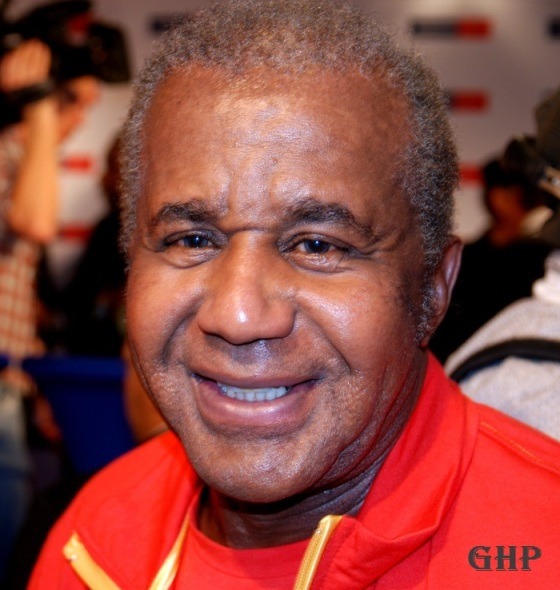
Emanuel Steward, an American boxing trainer and commentator, is widely regarded as one of the greatest boxing trainers of all time. With a net worth of $10 million, Steward’s financial success and contributions to the sport are significant. This article explores Emanuel Steward’s earnings, wealth, and the factors that contributed to his impressive financial standing.
Early Life and Beginnings
Emanuel Steward was born on July 7, 1944, in Bottom Creek, West Virginia. At the age of 12, he moved with his mother to Detroit, Michigan. In Detroit, Steward’s passion for boxing was nurtured at the Brewster Recreation Center, where legendary boxers Joe Louis and Eddie Futch trained. This environment laid the foundation for Steward’s future success in the sport.
Amateur Boxing Career
Steward had an impressive amateur boxing career, amassing a record of 94 wins and only 3 losses. In 1963, he won the national Golden Gloves tournament in the bantamweight division. Despite his success as an amateur boxer, Steward decided to transition to a career in training due to his family’s financial needs. He became an electrician to provide steady income but continued to train amateur boxers at the nearby Kronk Gym.
Professional Career and Achievements
Emanuel Steward’s professional career as a boxing trainer is marked by his exceptional ability to develop world-class fighters. He transformed the Kronk Gym in Detroit into a breeding ground for champions, earning a reputation as one of the sport’s most respected trainers.
Notable Fighters and Successes
Steward’s influence on boxing is evident in the success of the numerous fighters he trained. Some of his most notable protégés include:
Thomas Hearns: Steward trained Hearns from his early days as an amateur through his professional career, helping him become a multiple world champion in five weight classes.
Wladimir Klitschko: Under Steward’s guidance, Klitschko became one of the most dominant heavyweight champions of his era, holding multiple world titles.
Lennox Lewis: Steward played a crucial role in refining Lewis’s technique, helping him reclaim and defend the heavyweight championship.
Steward’s ability to mold raw talent into champions earned him widespread acclaim. His fighters were known for their technical skills, strategic approach, and mental toughness.
Earnings and Financial Success
Emanuel Steward’s net worth of $10 million was primarily derived from his earnings as a boxing trainer, commentator, and his association with numerous high-profile fighters. His financial success can be attributed to several factors:
Training Fees: Steward’s reputation as an elite trainer allowed him to command substantial fees for his services. Top fighters sought his expertise, willing to pay a premium for the chance to train under his guidance.
Percentage of Purses: As a trainer, Steward often received a percentage of his fighters’ purses. Given the high earnings of champions like Thomas Hearns, Wladimir Klitschko, and Lennox Lewis, these percentages translated into significant income.
Commentary and Media Work: In addition to training, Steward worked as a boxing commentator, further enhancing his earnings. His insightful analysis and deep understanding of the sport made him a valued voice in boxing broadcasts.
Historical Context and Influence
Emanuel Steward’s career must be understood within the broader context of boxing history. His rise to prominence came during a period of intense competition and evolution in the sport. Steward’s contributions to boxing are not limited to his training accomplishments; he also played a significant role in shaping modern boxing techniques and strategies.
Influence on Boxing
Steward’s influence on boxing extends beyond the fighters he trained. His strategic approach and emphasis on technical skills have been adopted by trainers worldwide. Steward’s methods, particularly his focus on balance, footwork, and defensive techniques, have become integral components of modern boxing training.
Personal Life and Legacy
Emanuel Steward remained dedicated to boxing until his death in October 2012. He continued to train fighters in Detroit, Michigan, where his legacy as a mentor and teacher lives on. Steward’s impact on the sport is commemorated through the success of his fighters and the ongoing influence of his training philosophy.
Financial Management and Future Ventures
Steward’s financial success was not only due to his earnings from training and commentary but also his prudent management of his wealth. His ability to leverage his reputation and expertise into various ventures ensured his financial stability and lasting legacy in the sport.
Conclusion
Emanuel Steward’s net worth of $10 million reflects his remarkable career in boxing. From his early days in West Virginia and Detroit to becoming one of the most respected trainers in the sport’s history, Steward’s journey is marked by dedication, resilience, and success. His earnings from training top fighters, commentary, and strategic financial management have solidified his financial standing.
For sports enthusiasts and financial analysts alike, Emanuel Steward’s career offers valuable insights into the financial opportunities available in professional boxing. His story of perseverance, mentorship, and triumph continues to inspire aspiring athletes and trainers around the world.


