
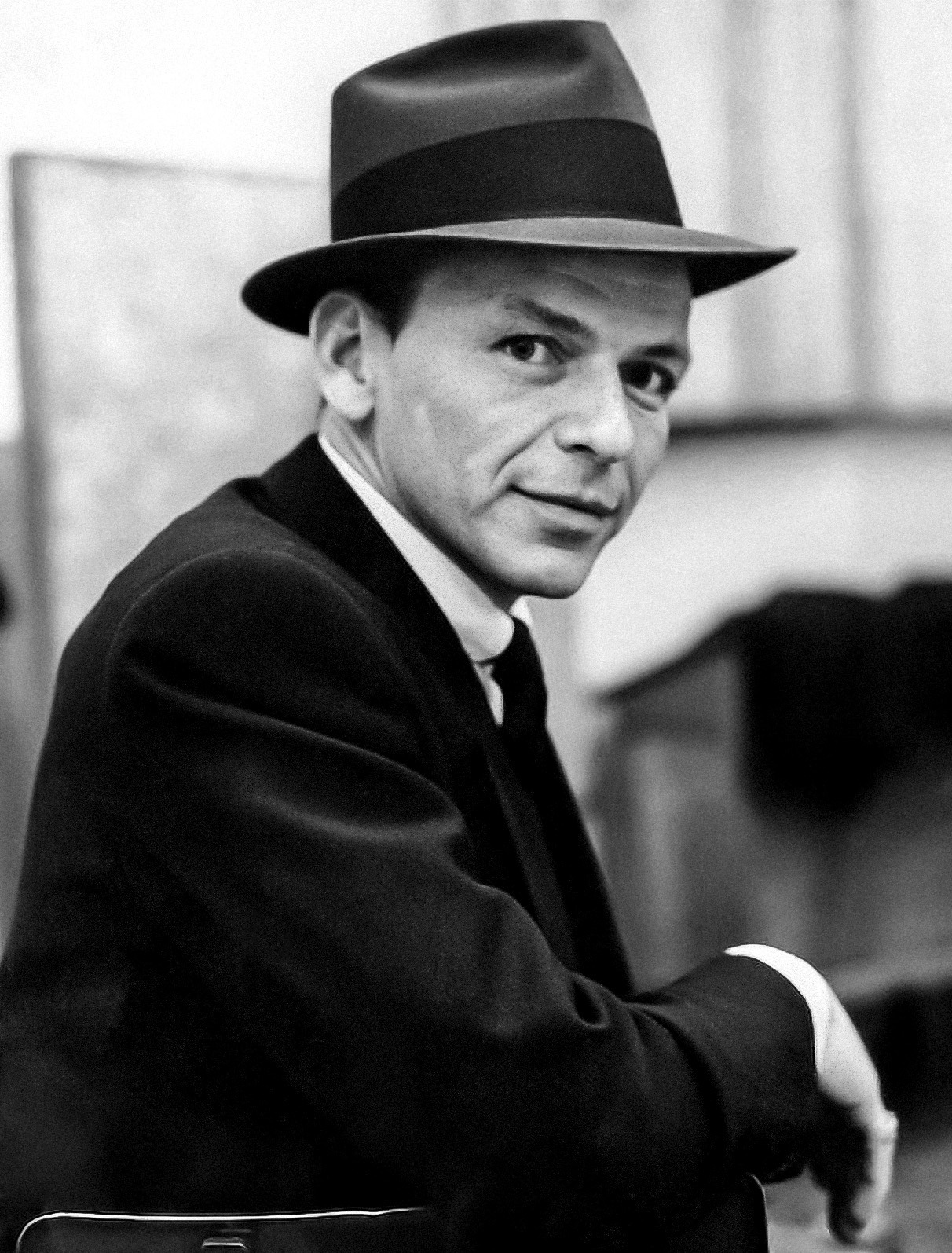
Frank Sinatra, a name that echoes through the corridors of music history, remains one of the most iconic and influential figures in American entertainment. Known for his smooth voice and charismatic presence, Sinatra’s career spanned more than five decades, earning him immense wealth and a lasting legacy. This article delves into Frank Sinatra’s earnings, net worth, and the various income streams that contributed to his financial success. By exploring his career and financial journey, we provide a comprehensive understanding of how much Frank Sinatra earned and the total value of his wealth.
Early Career and Breakthrough
Francis Albert Sinatra was born on December 12, 1915, in Hoboken, New Jersey. He began his musical career in the 1930s, initially performing with local bands before joining Harry James’s and Tommy Dorsey’s big bands. His breakthrough came in the early 1940s when he embarked on a solo career. His smooth baritone voice and magnetic stage presence quickly won him a massive following, particularly among teenage girls, earning him the nickname “The Voice.”
Music Career and Album Sales
Sinatra’s primary source of income was his music. Throughout his career, he released numerous albums that sold millions of copies worldwide. His discography includes timeless classics such as “Come Fly with Me,” “In the Wee Small Hours,” “Songs for Swingin’ Lovers!,” and “Frank Sinatra Sings for Only the Lonely.” These albums and their singles consistently topped charts, generating substantial revenue from record sales.
Sinatra’s ability to adapt to changing musical trends while maintaining a distinct style contributed to his enduring success. His collaborations with renowned arrangers like Nelson Riddle and Gordon Jenkins resulted in some of the most memorable recordings in popular music history.
Concert Tours and Performances
Concert tours and live performances were significant contributors to Sinatra’s earnings. Known for his captivating live shows, Sinatra performed at major venues around the world, including Las Vegas, where he became a staple at casinos and hotels. His residency at the Sands Hotel and Casino in the 1950s and 1960s, alongside other members of the Rat Pack, solidified his status as a leading live performer. These performances not only brought in ticket sales but also enhanced his brand and influence in the entertainment industry.
Acting Career and Film Contributions
In addition to his music career, Frank Sinatra was a successful actor. He starred in numerous films, including “From Here to Eternity,” for which he won an Academy Award for Best Supporting Actor. His other notable films include “The Man with the Golden Arm,” “The Manchurian Candidate,” “Pal Joey,” and “Guys and Dolls.” Sinatra’s film career contributed significantly to his wealth, adding another dimension to his multifaceted talents.
Sinatra’s roles in both dramatic and musical films showcased his versatility as an entertainer. His contributions to cinema not only earned him critical acclaim but also substantial financial rewards through film salaries and residuals.
Business Ventures and Investments
Beyond his music and acting career, Frank Sinatra was a shrewd businessman. He founded Reprise Records in 1960, giving him greater control over his recordings and providing an additional revenue stream. The label signed several successful artists, contributing to its financial success. Sinatra eventually sold Reprise Records to Warner Bros., which added significantly to his wealth.
Sinatra also invested in various business ventures, including real estate and entertainment establishments. His involvement in the ownership of casinos and nightclubs in Las Vegas and Palm Springs further diversified his income streams. These investments not only provided immediate financial benefits but also long-term wealth accumulation.
Real Estate Holdings
Real estate was a significant component of Frank Sinatra’s wealth. He owned multiple properties, including luxurious homes in Palm Springs, Los Angeles, and New York City. These properties not only served as residences but also appreciated in value over time, contributing to his overall net worth. Sinatra’s real estate investments reflected his understanding of the importance of diversifying assets to ensure financial stability and growth.
Net Worth and Annual Earnings
At the time of his death in 1998, Frank Sinatra’s net worth was estimated to be around $200 million. His annual earnings fluctuated based on his activities, including music releases, tours, film roles, and business ventures. The extensive catalog of hits he created ensured a steady flow of royalties, contributing significantly to his wealth. Additionally, his investments in real estate and business ventures provided substantial financial returns.
Historical Context and Nuances
Frank Sinatra’s financial success is a testament to his talent, hard work, and strategic decisions. His wealth accumulation reflects broader trends in the entertainment industry, where diversified income streams are crucial for sustained financial success. Sinatra’s ability to navigate and thrive in multiple facets of the entertainment business highlights the potential for significant financial achievement in the modern entertainment landscape.
His success underscores the importance of adaptability and versatility in sustaining a long and prosperous career. Sinatra’s ability to excel as a singer, actor, and businessman demonstrates the multifaceted nature of wealth generation in the industry. Additionally, his strategic investments further exemplify how diversification can lead to substantial wealth.
The Impact of Digital Streaming
In the digital age, streaming platforms like Spotify, Apple Music, and YouTube have revolutionized the way music is consumed. Frank Sinatra’s music continues to be popular on these platforms, contributing to his posthumous earnings through digital royalties. The enduring popularity of his songs ensures that they are streamed millions of times, generating revenue and keeping his work relevant in today’s music landscape. Digital streaming has introduced Sinatra’s music to new generations, ensuring its continued financial viability.
Conclusion
Frank Sinatra’s earnings and net worth are the results of a multifaceted career that spans music, acting, business ventures, and strategic investments. With an estimated net worth of $200 million at the time of his death, he remains one of the wealthiest and most influential figures in the entertainment industry. His continued posthumous success across various fields ensures that his legacy and wealth will likely continue to grow.
For those looking to understand the financial landscape of the entertainment industry, Frank Sinatra’s career provides valuable insights into how diverse income streams and strategic decisions can lead to immense wealth. His story is not only one of musical and cinematic brilliance but also of astute financial management and strategic growth. Sinatra’s ability to create enduring art and maintain a successful brand underscores the timeless value of true artistry.


