
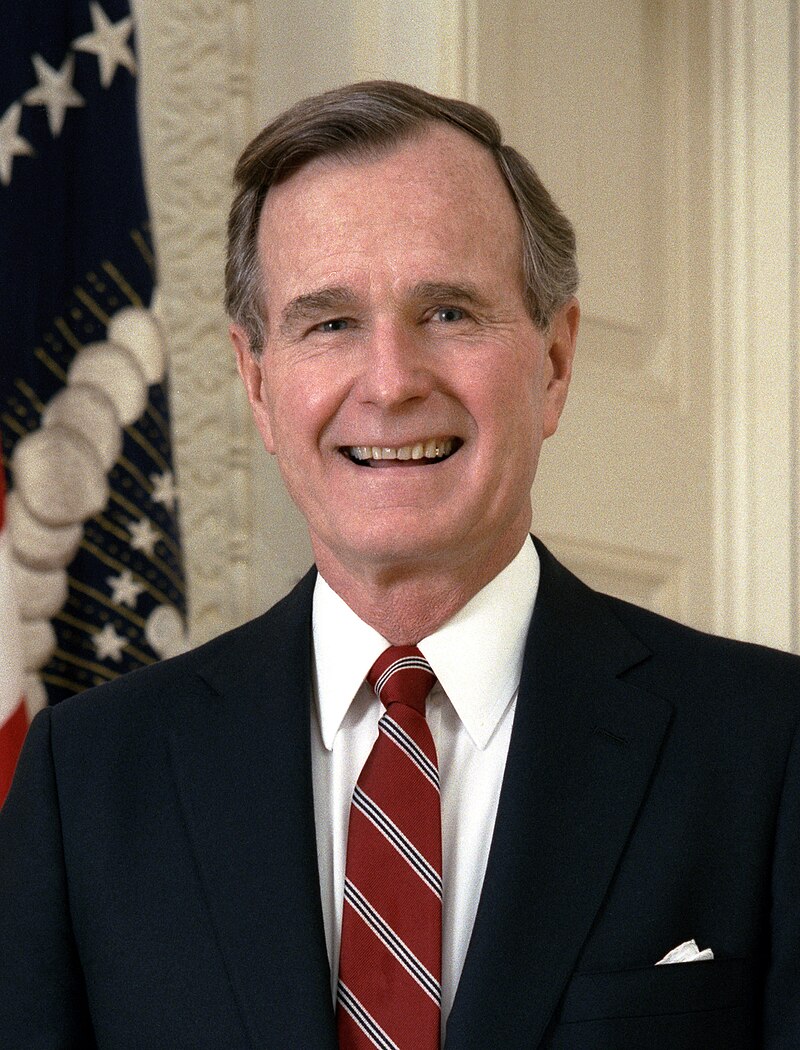
George H.W. Bush, the 41st President of the United States, left a lasting legacy marked by his extensive political career, international diplomacy, and personal resilience. His financial standing, shaped by decades of public service, private investments, and his family’s wealth, provides a comprehensive view of his life and contributions. This article delves into the earnings, wealth, and historical context of George H.W. Bush, offering detailed insights into his financial journey.
George H.W. Bush’s Net Worth
George H.W. Bush had a net worth of $25 million at the time of his death in 2018. His wealth was accumulated through his political career, business ventures, and family inheritance. Let’s explore the sources of his income and wealth in detail.
Political Career and Earnings
George H.W. Bush’s political career was extensive and distinguished, spanning several decades and various high-profile positions:
Navy Pilot: Bush’s early life included service as a Navy pilot during World War II. He was shot down over the Pacific and survived, an experience that instilled in him a strong sense of duty and resilience.
U.S. Congressman: Bush served as a U.S. Congressman, representing Texas’s 7th congressional district from 1967 to 1971. The salary for U.S. Congress members during his tenure provided a solid financial base.
Ambassador to the United Nations: In 1971, President Nixon appointed Bush as the U.S. Ambassador to the United Nations, further solidifying his reputation in international diplomacy.
Director of Central Intelligence: Bush served as the Director of the Central Intelligence Agency (CIA) from 1976 to 1977, overseeing the agency during a tumultuous period.
Vice President: From 1981 to 1989, Bush served as Vice President under Ronald Reagan. This role came with a significant salary and various perks.
President of the United States: As the 41st President, serving from 1989 to 1993, Bush earned a substantial salary. The presidential salary during his tenure was approximately $200,000 per year, along with numerous benefits including housing, transportation, and security.
Investments and Business Ventures
Beyond his political career, Bush’s wealth was bolstered by various investments and business ventures:
Oil Industry: After graduating from Yale, Bush moved to West Texas and launched a successful career in the oil business. By the age of 40, he had become a millionaire, thanks to his ventures in the oil sector.
Real Estate: Bush invested in real estate, owning properties in Texas and other states. Real estate investments provided a steady income and significant returns over the years.
Speaking Engagements and Advisory Roles: Post-presidency, Bush delivered numerous speeches and served as an advisor to private equity firm The Carlyle Group. These roles provided substantial additional income.
Historical Context and Contributions
George H.W. Bush’s wealth and earnings are intricately linked to his contributions to American and global politics:
End of the Cold War: Bush’s presidency was marked by significant international events, including the peaceful end of the Cold War, the reunification of Germany, and the dissolution of the Soviet Union.
Gulf War: Bush successfully led the coalition effort to liberate Kuwait from Iraq during the Gulf War, showcasing his leadership in international diplomacy.
Domestic Policies: Domestically, Bush signed the Americans with Disabilities Act of 1990 and initiated efforts to address various social issues through voluntary service.
Nuances and Considerations
Understanding George H.W. Bush’s wealth involves considering the broader nuances and historical context of his life and career:
Family Wealth: Born into a prominent family, Bush’s early life was marked by privilege. His father, Prescott Bush, was a successful investment banker and U.S. Senator, providing a strong financial foundation.
Philanthropy and Humanitarian Efforts: Post-presidency, Bush engaged in various humanitarian efforts, often collaborating with other former presidents. His commitment to service and philanthropy was a defining aspect of his later years.
Health Challenges: In his final years, Bush faced health challenges, including Parkinson’s disease, which limited his mobility but did not diminish his public presence and influence.
Legacy and Impact
George H.W. Bush’s legacy is multifaceted, encompassing his political achievements, personal resilience, and financial acumen. His net worth of $25 million reflects a lifetime of service, strategic investments, and family inheritance. His contributions to international diplomacy, domestic policies, and humanitarian efforts continue to inspire and shape the nation’s history.
Bush’s story is one of dedication, resilience, and leadership. From his early days as a Navy pilot to his presidency and beyond, his financial journey mirrors his commitment to public service and his ability to navigate the complexities of both politics and business. His legacy, marked by significant achievements and a lasting impact, remains a testament to his enduring influence on American and global affairs.


