
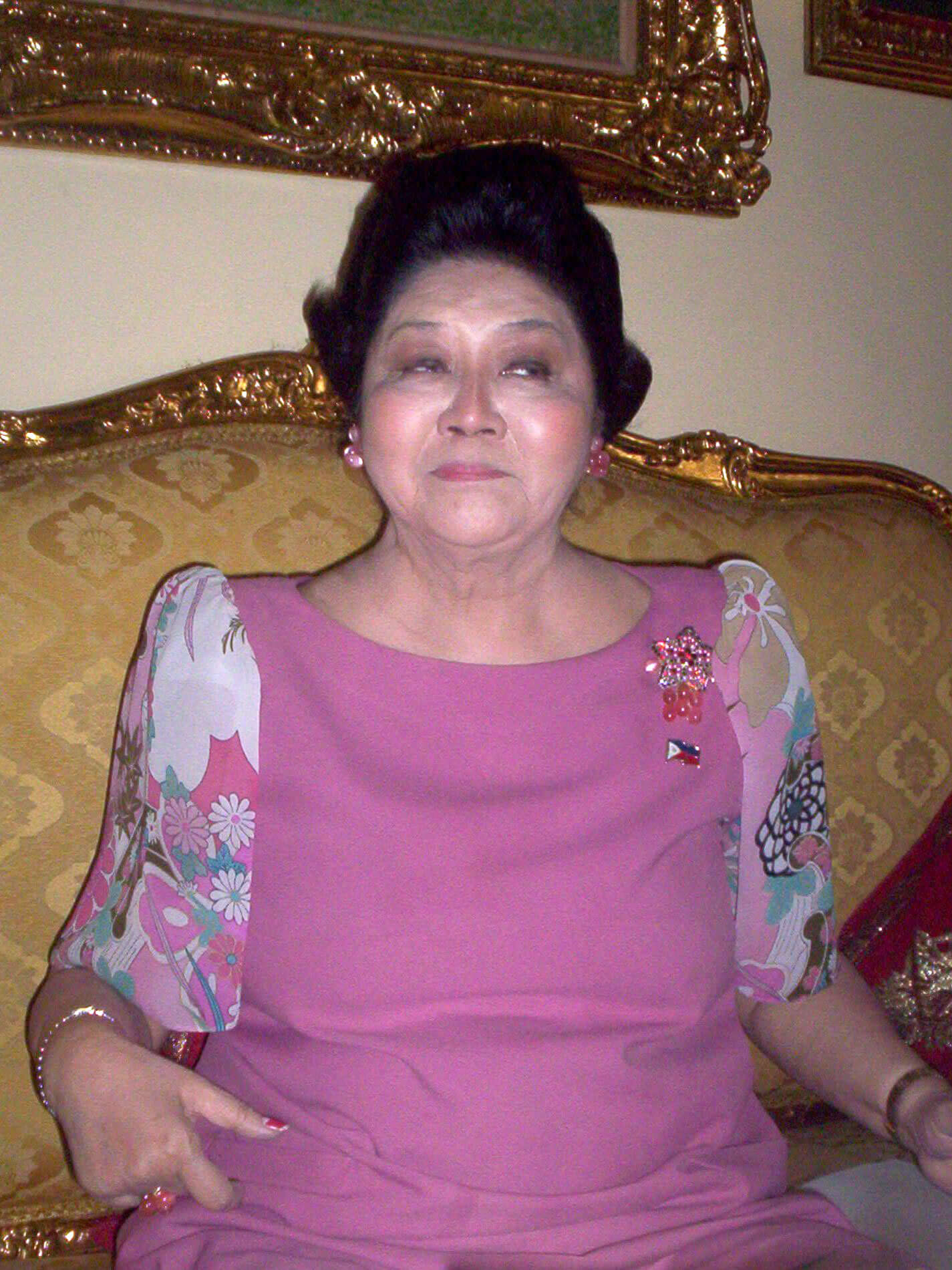
Imelda Marcos, a Filipino politician and ambassador, is infamous for her wealth, accumulated during her husband Ferdinand Marcos’s presidency. With a peak net worth estimated at $5 billion, Imelda Marcos’s financial story is intertwined with the political history of the Philippines. This article explores Imelda Marcos’s earnings, wealth, and the various factors contributing to her financial status, providing a comprehensive overview of her career and its impact.
Early Life and Background
Imelda Remedios Visitacion Trinidad Romualdez, better known as Imelda Marcos, was born on July 2, 1929, in San Miguel, Manila. She was the sixth of eleven children in a prominent political family. Her father, Vicente Orestes Romualdez, was a lawyer, and her mother, Remedios Trinidad, came from a family with political connections. Initially, the Romualdez family enjoyed a comfortable lifestyle, but financial difficulties during Imelda’s childhood led them to move to Tacloban for a simpler life.
Imelda attended Holy Infant Academy and later graduated from Leyte Progressive High School. She continued her education at St. Paul’s College and the College of Music and Fine Arts at Philippine Women’s University in Manila, where she pursued her interests in music and the arts.
Marriage to Ferdinand Marcos and Political Rise
Imelda Marcos’s life changed dramatically when she met Ferdinand Marcos in 1954 during a budget hearing at the Philippine Congress. Ferdinand, who was then a rising political figure, was immediately captivated by Imelda’s beauty and charm. After a whirlwind courtship, they married later that year.
Ferdinand Marcos’s political career flourished, and in 1965, he was elected President of the Philippines. Imelda became the First Lady and quickly rose to prominence. Her beauty and charisma made her an asset to Ferdinand’s political campaigns, and she played a significant role in garnering support from various sectors of society.
Accumulation of Wealth and Extravagance
During Ferdinand Marcos’s 21-year presidency, the Marcos family amassed a staggering fortune. Imelda Marcos became notorious for her extravagant lifestyle, which stood in stark contrast to the poverty experienced by many Filipinos. She was often seen wearing lavish designer dresses, expensive jewelry, and was particularly famous for her collection of over 3,000 pairs of designer shoes.
Real Estate and Art Collection
Imelda Marcos used her position and influence to acquire numerous properties and a vast art collection. The Marcos family owned luxury homes and apartments in New York, London, and Rome, among other locations. Imelda’s taste for high-end art led her to amass a significant collection, including works by renowned artists such as Michelangelo and Picasso.
Allegations of Corruption
The source of the Marcos family’s wealth has been a subject of controversy and legal battles. It is widely believed that much of their fortune was accumulated through embezzlement and corruption. The Marcos regime was accused of looting billions of dollars from the Philippine government, leading to severe economic decline and massive national debt.
In 1986, the People Power Revolution, fueled by widespread discontent with the Marcos dictatorship, forced the family into exile in Hawaii. After Ferdinand’s death in 1989, Imelda and her children returned to the Philippines in 1991 to face various charges of corruption. Despite numerous legal challenges, Imelda managed to evade significant punishment and continued to live a life of luxury.
Political Career and Influence
Even after the fall of the Marcos regime, Imelda Marcos remained an influential figure in Philippine politics. She ran for president in the 1992 and 1998 elections but was unsuccessful. However, she managed to secure a seat in the Philippine House of Representatives, serving from 2010 to 2019. Her political career underscored her enduring influence and the complex legacy of the Marcos family in the Philippines.
Legal Battles and Controversies
Imelda Marcos has faced numerous legal battles over the years. In 2018, she was convicted on seven counts of corruption charges related to her time as First Lady. She was sentenced to imprisonment but was released on bail pending appeal. Her legal team has argued for leniency based on her advanced age and health issues.
Missing Picasso and Art Scandals
One of the more sensational controversies involving Imelda Marcos is the case of the missing Picasso painting, “Le Bassin aux Nymphéas,” reported stolen from a Saudi Arabian businessman’s collection. In 2022, a photograph surfaced on social media showing a woman resembling Imelda Marcos sitting next to a painting believed to be the missing Picasso. This incident reignited interest in the Marcos family’s art collection and their alleged involvement in art theft.
Personal Life and Family
Imelda Marcos had four children with Ferdinand Marcos: Imee, Bongbong, Irene, and Aimee. Her son Bongbong Marcos announced his candidacy for the 2022 presidential election and won by a landslide, indicating the enduring influence of the Marcos family in Philippine politics.
Imelda’s personal life has been marked by both opulence and controversy. Despite the legal challenges and public scrutiny, she has maintained a prominent social presence and continues to be a polarizing figure in the Philippines.
Legacy and Impact
Imelda Marcos’s legacy is complex and multifaceted. She is remembered both for her extravagant lifestyle and the significant political influence she wielded during her husband’s presidency. Her story is a stark reminder of the impact of corruption and the disparities between the elite and the impoverished masses.
Despite the controversies, Imelda Marcos’s ability to maintain her wealth and influence demonstrates her resilience and the intricate dynamics of power in the Philippines. Her life and career continue to be subjects of fascination and debate, reflecting the broader issues of governance, wealth distribution, and justice in the country.
Conclusion
Imelda Marcos’s earnings and wealth are a testament to her significant political influence and controversial methods of wealth accumulation. From her role as First Lady to her continued presence in Philippine politics, her impact on the country’s history is undeniable. As she navigates legal battles and maintains her lifestyle, Imelda Marcos remains a prominent and contentious figure, embodying the complexities of power and wealth in the Philippines.


