
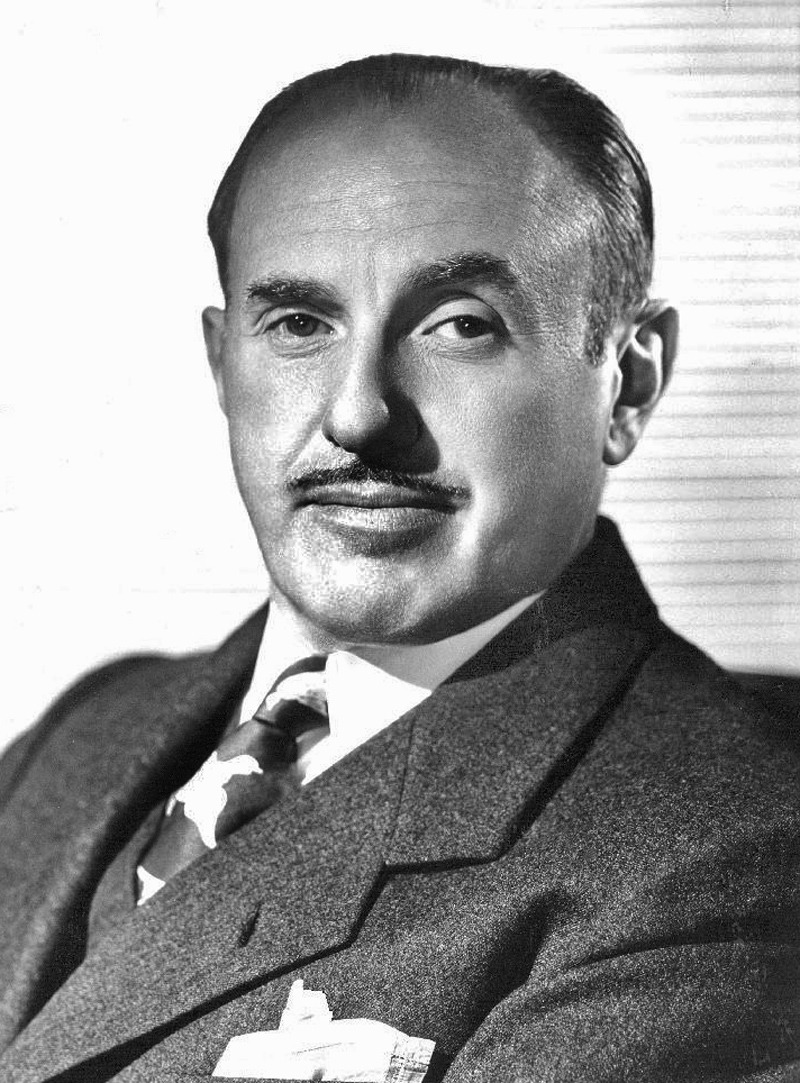
Jack Warner, a pioneering figure in Hollywood’s golden age, was a Canadian American film executive who left an indelible mark on the film industry. At the time of his death in 1978, Jack Warner’s net worth was estimated to be $300 million, adjusted for inflation. He is best known for his role as the president of Warner Bros. Studios, where he played a crucial role in shaping the trajectory of American cinema.
Early Life and Career Beginnings
Jack Warner was born on August 2, 1892, in London, Ontario, Canada. He was one of the Warner brothers who would go on to establish Warner Bros. Studios, a cornerstone of the American film industry. The Warner family moved to Youngstown, Ohio, where they started their journey in the entertainment business by running a small movie theater. This early exposure to the film industry laid the foundation for their future successes.
Formation of Warner Bros. Studios
In 1923, Jack, along with his brothers Harry, Albert, and Sam Warner, founded Warner Bros. Studios. Initially, the studio struggled, but the brothers’ innovative spirit and determination eventually paid off. Warner Bros. made history in 1927 with the release of “The Jazz Singer,” the first feature-length film to include synchronized dialogue, revolutionizing the film industry. This technological breakthrough marked the beginning of the “talkies” era, transforming Warner Bros. into a major Hollywood player.
Leadership and Success
Jack Warner served as the co-head of production for Warner Bros. Studios in Burbank, California. Following the untimely death of his brother Sam, Jack took on a more prominent role, often clashing with his other brothers, Harry and Albert. In a controversial move, Jack secretly bought out his brothers’ shares in the company, consolidating his control over Warner Bros.
Under Jack’s leadership, Warner Bros. produced a string of successful films, including classics like “Casablanca” (1942), “Yankee Doodle Dandy” (1942), and “My Fair Lady” (1964), which won an Academy Award for Best Picture. Warner’s ability to identify and produce high-quality, commercially successful films established Warner Bros. as one of the leading studios in Hollywood.
Contradictory and Enigmatic Figure
Jack Warner was known for his contradictory and enigmatic personality. A staunch Republican, Warner nonetheless supported films that promoted Democratic President Franklin D. Roosevelt’s New Deal. His political and business decisions often reflected a pragmatic approach, prioritizing the studio’s success over personal ideology.
Wealth and Real Estate
Jack Warner’s wealth was not only derived from his success in the film industry but also from strategic real estate investments. In 1937, he purchased a 10-acre property in Beverly Hills, where he built a lavish 13,000-square-foot mansion complete with pools, a tennis court, and a 9-hole golf course. This property, known as the Jack Warner Estate, became one of the most iconic residences in Beverly Hills.
Following his death, Warner’s widow Ann lived on the estate until her passing in 1990. The property was subsequently acquired by music producer David Geffen for $47.5 million, which was the most expensive real estate transaction in U.S. history at that time. In February 2020, David Geffen sold the estate to Amazon founder Jeff Bezos for $165 million, setting a new record for the most expensive property sale in California history.
Sale of Warner Bros. Shares
In 1966, at the urging of his wife Ann, who wanted him to slow down and retire, Jack Warner sold his 1.6 million shares in Warner Bros. to Seven Arts Productions for $24 million. Adjusted for inflation, this amount is equivalent to approximately $190 million today. This sale marked the end of Warner’s direct involvement with the studio he helped build, but his legacy in the film industry continued to influence future generations.
Historical Context and Industry Influence
Jack Warner’s contributions to the film industry cannot be overstated. His tenure at Warner Bros. coincided with significant changes in the entertainment landscape, including the transition from silent films to talkies, the Golden Age of Hollywood, and the rise of television. Warner’s foresight and willingness to embrace new technologies and storytelling techniques helped Warner Bros. navigate these shifts successfully.
Warner’s ability to produce films that resonated with audiences and his knack for identifying and nurturing talent played a critical role in the studio’s sustained success. His influence extended beyond the studio lot, as Warner Bros. films often reflected and shaped societal attitudes and cultural trends.
Legacy and Impact
Jack Warner’s legacy is reflected in the enduring success of Warner Bros. Studios, which continues to be a major force in the entertainment industry. His contributions to the development of synchronized sound in film, his leadership during Hollywood’s formative years, and his strategic business decisions have left a lasting impact.
Warner’s life and career have been documented and analyzed extensively, highlighting both his achievements and the controversies that marked his tenure. His complex personality, characterized by both visionary leadership and ruthless business practices, makes him one of the most intriguing figures in Hollywood history.
Conclusion
Jack Warner’s net worth of $300 million at the time of his death is a testament to his remarkable career and enduring influence in the film industry. From the early days of Warner Bros. to the technological breakthrough of “The Jazz Singer” and the studio’s golden years, Warner’s contributions have shaped the landscape of American cinema. His legacy continues to inspire filmmakers and industry leaders, cementing his place as a pivotal figure in the history of Hollywood.


