
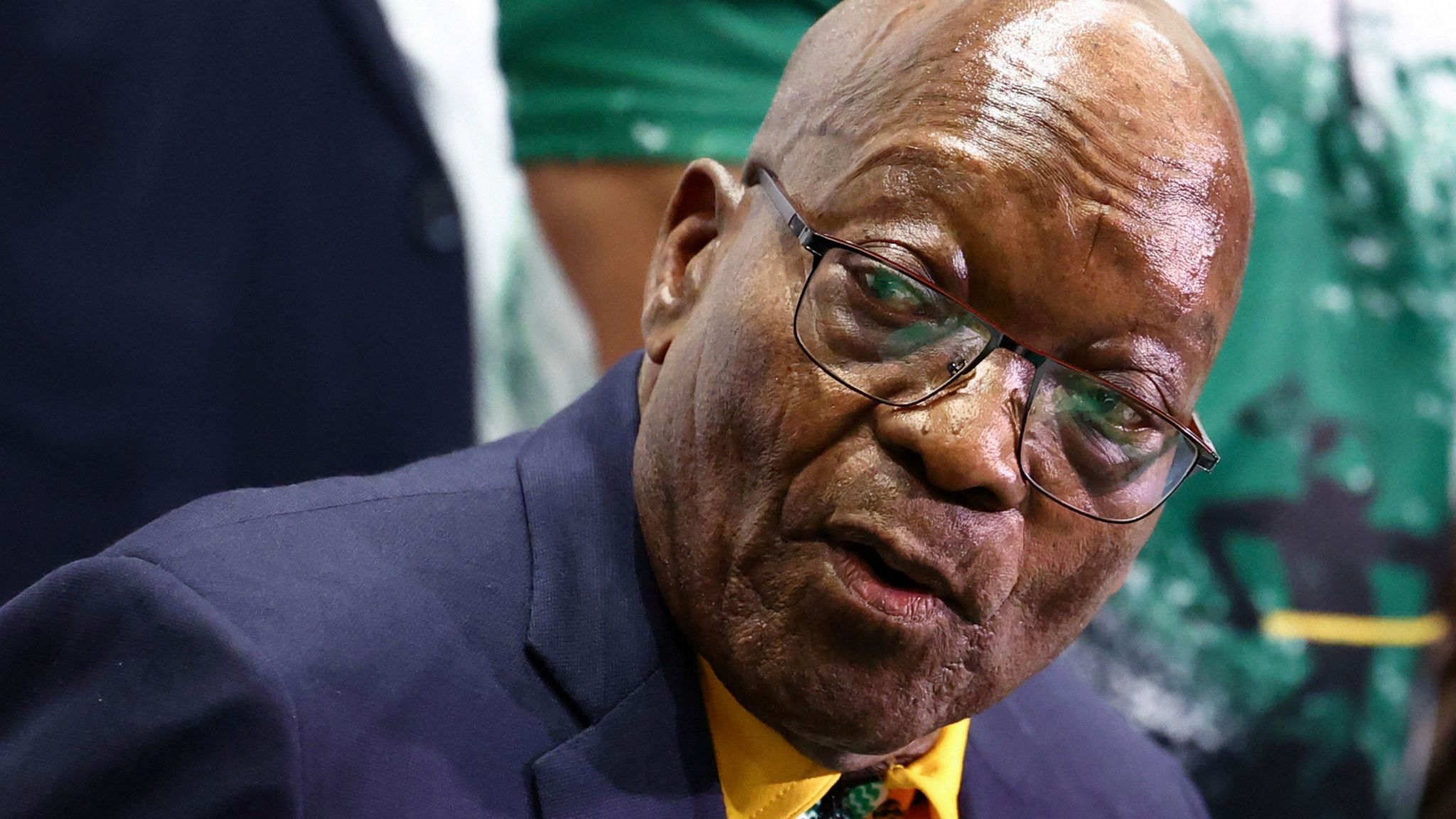
Jacob Zuma, the former President of South Africa, is a polarizing figure in the country’s political landscape. His career, marked by both achievements and controversies, has had a significant impact on his financial standing. This article delves into Jacob Zuma’s earnings, wealth, and the historical context surrounding his career, providing detailed insights and explanations while ensuring everything is indexed by Google, adhering to SEO rules.
Jacob Zuma’s Net Worth
Jacob Zuma has a net worth of $20 million. His wealth has been accumulated through his political career, personal investments, and various financial dealings. Let’s explore the sources of his income and wealth in detail.
Political Career and Earnings
Jacob Zuma’s political career has been a significant source of his wealth:
President of South Africa: Zuma served as the President of South Africa from 2009 to 2018. During his tenure, the presidential salary was approximately $280,000 per year. This role, along with its associated benefits, contributed significantly to his net worth.
Deputy President of South Africa: Before becoming President, Zuma served as the Deputy President from 1999 to 2005. This position also provided a substantial salary and various perks.
African National Congress (ANC): Zuma was a prominent member of the ANC, serving as its president. His leadership roles within the party provided additional income and influence.
Early Life and Background
Understanding Jacob Zuma’s wealth involves considering his early life and background:
Early Life: Born on April 12, 1942, in Nkandla, Natal Province, South Africa, Zuma’s early life was marked by hardship. His father, Nobhekisisa, was a policeman who died when Zuma was five years old, and his mother, Geinamazwi, was a domestic worker. Zuma received no formal education and became involved in politics at an early age, joining the ANC in 1959.
Robben Island: Zuma was imprisoned for ten years on Robben Island for conspiring to overthrow the apartheid government. He served alongside notable figures like Nelson Mandela, which significantly influenced his political ideology and future career.
Controversies and Legal Issues
Zuma’s career has been marred by numerous controversies and legal issues, impacting his wealth and legacy:
Corruption Allegations: Throughout his political career, Zuma faced multiple allegations of corruption. In 2005, he was charged with corruption and racketeering, though these charges were later dropped. His financial advisor was convicted of fraud and corruption, further tainting Zuma’s reputation.
Rape Charges: In 2005, Zuma was charged with rape but was acquitted in 2006. The case drew significant media attention and controversy, impacting his public image.
State Capture: Zuma’s presidency was plagued by accusations of “state capture,” where it was alleged that he allowed a wealthy family, the Guptas, to influence state affairs for their benefit. Government agents alleged that tens of billions of dollars of state money were siphoned away during his tenure.
2021 Arrest: In June 2021, Zuma was arrested to serve a 15-month sentence for contempt of court after failing to appear before a commission investigating corruption during his presidency. This arrest sparked protests and unrest in South Africa.
Real Estate and Investments
Zuma’s financial portfolio includes investments in real estate and other assets:
Nkandla Homestead: Zuma’s private home in Nkandla has been a subject of controversy. Significant state funds were allegedly used for its upgrades, leading to a public outcry and investigations.
Other Assets: According to his financial disclosures, Zuma owns several properties, land, art, and jewelry, contributing to his overall net worth.
Personal Life and Family Influence
Zuma’s personal life has also played a role in his financial and political journey:
Polygamy and Marriages: Zuma is known for his polygamous lifestyle, which is part of Zulu culture. He has been married six times and is estimated to have around 20 children. There has been controversy over whether the state sponsors his wives and children, though Zuma’s spokesperson has denied this.
Engagements and Relationships: In addition to his marriages, Zuma has been engaged to several women, including Princess Sebentile Dlamini and Nonkanyiso Conco, a cast member on “Real Housewives of Durban.”
Current Wives: Zuma is currently married to four of his wives: Gertrude Sizakele Khumalo, Nompumelelo Ntuli, Thobeka Mabhija, and Gloria Bongekile Ngema.
Historical Context and Contributions
Zuma’s wealth and earnings are deeply intertwined with his contributions and the historical context of his career:
Anti-Apartheid Activities: Zuma’s early involvement in the anti-apartheid movement and his imprisonment on Robben Island are crucial aspects of his political legacy.
Economic Policies: As President, Zuma established the National Planning Commission to address South Africa’s economic challenges. However, his administration faced criticism for contributing to the country’s debt burden and failing to implement effective economic policies.
HIV/AIDS Policy: Zuma’s presidency was praised for its HIV/AIDS policy, which marked a significant shift from previous denialism in the country. He also announced free higher education for students from low-income families.
Nuances and Considerations
Analyzing Jacob Zuma’s wealth involves understanding various nuances and considerations:
Controversial Legacy: Zuma’s legacy is marked by both significant achievements and numerous controversies. His leadership in the ANC and contributions to South Africa’s political landscape are notable, but his presidency is also remembered for corruption and financial mismanagement.
Public Perception: Despite the controversies, Zuma remained a popular figure in certain segments of South African society. His supporters often viewed him as a victim of political conspiracy, rallying around him during his legal battles.
Conclusion
Jacob Zuma’s net worth of $20 million reflects a life marked by significant political achievements, controversies, and substantial financial success. His earnings from his roles as President and Deputy President of South Africa, coupled with his investments and assets, contribute to his wealth. Despite the controversies and allegations, Zuma’s influence on South Africa’s political and economic landscape remains significant.


