
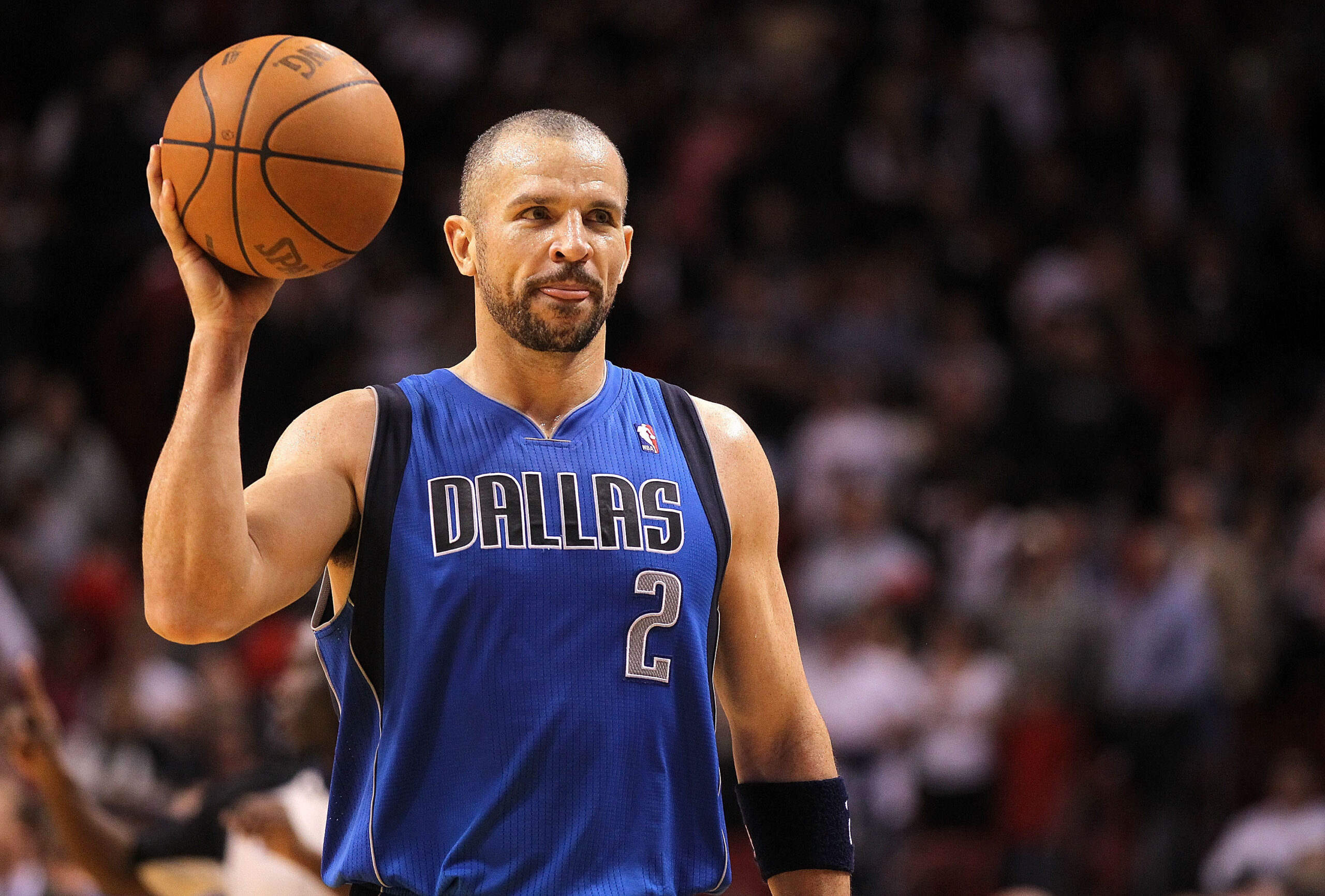
Jason Kidd, an iconic figure in the world of basketball, has had a remarkable career both as a player and a coach. His journey through the NBA, coupled with smart financial decisions, has led to substantial wealth accumulation. This article delves into the details of Jason Kidd’s earnings, net worth, and the various elements contributing to his financial success.
Jason Kidd’s Net Worth and Salary
As of now, Jason Kidd’s net worth is estimated to be around $85 million. Kidd’s wealth has been amassed through his successful NBA career, both as a player and a coach. His earnings include substantial salaries from playing, lucrative coaching contracts, and various endorsements.
Early Life and Background
Jason Frederick Kidd was born on March 23, 1973, in San Francisco, California. Raised in an affluent area of Oakland, Kidd showed an early aptitude for basketball. He was scouted for Amateur Athletic Union teams and tournaments, demonstrating his talent at a young age. Kidd attended St. Joseph Notre Dame High School in Alameda, where he led his team to consecutive state championships and won the Naismith Award in his senior year.
College Career
Kidd attended the University of California, Berkeley, where he quickly made an impact. As a freshman, he earned Freshman of the Year honors and was selected for the All-Pac-10 team. Kidd’s standout performances helped the Golden Bears reach the NCAA Tournament, where they upset Duke. In his sophomore year, Kidd became the first sophomore to earn Pac-10 Player of the Year honors. He led his team to another NCAA Tournament appearance, though they were eliminated in the first round by Green Bay.
NBA Playing Career
Dallas Mavericks
Jason Kidd was selected second overall by the Dallas Mavericks in the 1994 NBA Draft. He had an impressive debut season, sharing Rookie of the Year honors with Grant Hill. However, Kidd’s early years with the Mavericks were marked by conflicts with coaches and teammates, leading to his trade to the Phoenix Suns during the 1996-97 season.
Phoenix Suns
Kidd thrived with the Phoenix Suns, particularly during the 1998-99 season, when he averaged career highs in points, rebounds, and steals. Despite an injury setback, he helped the Suns advance to the playoffs multiple times. His tenure with the Suns solidified his reputation as one of the league’s top point guards.
New Jersey Nets
In 2001, Kidd was traded to the New Jersey Nets, where he had a significant impact. He led the Nets to their first 50-win season and their first NBA Finals appearance, though they lost to the Los Angeles Lakers. The following season, Kidd led the Nets to another NBA Finals, where they were defeated by the San Antonio Spurs. During his time with the Nets, Kidd consistently led the team to the playoffs and achieved numerous individual accolades.
Return to Dallas Mavericks
Kidd returned to the Mavericks in 2008, helping the team reach the playoffs in each of his seasons through 2012. In 2011, he played a crucial role in leading the Mavericks to an NBA championship victory over the Miami Heat. Kidd’s leadership and experience were vital to the team’s success.
New York Knicks
Kidd spent his final NBA season with the New York Knicks in 2012-13, leading them to their first 50-win season since 1999-2000. The Knicks reached the playoffs but were eliminated by the Indiana Pacers. Kidd retired after the season, capping off a stellar playing career.
National Team Career
Jason Kidd also had a successful career with the US men’s national basketball team. He won gold medals at the 2000 and 2008 Summer Olympics and at the FIBA Americas Championships in 1999, 2003, and 2007. Kidd’s international success further enhanced his reputation as a top-tier basketball player.
Coaching Career
Brooklyn Nets
Shortly after retiring as a player, Kidd became the head coach of the Brooklyn Nets in 2013. His tenure started with challenges, including a suspension for a misdemeanor DWI. However, Kidd turned things around, leading the Nets to the playoffs and earning two Eastern Conference Coach of the Month honors.
Milwaukee Bucks
In 2014, Kidd became the head coach for the Milwaukee Bucks. He led the Bucks to the playoffs in his first season but faced a disappointing 2015-16 season. Kidd guided the team to the playoffs again in 2016-17 but was fired after a poor performance in the 2017-18 season.
Los Angeles Lakers and Dallas Mavericks
In 2019, Kidd joined the Los Angeles Lakers as an assistant coach. The Lakers won the NBA championship in 2020. In the summer of 2021, Kidd returned to the Dallas Mavericks as the head coach. He transformed the team’s defense, leading them to their first two playoff series victories since 2011.
Real Estate Investments
Jason Kidd has made significant real estate investments over the years. In 2001, he purchased a 12,000-square-foot mansion in Saddle River, New Jersey, for $2.75 million, which he sold in 2013 for $3.4 million. In 2009, Kidd bought a 13,000-square-foot mansion in Paradise Valley, Arizona, for just under $6 million, which he sold for $5 million a few years later. He also bought a mansion in the Hamptons for $5 million in 2012 and sold it for $7.1 million in 2015. Additionally, Kidd owned a condo in New York City, which he sold in 2018 for $4.8 million.
Personal Life
Jason Kidd has had a complex personal life. He married actress and journalist Joumana in 1997, but the couple divorced in 2007 after Kidd was arrested for physically abusing her. He later married former model Porschla Coleman in 2011. Kidd has a total of six children from his two marriages.
Conclusion
Jason Kidd’s journey from a promising high school athlete to an NBA superstar and successful coach is a testament to his talent, dedication, and resilience. With a net worth of $85 million, Kidd’s earnings reflect his achievements on the court and his financial acumen. His lucrative NBA contracts, endorsement deals, and real estate investments have all contributed to his substantial wealth.
Kidd’s legacy in basketball is secure, and his financial future looks bright. His story serves as an inspiration, demonstrating how skill, hard work, and strategic decisions can lead to remarkable success both on and off the court.


