
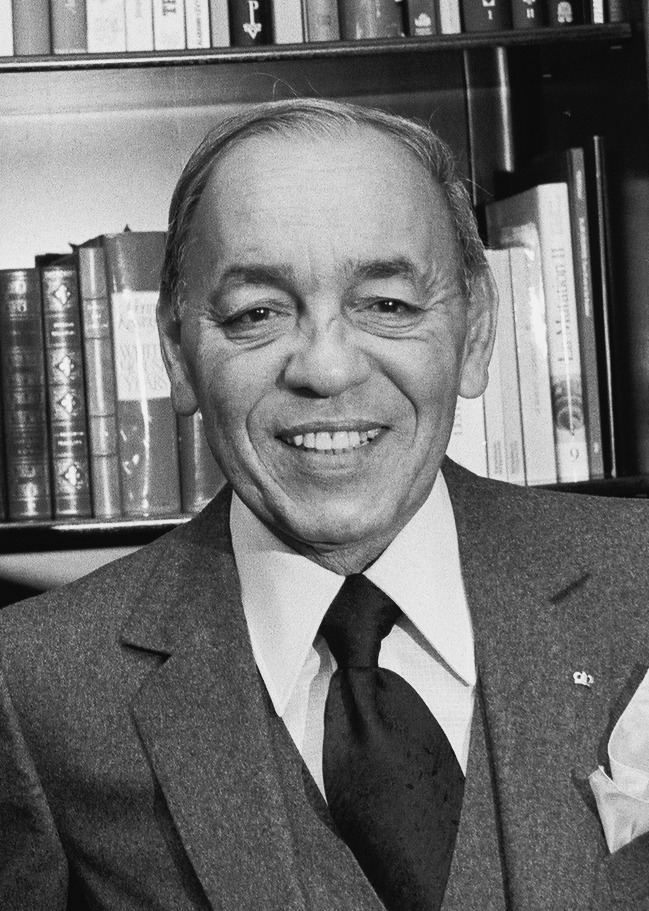
King Hassan II of Morocco, who reigned from 1961 until his death in 1999, was a significant figure in both Moroccan and international politics. His rule was marked by economic development, political repression, and strategic diplomatic relations. The financial status of King Hassan II has been a topic of intrigue, with various reports suggesting substantial wealth accumulated through different means. This article delves into the earnings and wealth of King Hassan II, providing detailed insights, historical context, and broader implications.
Background and Rise to Power
Hassan II was born on July 9, 1929, in Rabat, Morocco. He was the eldest son of Sultan Mohammed V, a prominent leader in the fight for Moroccan independence from French colonial rule. Hassan II received his education in Morocco and France, preparing him for leadership.
Upon his father’s death in 1961, Hassan II ascended to the throne, becoming King of Morocco. His reign was characterized by efforts to modernize the country, economic reforms, and maintaining stability amidst regional and internal challenges. He navigated Morocco through the complexities of Cold War politics, positioning the nation as a moderate Arab state aligned with Western interests.
Sources of Wealth
King Hassan II’s wealth was derived from multiple sources, primarily linked to his control over state resources, business ventures, and investments. The primary sources of his wealth include:
Control Over State Resources: As the monarch, Hassan II had significant control over Morocco’s state resources, including its valuable phosphate mines, agricultural land, and fisheries. The revenues from these resources were substantial and provided a steady flow of income to the royal family.
Business Ventures and Investments: The Moroccan royal family has long been involved in various business ventures. Hassan II and his family had investments in numerous sectors, including banking, real estate, telecommunications, and tourism. These business interests provided additional streams of income and contributed significantly to the family’s wealth.
Foreign Aid and Diplomatic Relations: Morocco received substantial foreign aid, particularly from the United States and European countries, due to its strategic importance during the Cold War and its role in the Arab-Israeli peace process. While this aid was primarily for national development, it also bolstered the kingdom’s overall financial stability.
Real Estate Holdings: The royal family owned extensive real estate holdings both within Morocco and internationally. These properties, including palaces, estates, and luxury residences, added considerable value to Hassan II’s net worth.
Earnings and Annual Income
Estimating King Hassan II’s annual earnings involves considering his control over state resources, business profits, and investments. Given his significant influence over Morocco’s economy, his annual income was likely substantial. The revenues from state-controlled industries, such as phosphates and agriculture, were key contributors to his earnings.
In addition to state resources, Hassan II’s business ventures and investments generated significant income. The royal family’s diversified portfolio, including banking and real estate, provided a steady stream of revenue. Combining these sources, it is reasonable to estimate that Hassan II’s annual income ranged from tens to hundreds of millions of dollars.
Net Worth
As of the latest estimates, King Hassan II’s net worth at the time of his death in 1999 was believed to be around $1 billion. This figure includes his various assets, control over state resources, and investments. The exact details of his wealth are difficult to ascertain due to the secretive nature of royal finances and the complexity of state-controlled enterprises.
Hassan II’s net worth included a diverse range of assets, from luxury properties and personal holdings to investments in various industries. The appreciation of these assets over time and the continued success of business ventures ensured sustained wealth accumulation.
Historical Context and Broader Implications
Understanding King Hassan II’s wealth requires a broader look at the historical and political context of Morocco during his reign. Hassan II’s rise to power came at a time when Morocco was transitioning from a colonial state to an independent nation. His leadership was crucial in maintaining stability and fostering economic development.
Hassan II’s economic policies focused on modernizing the agricultural sector, developing infrastructure, and promoting tourism. These efforts helped diversify the economy and reduce dependence on foreign aid. However, the concentration of economic power within the state and the lack of transparency in financial dealings created an environment where wealth accumulation by the royal family was facilitated.
The political landscape of Hassan II’s reign was marked by periods of repression and human rights abuses, particularly during the “Years of Lead” in the 1970s and 1980s. These actions were often justified as necessary measures to maintain stability and counter internal and external threats. The balance between economic development and political control defined much of his reign.
The wealth of King Hassan II and the broader economic policies of his administration had significant implications for Morocco. While his leadership brought economic progress and modernization, it also highlighted issues of economic inequality and the concentration of wealth within the ruling elite. The transition to his son, King Mohammed VI, brought promises of political and economic reforms, though challenges remain.
Conclusion
King Hassan II’s earnings and wealth reflect his control over Morocco’s vast resources, involvement in various business ventures, and strategic leadership. With an estimated net worth of around $1 billion at the time of his death, Hassan II’s financial status underscores the potential for wealth accumulation through state control and strategic investments.
Understanding Hassan II’s financial status involves appreciating the historical context of Morocco’s economic development, his leadership in navigating complex political landscapes, and the broader implications of his wealth. His legacy continues to influence discussions about governance, economic policy, and wealth distribution in Morocco and beyond.
As we reflect on the life and wealth of King Hassan II, it is clear that his impact extends far beyond his financial success. His vision for Morocco, coupled with the challenges and controversies of his rule, leaves a lasting imprint on the nation’s history and future.


