
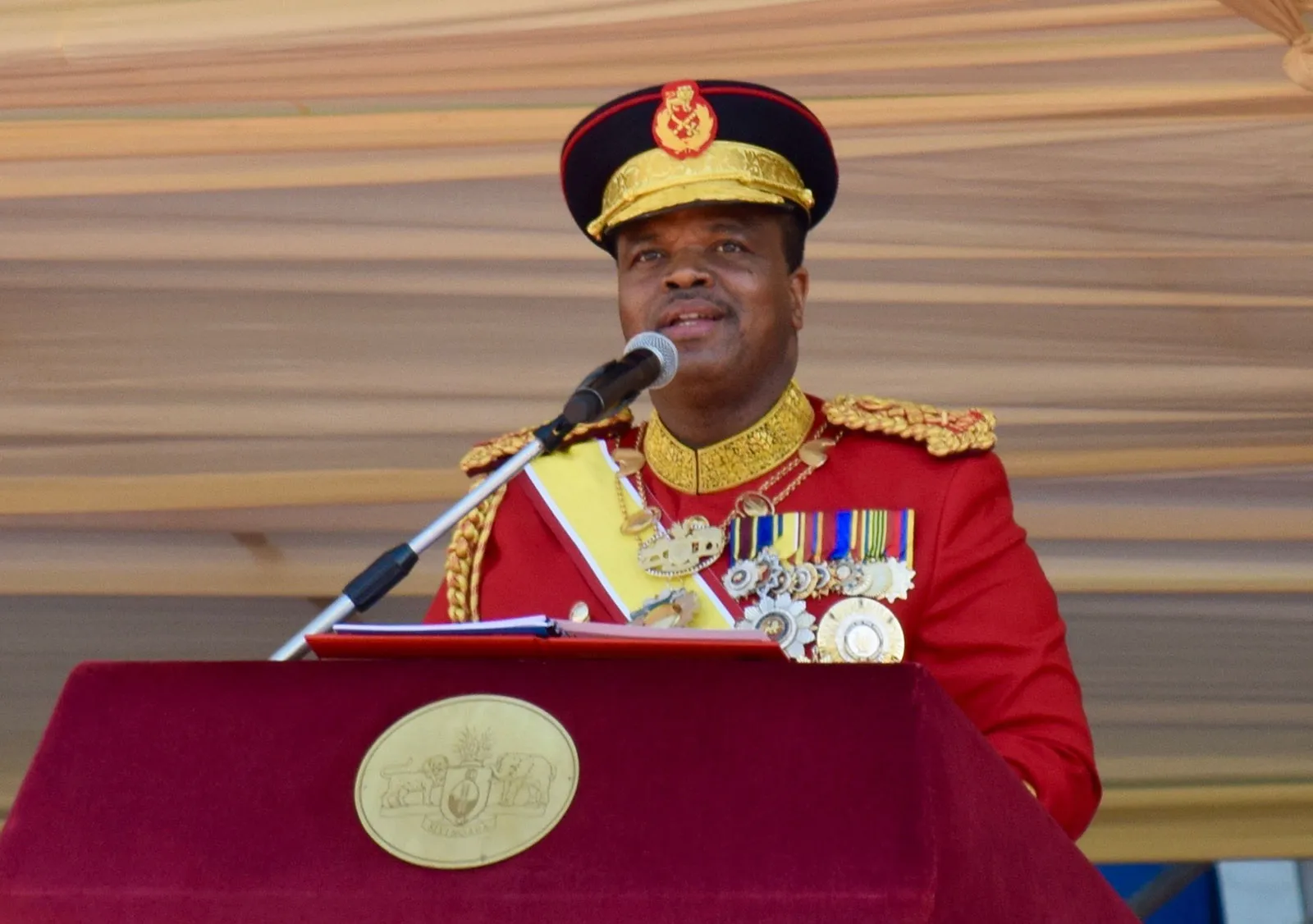
King Mswati III of Swaziland, officially known as Eswatini, is one of the world’s last absolute monarchs. His reign, marked by traditional leadership and modern complexities, has positioned him as a significant figure in both African and global contexts. As of recent estimates, King Mswati III’s net worth is approximately $100 million. This wealth stems from various sources, including state allocations, business investments, and traditional assets.
Historical Context and Monarchical Lineage
King Mswati III was born Prince Makhosetive Dlamini on April 19, 1968, in Manzini, Swaziland. He ascended to the throne on April 25, 1986, at the age of 18, following the death of his father, King Sobhuza II. King Sobhuza II ruled for over 82 years, making him one of the longest-reigning monarchs in history. The Swazi monarchy has a deep-rooted history, with traditions and cultural practices that have been preserved for centuries.
Sources of Wealth
The wealth of King Mswati III is multifaceted, deriving from state funds, personal investments, and traditional assets. His financial status is a blend of modern economics and historical wealth management practices.
State Allocations and Sovereign Wealth: As an absolute monarch, King Mswati III receives a significant portion of his wealth directly from the state. The government allocates funds for the maintenance of the royal family, which includes multiple palaces, vehicles, and other luxuries. These allocations are a substantial part of his annual income.
Business Ventures and Investments: King Mswati III has diversified his wealth through various business ventures. His investments span different sectors, including real estate, telecommunications, and energy. These businesses are often managed through royal entities or private companies where the king holds significant stakes.
Traditional Assets: The Swazi royal family owns extensive land and cattle, which are traditional symbols of wealth in Swazi culture. These assets not only contribute to the king’s net worth but also reinforce his status and influence within the country.
Business and Economic Influence
King Mswati III’s economic influence extends beyond his personal wealth. His business ventures and investments have a notable impact on Swaziland’s economy.
Real Estate Holdings: The king owns multiple properties, both within Swaziland and abroad. These properties include luxury residences, commercial buildings, and undeveloped land. Real estate investments provide a steady income stream through rentals and property appreciation.
Telecommunications: King Mswati III has invested in the telecommunications sector, recognizing its potential for growth and revenue. His involvement in this industry has positioned him as a key player in Swaziland’s technological advancement.
Energy Sector: The king’s investments in the energy sector, particularly in renewable energy projects, align with global trends towards sustainable development. These investments not only contribute to his wealth but also support Swaziland’s energy needs and environmental goals.
Lifestyle and Expenditures
King Mswati III is known for his opulent lifestyle, which is often a subject of international media attention. His expenditures reflect his royal status and the cultural expectations of monarchy.
Palaces and Residences: The king resides in multiple palaces across Swaziland, each equipped with state-of-the-art facilities and luxurious amenities. These residences are maintained by state funds and private wealth, showcasing the grandeur of the Swazi monarchy.
Fleet of Luxury Vehicles: King Mswati III’s collection of luxury vehicles is extensive, including high-end cars and customized limousines. This fleet is a symbol of his wealth and status, often displayed during official ceremonies and public appearances.
Royal Ceremonies and Cultural Events: The king presides over numerous traditional ceremonies and cultural events, which are integral to Swazi society. These events are lavishly funded, reflecting the importance of cultural preservation and the king’s role as a cultural custodian.
Philanthropy and Social Contributions
Despite his wealth and luxurious lifestyle, King Mswati III is also involved in philanthropic activities and social contributions. His efforts aim to improve the lives of Swazi citizens and support national development.
Education and Scholarships: The king has established various scholarship programs to support the education of Swazi youth. These programs provide financial assistance for students to pursue higher education both within Swaziland and abroad.
Healthcare Initiatives: King Mswati III supports healthcare initiatives aimed at improving medical facilities and services in Swaziland. His contributions include funding for hospitals, clinics, and health campaigns.
Community Development Projects: The king is involved in community development projects that focus on infrastructure, agriculture, and social services. These projects are designed to uplift rural communities and promote sustainable development.
Challenges and Criticisms
King Mswati III’s wealth and leadership have not been without controversy. His accumulation of wealth and the allocation of state funds for royal expenditures have faced criticism, particularly in the context of Swaziland’s economic challenges.
Economic Disparities: Swaziland faces significant economic disparities, with a large portion of the population living in poverty. Critics argue that the king’s wealth and expenditure on luxuries are at odds with the economic hardships faced by many Swazi citizens.
Transparency and Governance: Concerns about transparency and governance have been raised regarding the management of state funds and royal wealth. Calls for greater accountability and equitable distribution of resources are common themes in public discourse.
Political and Social Reforms: As an absolute monarch, King Mswati III’s governance style has been scrutinized, with calls for political and social reforms. Advocacy for democratization and human rights continues to challenge the traditional monarchical structure.
Conclusion
King Mswati III of Swaziland, with a net worth of approximately $100 million, exemplifies the intersection of traditional monarchy and modern wealth accumulation. His financial status is a result of state allocations, business ventures, and traditional assets. While his wealth and lifestyle reflect his royal status, they also highlight the complexities and challenges of leading an absolute monarchy in the contemporary world. Balancing tradition with modernity, King Mswati III’s reign continues to shape the economic, cultural, and political landscape of Swaziland.


