
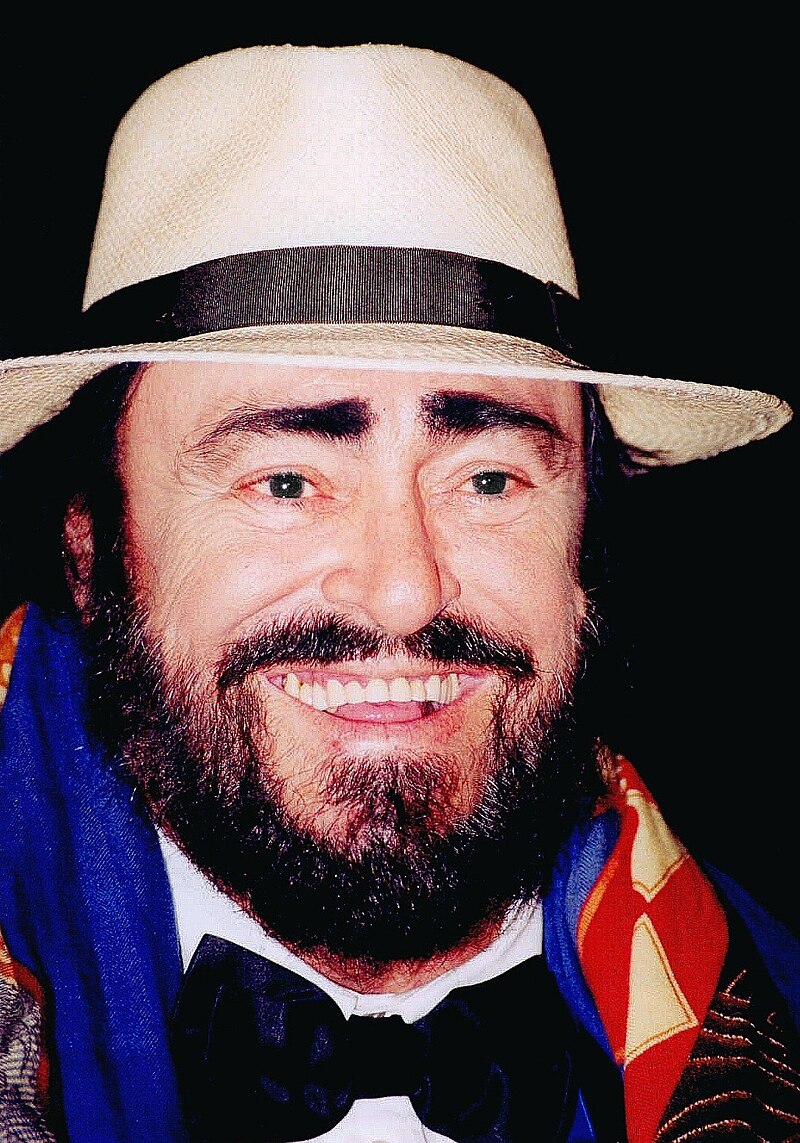
Luciano Pavarotti, often hailed as one of the greatest tenors of all time, left an indelible mark on the world of opera. With a career spanning over four decades, Pavarotti’s financial success was as grand as his voice. This article delves into Luciano Pavarotti’s earnings, net worth, and the various revenue streams that contributed to his substantial wealth.
Luciano Pavarotti’s Earnings from Opera and Music
Luciano Pavarotti’s music career is the cornerstone of his wealth. Pavarotti’s rise to fame began in the early 1960s when he debuted in major opera houses like La Scala in Milan. His powerful and emotive tenor voice quickly captivated audiences worldwide. He became known for his performances in operas such as Verdi’s “Rigoletto,” Puccini’s “La Bohème,” and Donizetti’s “L’Elisir d’Amore.”
Pavarotti’s recordings have been commercially successful, selling millions of copies globally. His extensive discography includes iconic albums and compilations like “Pavarotti & Friends,” which featured collaborations with pop and rock artists. His classical albums and live performance recordings have consistently sold well, contributing significantly to his wealth.
Concert Tours and Live Performances
Touring was a major source of income for Luciano Pavarotti. His live performances were legendary, known for their emotional intensity and technical brilliance. Pavarotti’s concerts attracted large audiences, filling prestigious venues around the world. One of the most notable tours was the “Three Tenors” concert series, where he performed alongside Plácido Domingo and José Carreras. Their concert at the Baths of Caracalla in Rome during the 1990 FIFA World Cup is particularly famous, and the recording became one of the best-selling classical albums of all time.
Pavarotti’s solo tours were also highly lucrative, with sold-out shows across Europe, the Americas, and Asia. His farewell tour in the early 2000s grossed millions of dollars, further boosting his financial portfolio.
Television Appearances and Media
Luciano Pavarotti expanded his reach through television appearances and media engagements. He appeared on numerous TV shows, bringing opera to a broader audience. His televised concerts and special events, such as “Pavarotti & Friends,” where he performed with various pop stars, were widely watched and helped increase his popularity and earnings.
Film and Other Ventures
Pavarotti’s influence extended into film and other ventures. He starred in the film “Yes, Giorgio” in 1982, which, although not critically acclaimed, showcased his versatility and brought additional income. His involvement in various multimedia projects, including documentaries and special performances, also contributed to his wealth.
Business Ventures and Endorsements
Luciano Pavarotti ventured into various business endeavors that further diversified his income. He was involved in the production of his concerts and recordings, ensuring a share of the profits. Pavarotti also capitalized on his brand through endorsements and partnerships. He endorsed products and services that aligned with his public image, from luxury goods to charitable initiatives.
Real Estate Investments
Real estate investments were a significant component of Luciano Pavarotti’s financial portfolio. He owned several luxurious properties, including a villa in his hometown of Modena, Italy, and a residence in Pesaro, Italy. These properties not only provided personal luxury but also appreciated in value, contributing to his overall net worth.
Historical Context of Luciano Pavarotti’s Wealth Accumulation
Luciano Pavarotti’s financial success can be understood within the broader context of the classical music industry’s evolution. Emerging in the 1960s, Pavarotti benefited from a renewed global interest in opera. His ability to bridge classical and popular music expanded his audience base and revenue streams. The 1980s and 1990s saw a surge in crossover projects, with Pavarotti collaborating with artists from various genres, thereby increasing his commercial appeal.
The advent of digital music and the internet in the late 1990s and early 2000s also played a role in Pavarotti’s continued relevance and financial success. His recordings became more accessible to a global audience, and his legacy was preserved through digital media.
Luciano Pavarotti’s Net Worth Today
Luciano Pavarotti’s net worth was estimated to be around $275 million at the time of his death in 2007. This wealth was a result of his earnings from opera performances, concert tours, television appearances, film roles, business ventures, endorsements, and real estate investments. Pavarotti’s strategic approach to diversifying his income streams was crucial in building and maintaining his wealth.
Philanthropy and Charitable Contributions
Luciano Pavarotti was also known for his philanthropic efforts. He organized and participated in numerous charity concerts, raising millions of dollars for various causes, including medical research, disaster relief, and children’s education. His “Pavarotti & Friends” concerts were particularly noteworthy for their charitable contributions, reflecting his commitment to giving back to the community.
Conclusion
Luciano Pavarotti’s journey from a small-town singer in Modena to an international opera superstar and multimillionaire is a testament to his talent, resilience, and business acumen. His diverse revenue streams, from music and live performances to business ventures and real estate, all played a part in his financial success. Pavarotti’s ability to adapt to the evolving entertainment industry and maintain his relevance ensured his enduring wealth and influence.
His strategic approach to managing his career and finances made him one of the wealthiest and most respected figures in the world of classical music. Luciano Pavarotti’s wealth is not just a reflection of his commercial success but also a testament to his impact on the cultural landscape of modern music.


