
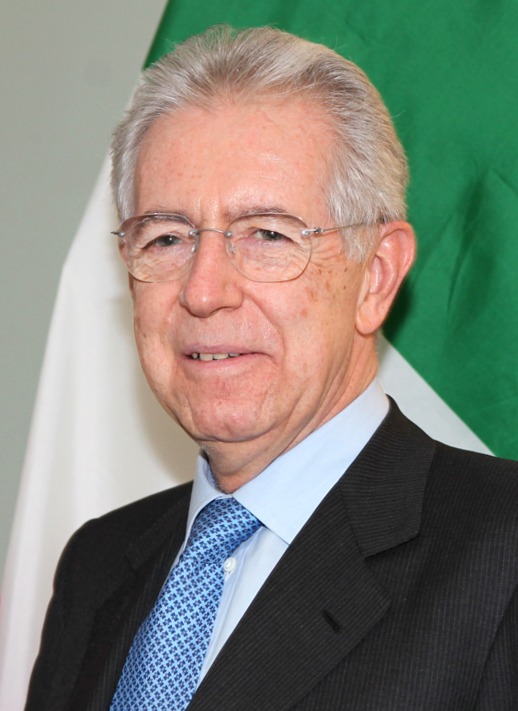
Mario Monti, an esteemed Italian economist and politician, has an estimated net worth of $50 million. His wealth is a reflection of his distinguished career in academia, public service, and advisory roles in prominent global corporations. To fully appreciate the sources and significance of Monti’s wealth, it’s essential to explore his life story, professional journey, and the historical context of his contributions.
Early Life and Education
Mario Monti was born on March 19, 1943, in Varese, Italy. His early education set a strong foundation for his future career. Monti attended Bocconi University in Milan, one of Italy’s premier institutions for economics and business studies. He furthered his education at Yale University, where he was influenced by renowned economist James Tobin. This academic background equipped Monti with the expertise and analytical skills that would define his professional trajectory.
Academic and Professional Career
Monti’s career began in academia, where he made significant contributions as an economist. He served as a professor at several universities, including Bocconi University, where he eventually became President and Rector. His academic work, particularly in competition economics and policy, established him as a leading figure in the field. Monti’s tenure at Bocconi University solidified his reputation as an expert in economic theory and policy.
European Commissioner
In 1995, Monti transitioned to a pivotal role in the European Union, serving as a European Commissioner. He was initially responsible for the Internal Market, Services, Customs, and Taxation. His mandate expanded from 1999 to 2004, when he became the Commissioner for Competition. In this role, Monti was instrumental in implementing policies to ensure fair competition within the EU, tackling monopolies, and overseeing significant antitrust cases. His work had a profound impact on the EU’s economic landscape, promoting efficiency and consumer welfare.
Prime Minister of Italy
Mario Monti’s most prominent public role came in November 2011, when he was appointed Prime Minister of Italy following the resignation of Silvio Berlusconi. At a time of economic crisis, Monti’s appointment was seen as a move towards stability and reform. He formed a technocratic government, emphasizing economic austerity, structural reforms, and fiscal discipline to address Italy’s financial challenges.
Monti also served as the Minister of Economy and Finances, a dual role that underscored his expertise and the trust placed in him to steer Italy through turbulent times. His government implemented a series of austerity measures and economic reforms aimed at reducing public debt and restoring investor confidence. Although these measures were controversial and met with public resistance, they were pivotal in stabilizing Italy’s economy during a critical period.
Wealth and Sources of Income
Monti’s net worth of $50 million can be attributed to several sources. His academic career, particularly his leadership roles at Bocconi University, provided a substantial income. Additionally, his roles as a European Commissioner and Prime Minister of Italy came with significant salaries and benefits.
Beyond his public service, Monti has held advisory positions in major global corporations. He has been an advisor to The Coca-Cola Company and Goldman Sachs, leveraging his economic expertise to provide strategic insights. These roles have undoubtedly contributed to his wealth, reflecting the value of his knowledge and experience in the global economic arena.
Involvement in Think Tanks and Advisory Roles
Monti’s influence extends beyond his formal roles in academia and government. He participates in several think tanks, including the Praesidium of Friends of Europe, where he contributes to discussions on economic policy and governance. He is also a leading member of the Bilderberg Group, a forum for discussing international issues and fostering dialogue among political, business, and academic leaders.
Personal Life
Mario Monti married Elsa Antoniollo in 1970, and the couple has two children. Despite his high-profile career, Monti has maintained a relatively private personal life, focusing on his family and professional responsibilities.
Historical Context and Legacy
Understanding Mario Monti’s wealth and career requires a broader examination of the historical and economic context of his contributions. His work as a European Commissioner came during a period of significant integration and expansion within the EU, requiring robust economic governance and competition policies. As Prime Minister of Italy, Monti’s leadership during the eurozone crisis was critical in navigating the country through economic instability.
Monti’s legacy is characterized by his commitment to economic stability, fiscal responsibility, and fair competition. His efforts to reform Italy’s economy and his influence on EU economic policy have left a lasting impact. While his tenure as Prime Minister was marked by difficult decisions and public dissent, his contributions to economic policy and governance are widely recognized and respected.
Conclusion
Mario Monti’s estimated net worth of $50 million is a testament to his extensive and multifaceted career. From his academic achievements and leadership at Bocconi University to his pivotal roles as a European Commissioner and Prime Minister of Italy, Monti’s contributions have had a significant impact on both national and international levels. His advisory roles in global corporations and involvement in influential think tanks further underscore his expertise and influence in the field of economics. Monti’s wealth, earned through a combination of public service, academia, and advisory positions, reflects the breadth and depth of his professional accomplishments.


