
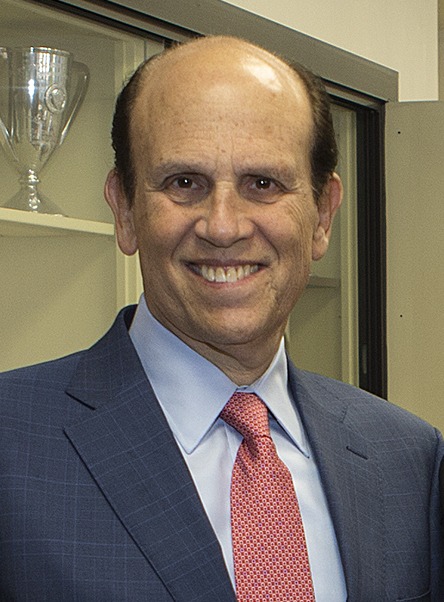
Michael Milken is a prominent figure in the financial world, often recognized for his pioneering work in the high-yield bond market and his transformative impact on Wall Street during the 1980s. Despite his controversial past and legal troubles, Milken has managed to amass significant wealth and continues to influence various sectors through his philanthropic endeavors. This article explores the specifics of Michael Milken’s earnings, his overall wealth, and the historical context that has shaped his financial empire.
Early Life and Career Beginnings
Michael Milken was born on July 4, 1946, in Encino, California. He exhibited academic excellence early on, earning a degree from the University of California, Berkeley, and later an MBA from the Wharton School of the University of Pennsylvania. Milken’s career in finance began at Drexel Harriman Ripley, which later became Drexel Burnham Lambert. It was here that Milken developed his expertise in high-yield bonds, also known as “junk bonds.”
Milken’s innovative approach to high-yield bonds revolutionized corporate finance. By recognizing the potential of these securities, he provided capital to companies that were previously considered too risky by traditional banks. This strategy not only facilitated the growth of numerous businesses but also significantly boosted Milken’s career and earnings.
The Rise of High-Yield Bonds
During the 1980s, Milken’s work at Drexel Burnham Lambert propelled the firm to the forefront of the financial industry. High-yield bonds became a powerful tool for financing leveraged buyouts, mergers, and acquisitions. Milken’s ability to package and sell these bonds attracted a wide array of investors, and the profits generated were substantial.
Milken’s influence extended beyond the realm of junk bonds. His innovative financial strategies and aggressive marketing techniques transformed Drexel Burnham Lambert into a powerhouse, with the firm handling billions of dollars in transactions. However, this success came with its share of controversies, culminating in legal issues that would later tarnish Milken’s reputation.
Earnings and Wealth Accumulation
As of recent estimates, Michael Milken’s net worth is approximately $6 billion. His wealth is primarily derived from his earnings in the high-yield bond market, personal investments, and his continued involvement in various business ventures.
Salary and Compensation
During his time at Drexel Burnham Lambert, Milken earned a substantial salary and received significant bonuses tied to the firm’s performance. At the peak of his career, it is estimated that Milken earned between $200 million and $550 million annually. These earnings were primarily driven by the high-yield bond market and the substantial profits generated for the firm and its clients.
Investments and Returns
After leaving Drexel Burnham Lambert, Milken focused on managing his wealth through a diverse portfolio of investments. His investment strategy includes real estate, private equity, and other financial instruments. These investments have consistently yielded high returns, further augmenting his wealth.
Personal Assets and Holdings
Michael Milken’s personal assets include luxury properties, art collections, and other high-value possessions. He owns several residences, including homes in California and New York, as well as a substantial art collection featuring works by renowned artists. These assets contribute significantly to his overall net worth.
Philanthropy and Contributions
Michael Milken is also known for his extensive philanthropic efforts. After his legal troubles, he redirected his focus towards philanthropy, establishing the Milken Family Foundation in 1982. The foundation supports initiatives in education, medical research, and public health.
One of Milken’s most significant contributions is to cancer research. As a prostate cancer survivor, he has donated millions to fund research and improve treatment options. The Milken Institute, a nonprofit think tank founded by Milken, aims to advance economic and health solutions globally. His philanthropic philosophy emphasizes impact and innovation, mirroring his approach to finance.
Historical Context and Impact
To fully understand Michael Milken’s earnings and wealth, it is essential to consider the broader historical context of the high-yield bond market and the evolution of corporate finance. The late 20th century saw significant changes in how companies accessed capital, with Milken playing a pivotal role in this transformation. His work in high-yield bonds facilitated the growth of numerous companies and industries, reshaping the financial landscape.
Milken’s success and subsequent legal issues also highlight the complexities of financial innovation. While his strategies generated substantial profits, they also led to increased scrutiny and regulatory changes in the financial industry. His 1990 conviction for securities fraud and insider trading resulted in a 10-year prison sentence, of which he served two years, and a $600 million fine.
Market Influence and Legacy
Michael Milken’s influence extends far beyond his personal earnings and wealth. As a pioneer in high-yield bonds, he has played a significant role in shaping modern corporate finance. His work has inspired countless other financiers and firms to explore new ways of raising capital and managing investments.
Milken’s legacy is also evident in his philanthropic endeavors. By supporting education, medical research, and economic development, he has made lasting contributions to society. His work through the Milken Institute and other organizations continues to drive innovation and address pressing global challenges.
Conclusion
Michael Milken’s financial journey is a testament to the power of innovation, resilience, and adaptability. From his early days revolutionizing the high-yield bond market to his leadership in philanthropy, Milken has consistently demonstrated an ability to leverage advanced techniques to achieve exceptional results.
With an estimated net worth of $6 billion, Milken’s earnings reflect his profound impact on the financial industry. Beyond his wealth, his contributions to education, medical research, and public health underscore a legacy that transcends financial success. Michael Milken remains a central figure in finance and philanthropy, embodying both the opportunities and responsibilities that come with great wealth.


