
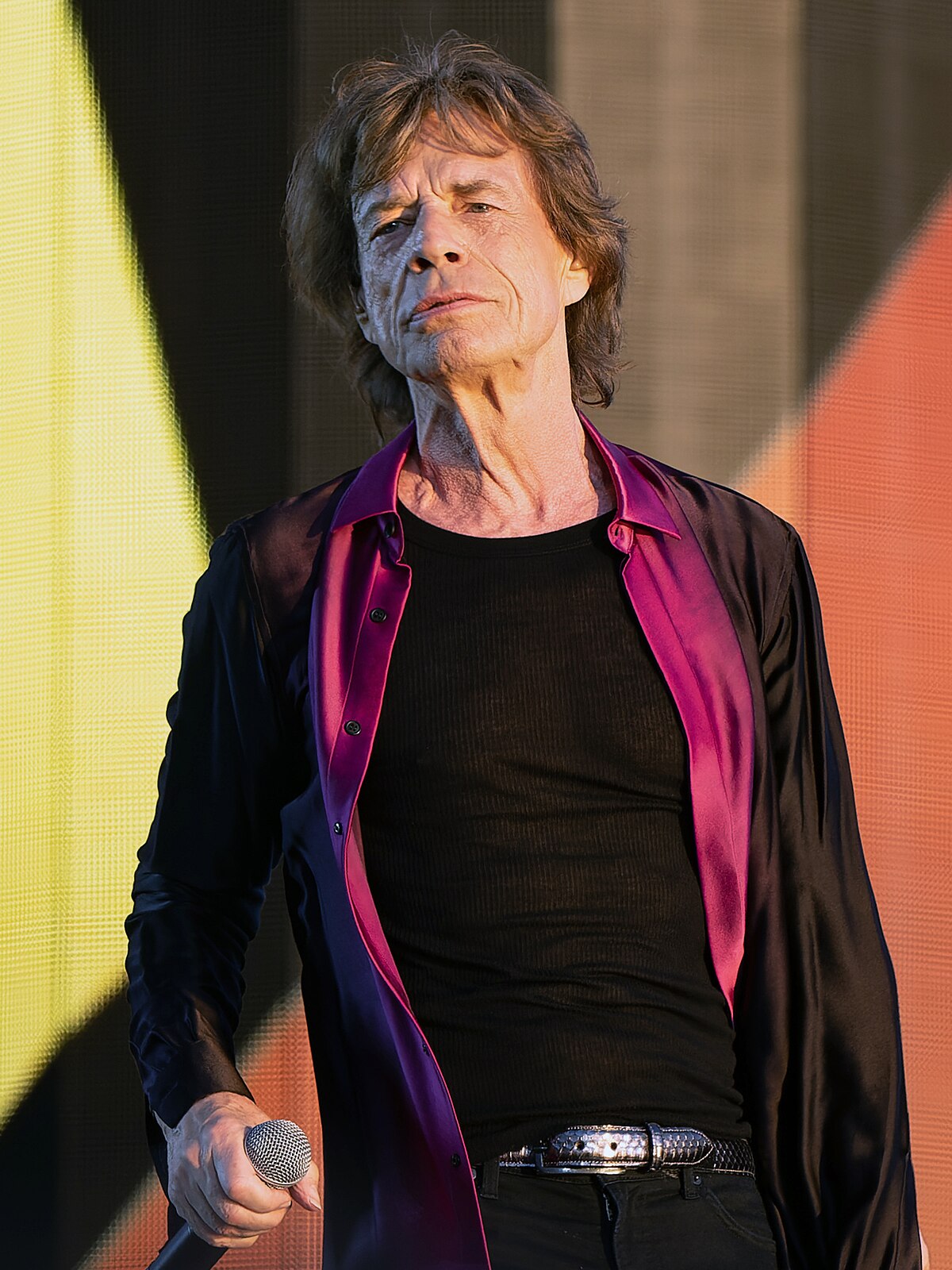
Mick Jagger, the iconic frontman of The Rolling Stones, has amassed substantial wealth through his storied career in music, as well as his ventures into acting, production, and business. With an estimated net worth of $500 million, Jagger’s financial success is a testament to his enduring influence and versatility in the entertainment industry. This article delves deeply into the details of Mick Jagger’s earnings, his wealth accumulation, and the historical context of his financial journey. By examining his career trajectory and the sources of his income, we can gain a comprehensive understanding of how Mick Jagger has built his wealth.
Early Life and Career Beginnings
Michael Philip Jagger was born on July 26, 1943, in Dartford, Kent, England. His early interest in music, combined with his charismatic stage presence, laid the foundation for his future success.
Education and Early Career
Jagger attended the London School of Economics, where he briefly studied before fully committing to his music career. His meeting with Keith Richards in 1960 rekindled their childhood friendship and led to the formation of The Rolling Stones in 1962. This pivotal moment marked the beginning of a legendary career.
Career with The Rolling Stones
Mick Jagger’s career with The Rolling Stones is the cornerstone of his wealth. As the lead vocalist and a primary songwriter, Jagger has been instrumental in the band’s success and longevity.
Album Sales and Touring
The Rolling Stones have released numerous albums, many of which have achieved multi-platinum status. Iconic albums such as “Let It Bleed,” “Sticky Fingers,” and “Exile on Main St.” have sold millions of copies worldwide.
Touring Revenue
The Rolling Stones are renowned for their extensive world tours, which have grossed billions of dollars. Their ability to consistently sell out stadiums and arenas around the globe has made touring a major source of income. Jagger’s share from these tours, along with performance fees, significantly contributes to his wealth.
Songwriting Royalties
Jagger, along with Keith Richards, has written some of the most iconic songs in rock history. The royalties from these songs, including hits like “Satisfaction,” “Angie,” and “Start Me Up,” contribute significantly to his wealth. These songs continue to generate income through radio play, streaming, and usage in films and commercials.
Solo Projects and Collaborations
Beyond his work with The Rolling Stones, Mick Jagger has pursued solo projects and collaborations that have added to his net worth.
Solo Albums
Jagger has released several solo albums, including “She’s the Boss,” “Primitive Cool,” and “Goddess in the Doorway.” While not as commercially successful as The Rolling Stones’ work, these albums have still contributed to his overall income through sales and tours.
Acting and Production
Jagger has also ventured into acting and production. He has appeared in films such as “Performance” and “Freejack,” showcasing his versatility. Additionally, Jagger co-founded Jagged Films, a production company that has produced notable films like “Enigma” and “Get on Up.”
Business Ventures and Investments
Mick Jagger has diversified his income through various business ventures and strategic investments.
Real Estate Investments
Jagger has invested in several high-end properties around the world, including homes in New York, London, and France. These real estate investments have appreciated over time, providing substantial returns and a steady stream of rental income and capital gains.
Licensing and Merchandise
The Rolling Stones’ brand is one of the most recognizable in the world, and licensing deals for merchandise, from clothing to memorabilia, contribute significantly to Jagger’s income. The band’s iconic tongue and lips logo is a global symbol, generating millions through merchandise sales.
Historical Context and Influence
Understanding Mick Jagger’s wealth requires a look at the historical context of The Rolling Stones and their influence on music and culture.
Influence on Rock and Roll
The Rolling Stones have been a driving force in shaping rock and roll music since the 1960s. Their influence extends beyond music into fashion, culture, and social movements. This widespread influence has kept their brand relevant and profitable across generations.
Longevity and Adaptability
One of the key factors in Jagger’s financial success is the longevity of The Rolling Stones. The band’s ability to adapt to changing musical landscapes and maintain a loyal fan base has ensured a continuous stream of income for decades.
Philanthropy and Public Service
While Mick Jagger’s wealth is substantial, he has also been involved in philanthropy and public service. His contributions to various causes reflect his commitment to giving back to the community.
Charitable Contributions
Jagger has supported numerous charitable organizations over the years, particularly those focused on music education, disaster relief, and healthcare. His philanthropy supports various initiatives that benefit society and enhance his public profile.
Conclusion
Mick Jagger’s net worth of $500 million is the result of a multifaceted career in music, acting, production, and business. His earnings from his roles in The Rolling Stones, combined with his diversified business ventures and investments, have significantly contributed to his wealth. Additionally, his potential future income from royalties, merchandise, and other ventures further solidifies his financial position.
By examining Mick Jagger’s career and the sources of his income, we gain a deeper understanding of how he has built his wealth. His journey from a young economics student to a global rock icon illustrates the diverse avenues through which he has achieved financial success. The historical context of his career and the influence of his strategic investments have also played crucial roles in shaping his financial journey.


