
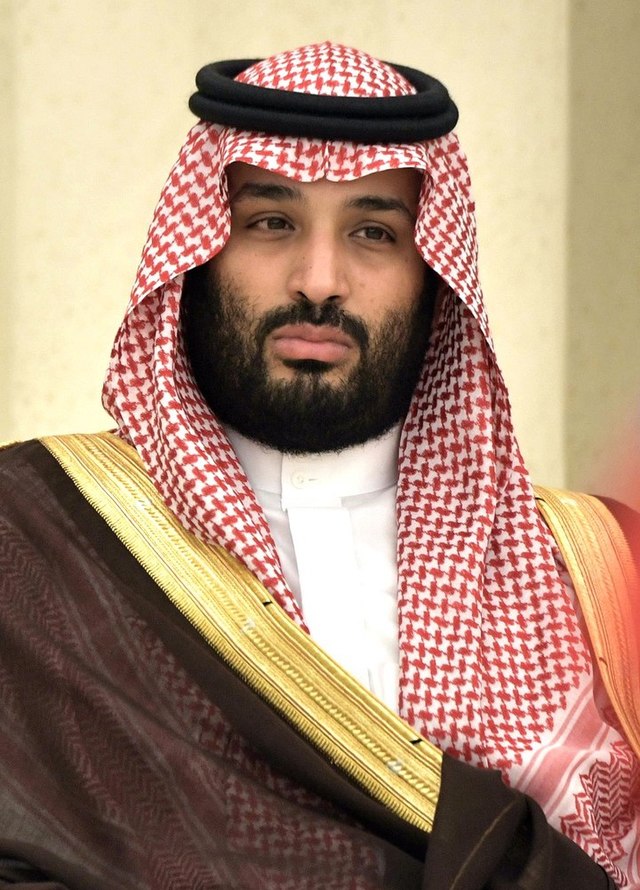
Mohammed bin Salman, commonly known as MBS, is the Crown Prince of Saudi Arabia and the de facto ruler of the Kingdom. His financial status is a subject of immense curiosity and discussion worldwide. As the son of King Salman bin Abdulaziz Al Saud, MBS wields considerable influence and control over one of the world’s richest nations. This article delves into the earnings and wealth of Mohammed bin Salman, exploring the nuances of his financial status, historical context, and the broader implications of his wealth.
Background and Rise to Power
Born on August 31, 1985, Mohammed bin Salman is the eldest son of King Salman and his third wife, Fahda bint Falah bin Sultan Al Hithalayn. MBS has risen swiftly through the ranks of the Saudi political hierarchy. He was appointed Crown Prince in June 2017, following the dismissal of his cousin, Mohammed bin Nayef. This move consolidated his power and positioned him as the next in line for the throne.
MBS is known for his ambitious Vision 2030 plan, aimed at diversifying Saudi Arabia’s economy and reducing its dependence on oil. This initiative underscores his forward-thinking approach and commitment to modernizing the Kingdom. However, his tenure has also been marked by controversies, including allegations of human rights abuses and the high-profile murder of journalist Jamal Khashoggi.
Sources of Wealth
Mohammed bin Salman’s wealth is derived from several sources, primarily linked to his position within the Saudi royal family and the country’s vast oil reserves. The House of Saud, the ruling family of Saudi Arabia, is one of the wealthiest royal families in the world. They control Saudi Aramco, the state-owned oil giant, which is considered the most valuable company globally.
Saudi Aramco: The backbone of MBS’s wealth is his control over Saudi Aramco. In 2019, the company was valued at $1.7 trillion during its initial public offering (IPO), making it the world’s largest IPO. The oil revenue generated by Saudi Aramco significantly contributes to the royal family’s wealth, with MBS having substantial influence over its operations and finances.
Investments and Holdings: MBS has also diversified his wealth through various investments and holdings. The Public Investment Fund (PIF) of Saudi Arabia, chaired by MBS, has invested in numerous high-profile companies worldwide, including Uber, Lucid Motors, and SoftBank’s Vision Fund. These investments are part of his strategy to modernize the Saudi economy and reduce its reliance on oil revenue.
Real Estate and Luxury Assets: Another significant component of MBS’s wealth is his ownership of luxurious properties and assets. He reportedly owns a $300 million chateau in France, a $500 million yacht named Serene, and has made record-breaking purchases such as Leonardo da Vinci’s painting “Salvator Mundi” for $450 million. These acquisitions highlight his extravagant lifestyle and the vast resources at his disposal.
Earnings and Annual Income
Determining the exact annual earnings of Mohammed bin Salman is challenging due to the opaque nature of the Saudi royal family’s finances. However, it is estimated that the royal family collectively receives billions of dollars annually from oil revenues and other investments. MBS, as the Crown Prince and a key figure in the Saudi government, likely receives a substantial portion of these funds.
While precise figures are hard to come by, estimates suggest that MBS’s annual earnings could be in the range of hundreds of millions of dollars. These earnings stem from his control over Saudi Aramco’s profits, investments through the PIF, and personal business ventures. Additionally, the Saudi government provides substantial financial support to the royal family, further bolstering his income.
Net Worth
As of the latest estimates, Mohammed bin Salman’s net worth is believed to be around $5 billion. This figure encompasses his various assets, investments, and control over state-owned enterprises. However, some reports suggest that his influence over the Saudi economy and access to state resources could imply a much higher effective net worth, potentially reaching tens of billions of dollars.
The House of Saud’s collective wealth is estimated to be over $1.4 trillion, with MBS being a primary beneficiary of this immense fortune. His position as Crown Prince allows him significant control over these resources, making him one of the wealthiest individuals globally.
Historical Context and Broader Implications
The wealth of Mohammed bin Salman must be understood within the broader context of the Saudi royal family’s history and the Kingdom’s economic structure. Saudi Arabia’s wealth has been largely driven by its vast oil reserves, discovered in the 1930s. The nationalization of Aramco in the 1980s further cemented the royal family’s control over the country’s primary economic asset.
MBS’s rise to power and his accumulation of wealth reflect both continuity and change within the Saudi monarchy. While he maintains the traditional sources of wealth, such as oil, he also seeks to transform the economy through diversification and investment in technology and innovation.
However, MBS’s wealth and power come with significant scrutiny and criticism. His aggressive domestic policies, including the detention of high-profile figures during the 2017 anti-corruption purge, have raised concerns about human rights and the rule of law in Saudi Arabia. Internationally, his role in the Yemen conflict and the Khashoggi affair have drawn widespread condemnation.
Conclusion
Mohammed bin Salman’s earnings and wealth are a testament to his influential position within the Saudi royal family and the broader economic landscape of Saudi Arabia. While exact figures remain elusive, his control over Saudi Aramco, extensive investments, and luxurious assets point to a net worth in the billions. Understanding MBS’s financial status requires considering the historical context of Saudi Arabia’s wealth, his strategic initiatives, and the controversies that have marked his tenure.
MBS’s financial empire is both a symbol of the immense riches of the Saudi monarchy and a focal point for discussions on power, governance, and reform in the Kingdom. As he continues to navigate the complexities of modernizing Saudi Arabia, his wealth and influence will undoubtedly remain subjects of global interest and debate.


