
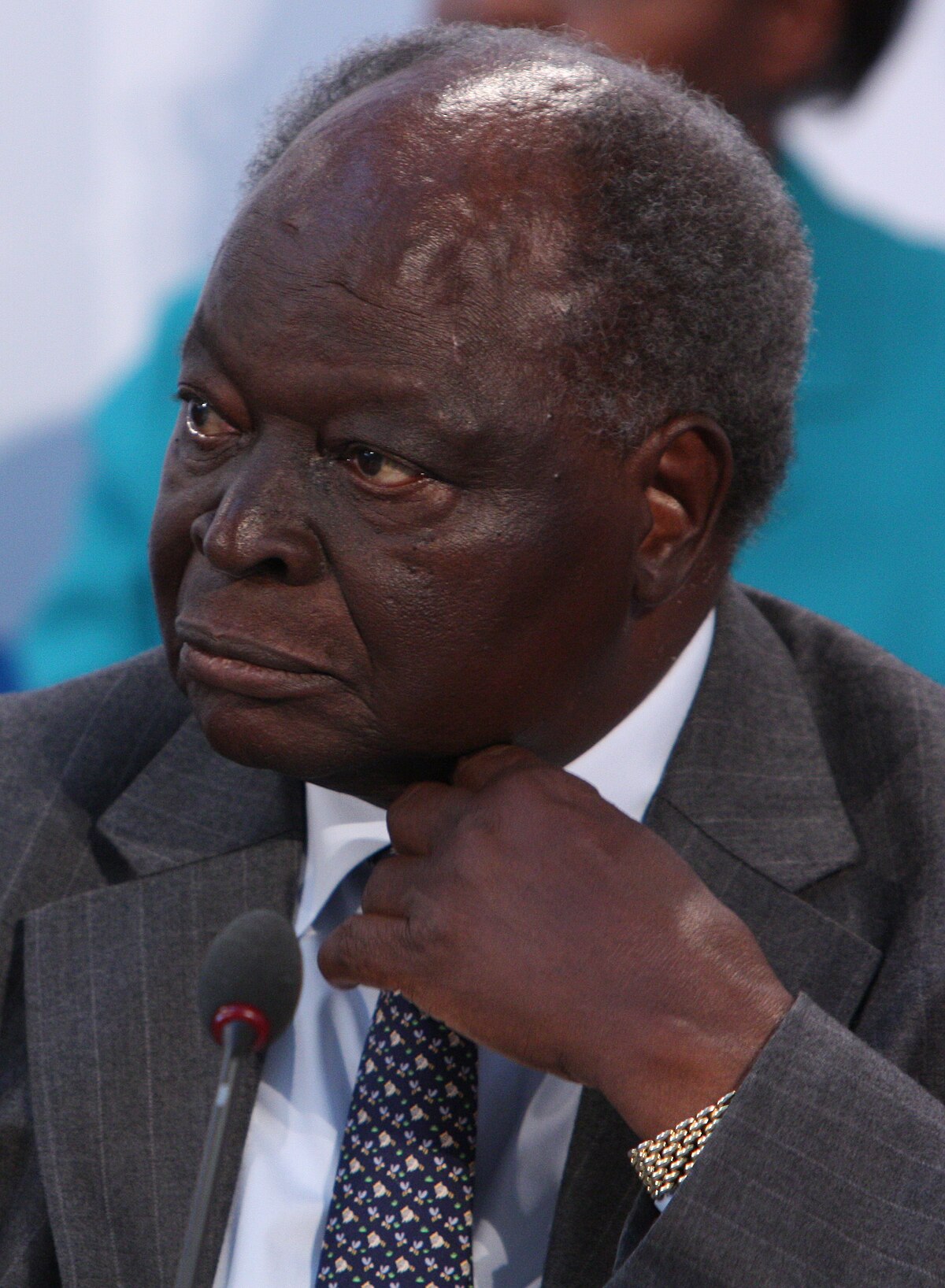
Mwai Kibaki, a distinguished Kenyan politician, served as the third President of Kenya from 2002 to 2013. His leadership and economic policies significantly impacted Kenya’s development. Understanding the earnings and wealth of a figure like Mwai Kibaki involves looking at his political career, investments, and contributions to the country. This article provides a detailed insight into Mwai Kibaki’s earnings and wealth, exploring various facets of his financial standing and historical context.
Mwai Kibaki’s Net Worth
Mwai Kibaki has a net worth of $50 million. This wealth has been accumulated through his long and illustrious career in politics, his investments, and various business ventures. Let’s break down the sources of his income and wealth.
Political Career and Earnings
Mwai Kibaki’s political career spans several decades, during which he held various significant positions. His journey in politics began in the early 1960s, soon after Kenya gained independence. He was a member of parliament, serving different constituencies, and held key ministerial roles.
Member of Parliament (MP): Kibaki served as an MP for over four decades. The salary and allowances for MPs in Kenya have varied over the years, but it is a well-compensated position, especially considering the various perks and allowances.
Ministerial Positions: Before becoming President, Kibaki held several ministerial positions, including the Minister of Finance and Minister of Home Affairs. These roles come with substantial salaries and benefits.
Vice President: Kibaki served as Vice President of Kenya from 1978 to 1988, a position that included a significant salary and perks.
President of Kenya: As President from 2002 to 2013, Kibaki earned a substantial salary. According to public records, the President of Kenya’s salary during his tenure ranged from $140,000 to $150,000 per year. Additionally, the President is entitled to numerous benefits, including housing, transportation, and security, all funded by the state.
Investments and Business Ventures
Beyond his political salary, Kibaki’s wealth is bolstered by investments and business ventures. These include:
Real Estate: Kibaki has invested significantly in real estate. He owns properties in Nairobi, Nyeri, and other parts of Kenya. Real estate investments can be highly lucrative, providing steady income through rentals and significant returns on investment.
Agriculture: Coming from a region known for agriculture, Kibaki has interests in farming. His agricultural ventures include large coffee plantations, dairy farming, and horticulture. Agriculture is a critical sector in Kenya, and successful farming can be highly profitable.
Stock Market and Shares: Kibaki is also believed to have invested in the Nairobi Securities Exchange (NSE). Investments in stocks and shares can yield significant returns, especially with a well-diversified portfolio.
Historical Context and Contributions
Mwai Kibaki’s wealth and earnings cannot be viewed in isolation from his contributions to Kenya’s development. His economic policies and governance played a crucial role in shaping modern Kenya.
Economic Reforms: As President, Kibaki implemented several economic reforms that spurred growth. His policies focused on infrastructure development, education, and healthcare, significantly improving Kenya’s GDP and overall economic health.
Infrastructure Development: One of Kibaki’s notable contributions was the improvement of infrastructure. His tenure saw the construction of roads, expansion of the energy sector, and modernization of the telecommunications industry. These developments have long-term positive impacts on the country’s economy.
Education and Health: Kibaki’s government introduced free primary education, which increased literacy rates and provided opportunities for many Kenyans. Additionally, healthcare improvements under his leadership contributed to better health outcomes for the population.
Nuances and Considerations
Analyzing Mwai Kibaki’s wealth also involves understanding the nuances and complexities of political wealth in Kenya.
Transparency and Accountability: While Kibaki’s wealth is well-documented, there are broader issues of transparency and accountability in Kenya’s political landscape. Ensuring that wealth accumulation by public officials is transparent and accountable is crucial for good governance.
Economic Disparities: Kenya, like many other countries, faces economic disparities. The wealth of political figures can sometimes be contrasted with the economic challenges faced by ordinary citizens. Addressing these disparities is essential for sustainable development.
Conclusion
Mwai Kibaki’s net worth of $50 million is a result of his long political career, strategic investments, and contributions to Kenya’s development. His earnings from various political roles, coupled with investments in real estate, agriculture, and the stock market, have significantly contributed to his wealth. Understanding his financial standing also involves appreciating his contributions to Kenya’s economic and social development.
The legacy of Mwai Kibaki is multifaceted, encompassing his role as a leader who brought economic reforms and his standing as a wealthy individual who leveraged his political career for financial growth. His story provides valuable insights into the interplay between politics and wealth in Kenya.


