
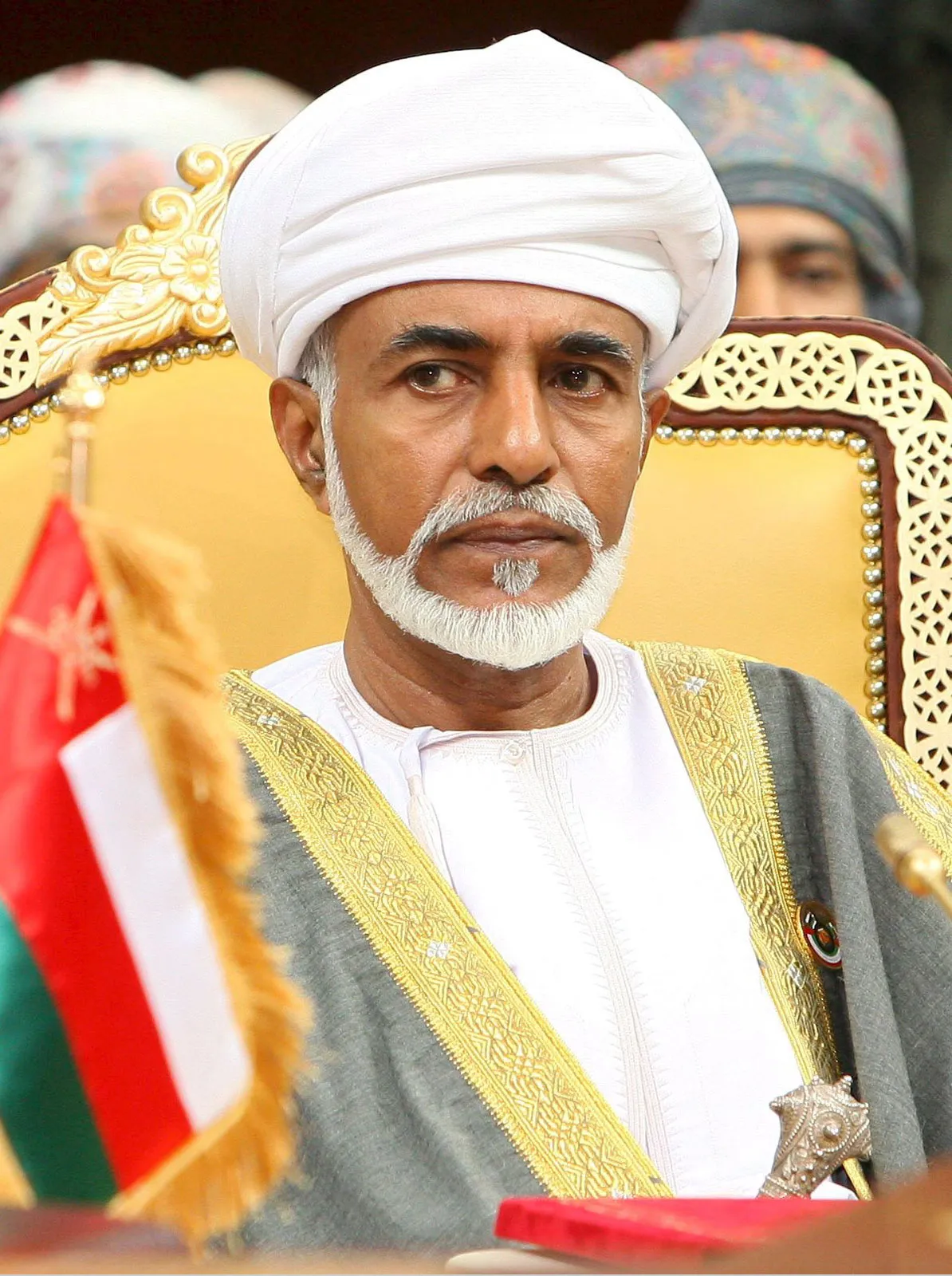
Qaboos Bin Said Al Said, the longest-serving leader in the Middle East at the time of his death, was the Sultan of Oman and its Dependencies. His net worth was estimated to be around $900 million. Known for his transformative rule over Oman, Sultan Qaboos’s wealth and earnings have been subjects of significant interest.
Early Life and Education
Born on November 18, 1940, in Salalah, Dhofar, Oman, Qaboos Bin Said was the only son of Sultan Said bin Taimur and belonged to the Al Bu Sa’idi dynasty, the ruling family of Oman since the mid-18th century. He was educated in Salalah and later in Pune, India, under the tutelage of Shankar Dayal Sharma, who would go on to become the President of India.
Qaboos furthered his education at the Royal Military Academy Sandhurst in the United Kingdom, where he joined the British Army and held a staff appointment. His military training, combined with his deep study of Islam, local governance, and Oman’s history, equipped him with a diverse set of skills that would later influence his rule.
Rise to Power
In 1970, Qaboos Bin Said orchestrated a bloodless coup against his father, Sultan Said bin Taimur, with the help of British military advisors. His father had ruled Oman with an iron fist, leading to widespread dissatisfaction and economic stagnation. Upon assuming power, Sultan Qaboos immediately set about modernizing the country.
Economic and Social Reforms
One of Sultan Qaboos’s most notable achievements was the transformation of Oman from a relatively isolated and underdeveloped nation into a modern state with a thriving economy. He invested heavily in infrastructure, including roads, hospitals, and schools, significantly improving the standard of living for Omani citizens.
Oil revenues, which began to flow steadily in the 1960s, played a crucial role in financing these developments. Under Qaboos’s leadership, Oman utilized its oil wealth to diversify its economy. Significant investments were made in sectors such as tourism, logistics, and manufacturing, reducing the country’s dependence on oil.
Wealth and Earnings
Sultan Qaboos’s net worth was estimated at $900 million at the time of his death. His wealth was derived from various sources, primarily stemming from Oman’s oil revenues and the state’s assets. Despite his considerable wealth, Qaboos was known for his relatively modest lifestyle compared to other rulers in the region.
Real Estate and Investments
Sultan Qaboos owned numerous properties both within Oman and internationally. His real estate portfolio included palaces, estates, and significant land holdings. These assets contributed substantially to his net worth.
Moreover, Qaboos made strategic investments in various sectors, further augmenting his wealth. His financial acumen ensured that Oman’s economic growth remained stable, even in times of fluctuating oil prices.
Governance and Political Influence
Qaboos Bin Said’s reign was characterized by an absolute monarchy with a unique blend of traditional and modern governance. While he held absolute power, he introduced parliamentary elections and allowed limited political participation, showcasing a more open-minded approach to governance.
His diplomatic efforts were notable. Qaboos positioned Oman as a neutral state, maintaining good relations with both Iran and the United States. This neutral stance enabled Oman to act as a mediator in regional conflicts, enhancing its geopolitical significance.
Cultural Contributions and Legacy
Sultan Qaboos was an ardent supporter of the arts, particularly classical music. He established a prestigious orchestra composed of Omani children who were trained from a young age to perform in the symphonic ensemble. This initiative not only promoted cultural development but also showcased Omani talent on an international stage.
His birthday, November 18, is celebrated as Oman’s national holiday, and his accession day, July 23, is recognized as Renaissance Day, marking the beginning of a new era for Oman.
Personal Life
In 1976, Qaboos married his cousin, Kamila, but the marriage ended in divorce shortly after, and he never remarried. Despite his personal life being relatively private, his leadership and public persona left a lasting impact on Oman and the broader Middle East.
Conclusion
Qaboos Bin Said Al Said’s legacy is multifaceted, encompassing significant economic, social, and cultural advancements. His net worth of $900 million at the time of his death reflects the wealth accumulated through strategic governance and prudent use of oil revenues. Sultan Qaboos’s transformative rule turned Oman into a modern state, leaving an indelible mark on its history.
His approach to governance, marked by a blend of tradition and modernity, set a unique example in the region. Under his leadership, Oman achieved remarkable progress, positioning itself as a stable and prosperous nation in a tumultuous region. Qaboos Bin Said’s life and rule continue to be studied and admired for their profound impact on Oman and its people.


