
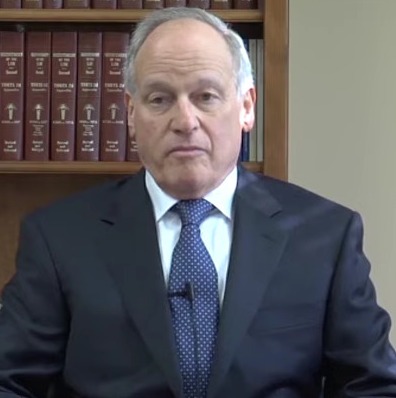
Richard Sackler, an American businessman and physician, is a key figure in the controversial history of Purdue Pharma, the company known for producing the painkiller OxyContin. This article explores Richard Sackler’s earnings, wealth, and the broader historical context of his financial and professional journey. We’ll delve into his early life, career at Purdue Pharma, the legal repercussions of the opioid crisis, and his current financial standing.
Early Life and Education
Richard Sackler was born on March 10, 1945, in Roslyn, New York, to Beverly and Raymond Sackler. The Sackler family has a long history in the pharmaceutical industry, with Richard’s father and uncles acquiring Purdue Pharma in 1952. Richard Sackler received a top-tier education, earning a Bachelor of Arts degree from Columbia University and a Doctor of Medicine degree from New York University School of Medicine. This strong educational background set the stage for his entry into the family business.
Career at Purdue Pharma
In 1971, Richard Sackler joined Purdue Pharma, initially working as an assistant to his father, Raymond, who was then the company president. Richard quickly rose through the ranks, becoming head of research and development, as well as head of marketing. His most significant contribution to Purdue Pharma was the development and promotion of OxyContin, an opioid painkiller.
Development and Promotion of OxyContin
Richard Sackler was instrumental in pushing OxyContin through FDA approval in 1995. The drug was marketed on the false claim that it was less addictive than other painkillers. Sackler’s aggressive marketing strategies included convincing doctors to prescribe OxyContin at higher doses, falsely claiming that addiction rates were extremely low. These tactics significantly boosted Purdue Pharma’s profits but also laid the groundwork for the opioid epidemic that has devastated communities across the United States.
Leadership and Financial Success
Richard Sackler became president of Purdue Pharma in 1999 and later served as co-chairman. Under his leadership, the company saw immense financial success, with OxyContin generating billions of dollars in revenue. Sackler’s business acumen and strategic marketing played a crucial role in this financial growth, making him one of the wealthiest individuals in the pharmaceutical industry. His net worth is estimated to be around $1 billion, while the broader Sackler family’s net worth is estimated at $14-15 billion.
Legal Repercussions and the Opioid Crisis
Purdue Pharma’s aggressive marketing of OxyContin and the resulting opioid epidemic led to numerous lawsuits and fines. In 2007, Purdue Pharma paid $600 million in one of the largest settlements ever reached by a U.S. pharmaceutical firm. Despite these legal challenges, the company continued its operations under Sackler’s leadership.
In 2018, Richard Sackler and Purdue Pharma were sued by the state of Massachusetts for misleading doctors and patients about the risks of OxyContin. The following year, Purdue filed for Chapter 11 bankruptcy protection, and in 2020, the company reached an $8 billion settlement, acknowledging its role in the opioid crisis. Additionally, members of the Sackler family were ordered to pay $225 million.
Public and Media Scrutiny
The Sackler family’s involvement in the opioid crisis has been the subject of extensive media coverage, including documentaries, books, and television series. Notable works include the HBO documentary “The Crime of the Century,” the book “Empire of Pain: The Secret History of the Sackler Dynasty,” and the Hulu miniseries “Dopesick,” where Richard Sackler is portrayed by Michael Stuhlbarg. These portrayals have brought significant public scrutiny to the family’s actions and their role in the opioid epidemic.
Philanthropy and Reputation Management
Despite the controversy, Richard Sackler has engaged in philanthropic activities, often seen as attempts at reputation management. He and his ex-wife, Beth, established the Richard and Beth Sackler Foundation, which has donated to various causes. However, these efforts have been overshadowed by the family’s role in the opioid crisis and the widespread damage caused by OxyContin.
Current Financial Standing
Richard Sackler’s current financial standing remains robust, with an estimated net worth of $1 billion. Despite the legal settlements and public backlash, the Sackler family’s wealth has endured, largely due to their diversified investments and extensive holdings in the pharmaceutical industry.
Future Prospects
Looking ahead, Richard Sackler and the Sackler family face ongoing legal and public relations challenges. The opioid crisis continues to be a significant issue, with new lawsuits and public scrutiny likely to emerge. However, the family’s financial acumen and strategic investments suggest that they will continue to maintain their substantial wealth.
Conclusion
Richard Sackler’s financial journey is a complex narrative of immense wealth, aggressive business strategies, and significant legal and ethical controversies. His role in the development and promotion of OxyContin has left an indelible mark on the pharmaceutical industry and public health in the United States. Understanding Richard Sackler’s financial background provides valuable insights into the broader dynamics of corporate influence, public health, and the intricate balance between profit and responsibility.


