
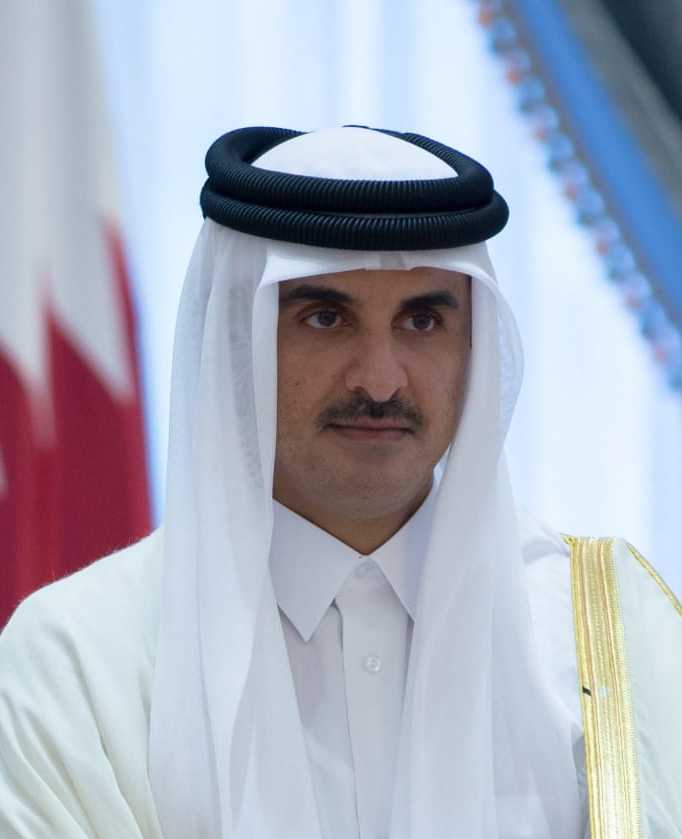
The wealth and earnings of the Sheikh of Qatar, currently Sheikh Tamim bin Hamad Al Thani, have long been a subject of global fascination. Qatar, a small yet extraordinarily wealthy nation in the Persian Gulf, has seen its prominence rise significantly under the leadership of the Al Thani family. This article delves into the earnings and wealth of the Sheikh of Qatar, exploring the nuances, historical context, and broader implications of his financial status.
Background and Rise to Power
Sheikh Tamim bin Hamad Al Thani, born on June 3, 1980, ascended to the throne on June 25, 2013, following the abdication of his father, Sheikh Hamad bin Khalifa Al Thani. Sheikh Tamim’s rise marked a new era for Qatar, emphasizing modernization, international diplomacy, and continued economic growth. Educated at prestigious institutions such as Harrow School in England and the Royal Military Academy Sandhurst, Sheikh Tamim has been groomed for leadership from a young age.
Qatar, under the Al Thani family’s rule, has transformed from a pearl diving and fishing economy into one of the wealthiest countries per capita in the world, primarily due to its vast natural gas and oil reserves. This transformation has significantly influenced the financial standing of the ruling family, including Sheikh Tamim.
Sources of Wealth
Sheikh Tamim’s wealth is derived from multiple sources, primarily linked to Qatar’s extensive natural resources and strategic investments. The primary sources of his wealth include:
Natural Gas and Oil: Qatar holds the world’s third-largest reserves of natural gas and is one of the leading exporters of liquefied natural gas (LNG). The revenue generated from these resources forms the backbone of Qatar’s economy and the Al Thani family’s wealth. Qatar Petroleum, the state-owned oil company, plays a crucial role in this wealth accumulation, with profits funneled into state coffers and investments.
The Qatar Investment Authority (QIA): The QIA is Qatar’s sovereign wealth fund, established to manage the country’s surplus oil and gas revenues. With assets estimated to be over $450 billion, the QIA has diversified its investments globally, including stakes in high-profile companies like Volkswagen, Barclays, and Harrods. Sheikh Tamim, as the Emir, has significant influence over the QIA’s investment strategies, contributing to his wealth.
Real Estate and Luxury Assets: The Al Thani family has invested heavily in real estate, both domestically and internationally. This includes prime properties in London, New York, and Paris. Additionally, the family owns luxurious assets such as yachts, private jets, and art collections, further adding to their wealth.
Domestic Investments and Enterprises: Within Qatar, the Al Thani family holds stakes in various businesses and industries, including telecommunications, media, and sports. Notably, Qatar’s successful bid to host the 2022 FIFA World Cup has spurred significant infrastructure development, boosting the local economy and, by extension, the wealth of the ruling family.
Earnings and Annual Income
Estimating the exact annual earnings of Sheikh Tamim is challenging due to the opaque nature of royal finances. However, it is understood that the Sheikh’s income is substantial, driven by the profits from natural gas and oil, returns from QIA investments, and revenues from domestic enterprises.
Annual revenues from Qatar’s natural gas exports alone run into billions of dollars. The Sheikh, through his control over state assets and investments, likely receives an annual income in the range of hundreds of millions to billions of dollars. This estimate reflects the broader economic output of Qatar and the concentrated wealth within the ruling family.
Net Worth
As of the latest estimates, Sheikh Tamim bin Hamad Al Thani’s net worth is believed to be around $2 billion. This figure includes his share of the family wealth, personal assets, and control over state-owned enterprises and investments. However, considering the extensive holdings of the QIA and the overall wealth of the Al Thani family, his effective net worth could be significantly higher.
The Al Thani family’s collective wealth is estimated to be over $335 billion, making them one of the wealthiest royal families globally. Sheikh Tamim, as the Emir, has access to and control over these vast resources, underscoring his financial power.
Historical Context and Broader Implications
The wealth of Sheikh Tamim and the Al Thani family must be understood within the historical and economic context of Qatar. The discovery of oil in the 1940s and natural gas in the 1970s transformed Qatar from a modest economy into a global energy powerhouse. The nationalization of these resources and the establishment of state-owned enterprises have concentrated wealth within the ruling family.
Sheikh Tamim’s tenure has been marked by efforts to modernize the country, improve international relations, and diversify the economy. Initiatives like the Qatar National Vision 2030 aim to reduce the country’s dependence on hydrocarbons by investing in education, healthcare, and infrastructure. These efforts reflect a forward-thinking approach to governance and wealth management.
However, the concentration of wealth within the Al Thani family also raises questions about economic inequality and governance. While Qatar boasts one of the highest GDP per capita in the world, wealth distribution remains highly skewed towards the royal family and elite.
Conclusion
Sheikh Tamim bin Hamad Al Thani’s earnings and wealth are a testament to his influential position within Qatar and the broader global economy. While exact figures are challenging to ascertain, his control over natural gas and oil revenues, strategic investments through the QIA, and extensive real estate holdings point to a net worth of around $2 billion, with the broader family wealth exceeding $335 billion.
Understanding Sheikh Tamim’s financial status requires a broader look at Qatar’s economic history, the strategic management of its natural resources, and the modernization efforts under his leadership. His wealth and influence reflect the economic transformation of Qatar and the complexities of wealth concentration in a modern monarchy.
As Qatar continues to navigate its future, the wealth and governance of the Al Thani family will remain subjects of global interest and scrutiny. Sheikh Tamim’s leadership and financial strategies will play a crucial role in shaping the country’s trajectory in the coming decades.


