
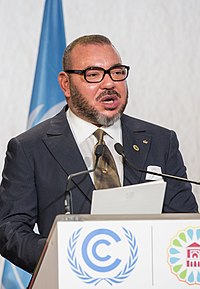
King Mohammed VI of Morocco, who ascended to the throne in July 1999 after the passing of his father King Hassan II, is one of the wealthiest and most influential monarchs in the world. With an estimated net worth of $6 billion, he is not only the richest king in Africa but also a significant figure in global politics and economics. This article explores King Mohammed VI’s earnings, wealth, and the various factors contributing to his financial status, providing a comprehensive overview of his career and impact.
Early Life and Education
Born on August 21, 1963, in Rabat, Morocco, Mohammed VI is the second child and first son of King Hassan II and Lalla Latifa. He has a brother, Prince Moulay Rachid, and three sisters: Princesses Lalla Meryem, Lalla Asma, and Lalla Hasna. From an early age, Mohammed VI received a thorough religious and political education. At the age of four, he was enrolled in Quranic school at the Royal Palace. He later attended the Royal College and earned his law degree from Mohammed V University at Agdal in 1985.
In 1987, Mohammed VI obtained a certificate in political sciences, and in 1988, he earned a diploma in public law. He went on to complete his PhD in law from France’s University of Nice Sophia Antipolis in 1993. His education and training prepared him for his future role as the monarch, instilling in him a strong foundation in governance and international relations.
Ascension to the Throne and Reforms
Upon the death of his father on July 23, 1999, Mohammed VI ascended to the throne. His reign began with a series of ambitious reforms aimed at modernizing Morocco and improving human rights. He announced plans to tackle poverty, create jobs, and address corruption. In 2004, he reformed the family code, known as the Mudawana, granting more rights to women.
However, Mohammed VI’s tenure has not been without controversy. In 2010, leaked diplomatic cables implicated him in government corruption, highlighting the intertwining of his business interests with state affairs. Despite these allegations, he has continued to push forward with reforms, including a new constitution in 2011 following mass protests calling for political and social changes.
Business Holdings and Wealth
King Mohammed VI’s substantial wealth is largely derived from his extensive business holdings. He is the leading businessman and banker in Morocco, with significant stakes in various sectors through the Al Mada holding company. This conglomerate has investments in banking, mining, real estate, insurance, telecommunications, and energy. The diversity and scale of these investments contribute significantly to his net worth, making him the richest king in Africa.
Al Mada Holding Company
Al Mada, formerly known as Société Nationale d’Investissement (SNI), is a major investment holding company controlled by the Moroccan royal family. Under Mohammed VI’s leadership, Al Mada has expanded its portfolio, investing in key sectors that drive Morocco’s economy. The company’s success in banking and finance is particularly notable, with substantial stakes in major banks and financial institutions.
Agricultural and Land Holdings
In addition to his investments through Al Mada, King Mohammed VI is a leading agricultural producer and landowner. He has a personal holding company called SIGER, which holds shares in Les Domaines, a major agricultural group. These agricultural ventures not only add to his wealth but also play a crucial role in Morocco’s food security and agricultural development.
Controversies and Challenges
King Mohammed VI’s reign has faced significant challenges and controversies. The 2010 diplomatic cable leaks revealed the extent of his involvement in government corruption, particularly in the housing sector. These revelations tarnished his reformist image and led to public discontent.
Another major controversy occurred in 2013 when Mohammed VI pardoned 48 jailed Spaniards, including a convicted pedophile, sparking widespread protests in Morocco. This decision was widely criticized and further fueled the perception of corruption and mismanagement within the royal administration.
Diplomatic and Political Activities
Despite these controversies, King Mohammed VI has been active in promoting Morocco’s interests on the international stage. He established the Royal Advisory Council for Saharan Affairs to defend Morocco’s claim over Western Sahara, a long-disputed territory. In 2017, under his leadership, Morocco was readmitted to the African Union, strengthening its ties with African nations.
Mohammed VI has also fostered partnerships with global powers such as China and Russia and endorsed the Gulf Cooperation Council. Notably, he oversaw the restoration of diplomatic relations between Morocco and Israel, highlighting his role in navigating complex geopolitical landscapes.
Personal Life and Philanthropy
In 2002, King Mohammed VI married Salma Bennani, and they have two children, Crown Prince Moulay Hassan and Princess Lalla Khadija. The couple reportedly divorced in 2018, but they remain dedicated to their children and public duties.
King Mohammed VI’s health has been a subject of concern, with several operations for an irregular heart rate and other health issues. Despite these challenges, he continues to fulfill his royal responsibilities and engage in philanthropic activities.
Philanthropic Efforts
King Mohammed VI is known for his philanthropic efforts, particularly through the Mohammed VI Foundation for Environmental Protection and the Mohammed V Foundation for Solidarity. These organizations focus on various social, economic, and environmental initiatives, reflecting his commitment to improving the well-being of Moroccan citizens.
Conclusion
King Mohammed VI of Morocco’s earnings and wealth are a testament to his extensive business acumen, strategic investments, and significant influence. From his leadership in various economic sectors to his role in modernizing Morocco, Mohammed VI’s impact is profound. Despite facing controversies and challenges, his reign has been marked by efforts to reform and improve the country’s socio-economic landscape.
As he continues to navigate the complexities of governance and international relations, King Mohammed VI’s legacy will be shaped by his contributions to Morocco’s development and his efforts to maintain stability and growth in the region.


