
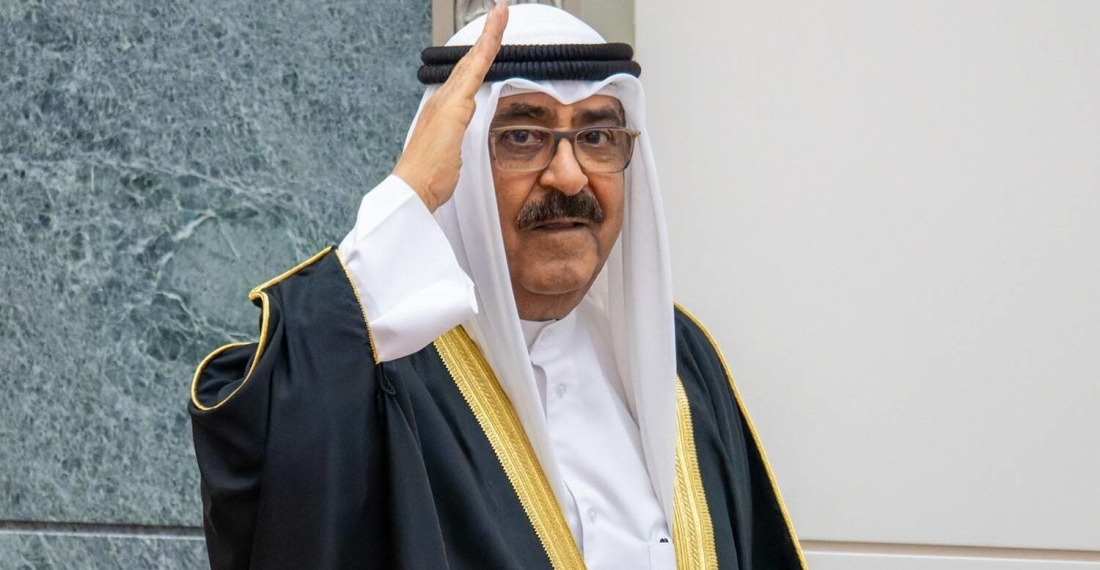
The wealth and earnings of the Sheikh of Kuwait are topics of intrigue and speculation, especially given Kuwait’s significant role in global oil production and its rich history of monarchy. Sheikh Sabah IV Al-Ahmad Al-Jaber Al-Sabah, the late Emir of Kuwait, was a pivotal figure in the country’s modern history. Understanding his wealth provides a window into the broader economic and political landscape of Kuwait. This article will explore the various aspects of the Sheikh’s wealth, earnings, and the historical context that shaped his financial status.
The Sheikh of Kuwait’s Wealth: An Overview
At the time of his death in 2020, Sheikh Sabah Al-Ahmad Al-Jaber Al-Sabah had an estimated net worth of $600 million. This figure, while significant, only scratches the surface of the economic influence he wielded as the Emir of Kuwait. The net worth attributed to him primarily reflects his personal assets and wealth, but it doesn’t fully encapsulate the financial resources and influence associated with the Kuwaiti royal family and the state’s vast oil reserves.
Kuwait, a small yet economically powerful nation in the Middle East, has long been known for its immense oil wealth. The ruling family, the House of Sabah, has controlled Kuwait’s political and economic landscape for centuries. The wealth of the Sheikh is intrinsically linked to the nation’s oil revenues, which account for the majority of Kuwait’s income.
Historical Context of Kuwait’s Wealth
Kuwait’s journey to becoming one of the world’s wealthiest nations is closely tied to the discovery of oil in the early 20th century. Before oil was discovered, Kuwait was a modest trading hub, known for its pearl diving industry and strategic location on the Persian Gulf. The discovery of oil in 1938 transformed Kuwait’s economy, catapulting it into global prominence.
The oil boom in the mid-20th century provided unprecedented wealth to Kuwait. The ruling Al-Sabah family, including Sheikh Sabah Al-Ahmad, played a crucial role in managing and distributing this wealth. They established a sovereign wealth fund, the Kuwait Investment Authority, which has grown to be one of the largest in the world. This fund, along with the nation’s vast oil reserves, forms the backbone of the wealth associated with the Kuwaiti monarchy.
The Role of the Emir: Power and Wealth
As the Emir of Kuwait, Sheikh Sabah Al-Ahmad Al-Jaber Al-Sabah was more than just a ceremonial figurehead. He wielded significant power over the country’s political and economic affairs. His role as Emir allowed him to influence Kuwait’s oil policy, oversee the management of its sovereign wealth fund, and guide the nation’s foreign relations.
Sheikh Sabah’s career in government began long before he became Emir in 2006. He served as Kuwait’s Foreign Minister for four decades, making him one of the longest-serving foreign ministers in the world. His diplomatic skills were instrumental in navigating the complex geopolitics of the Middle East, especially during periods of regional conflict and instability.
His tenure as Emir was marked by a blend of conservatism and modernity. He was known for his efforts to maintain Kuwait’s stability and neutrality in a volatile region, while also promoting humanitarian causes and modernization within the country. These efforts contributed to his international reputation as a mediator and humanitarian leader.
Earnings and Financial Management
The precise earnings of the Sheikh of Kuwait are difficult to ascertain due to the opaque nature of royal finances in the Middle East. However, it is known that the Emir’s income would have been derived from a combination of state resources, investments, and revenues generated from Kuwait’s oil industry.
The Al-Sabah family, like many other ruling families in the region, benefits from the control and management of the nation’s oil wealth. The family has access to substantial state resources, which are used to maintain their lifestyle, fund state functions, and invest in various global ventures. The Emir, as the head of this family, would have had significant influence over how these resources were allocated and managed.
In addition to state revenues, the Sheikh’s wealth also came from private investments. The Kuwaiti royal family has invested heavily in international markets, real estate, and various industries. These investments have helped to diversify their wealth and reduce their dependence on oil revenues.
Humanitarian and Diplomatic Contributions
Sheikh Sabah was widely recognized for his humanitarian efforts, which were often financed through both state resources and his personal wealth. He was a leading figure in regional and international humanitarian initiatives, particularly in response to crises in the Middle East. His contributions to disaster relief, refugee support, and public health initiatives earned him accolades from global leaders and organizations.
In 2014, the United Nations honored Sheikh Sabah with a humanitarian award, recognizing his contributions to global peace and welfare. This recognition was a testament to his efforts in using Kuwait’s wealth for philanthropic purposes, further enhancing his legacy as a benevolent leader.
Controversies and Challenges
While Sheikh Sabah was celebrated for his humanitarianism, his reign was not without controversy. His government was criticized for suppressing dissent and jailing critics, including journalists and political activists. This aspect of his rule highlights the tension between maintaining stability in a traditional monarchy and upholding modern democratic principles.
The jailing of opposition figures and critics, particularly during the Arab Spring, drew international attention and criticism. Despite these challenges, Sheikh Sabah managed to maintain his grip on power and navigate the complexities of ruling a wealthy but politically sensitive nation.
Conclusion
The wealth of the Sheikh of Kuwait, estimated at $600 million, reflects both his personal fortune and his role as the head of one of the world’s most resource-rich nations. Sheikh Sabah Al-Ahmad Al-Jaber Al-Sabah’s legacy is intertwined with Kuwait’s oil wealth, his diplomatic achievements, and his contributions to humanitarian causes.
His earnings and financial influence were rooted in the strategic management of Kuwait’s vast resources, the stability of the ruling Al-Sabah family, and the nation’s prominent position in global energy markets. As Kuwait continues to evolve, the legacy of Sheikh Sabah’s wealth and leadership will remain a significant chapter in the country’s history.


