
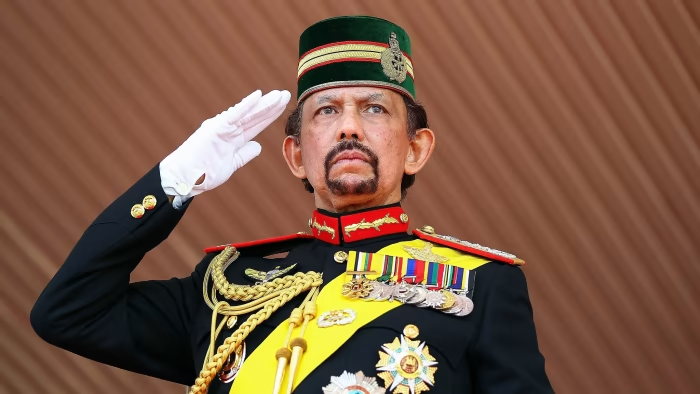
The Sultan of Brunei, Hassanal Bolkiah, is one of the wealthiest and most powerful monarchs in the world. Known for his extravagant lifestyle and immense fortune, his financial status is a topic of significant interest. This article delves into how much the Sultan of Brunei earns and explores his overall wealth, providing detailed insights, historical context, and explanations.
Sultan Hassanal Bolkiah’s Background and Career
Hassanal Bolkiah was born on July 15, 1946, in Bandar Seri Begawan, Brunei. He ascended to the throne on October 5, 1967, following the abdication of his father, Sultan Omar Ali Saifuddien III. As the 29th Sultan of Brunei, he has overseen the country’s development and maintained its status as one of the wealthiest nations due to its abundant oil and gas reserves.
Educated at the Royal Military Academy Sandhurst in the United Kingdom, Sultan Hassanal Bolkiah has played a critical role in Brunei’s political, economic, and cultural spheres. His leadership has focused on leveraging Brunei’s natural resources to build a prosperous and stable nation.
The Wealth of the Sultan of Brunei
As of the latest estimates, Sultan Hassanal Bolkiah’s net worth is approximately $30 billion. This substantial fortune places him among the wealthiest individuals globally. His wealth is derived from various sources, including the country’s oil and gas revenues, extensive real estate holdings, and numerous investments.
Earnings and Income Sources
The Sultan of Brunei’s earnings are derived from several key sources:
Oil and Gas Revenues: Brunei’s economy is heavily dependent on its oil and gas industry, which accounts for the majority of the country’s GDP. As the absolute monarch, Sultan Hassanal Bolkiah has significant control over these resources, which generate substantial revenue. The Sultan’s income is closely tied to the performance of the national oil company, Brunei Shell Petroleum, which is a joint venture between the Brunei government and Royal Dutch Shell.
State Budget Allocation: The Sultan receives a significant portion of the national budget for his personal and household expenses. This allocation covers various costs related to maintaining his palaces, funding royal ceremonies, and other official functions.
Real Estate Holdings: Sultan Hassanal Bolkiah owns extensive real estate properties in Brunei and internationally. These include palaces, luxury residences, commercial properties, and land. The most notable is the Istana Nurul Iman, the Sultan’s official residence, which is the largest residential palace in the world.
Investment Portfolio: The Sultan has a diversified investment portfolio, including stakes in various businesses and financial instruments globally. These investments yield dividends and capital gains, contributing to his overall earnings.
Luxury Assets: The Sultan is known for his collection of luxury cars, aircraft, and other high-value assets. While these are often seen as symbols of his wealth rather than income-generating assets, they add significantly to his net worth.
Historical Context and Influence
Understanding the Sultan of Brunei’s wealth requires examining the historical context and the evolution of Brunei’s economy. Brunei’s discovery of oil in the early 20th century transformed the nation’s economic landscape. The strategic partnership with Royal Dutch Shell enabled efficient extraction and exportation of oil, generating immense wealth for the country.
Sultan Hassanal Bolkiah’s reign has been characterized by efforts to modernize Brunei while maintaining its cultural and Islamic heritage. His administration has invested in infrastructure, education, and healthcare, leveraging the country’s oil wealth to enhance the quality of life for its citizens.
The Sultan’s personal fortune is intertwined with Brunei’s economic fortunes. His control over the country’s resources and revenues has allowed him to amass significant wealth while ensuring the stability and prosperity of Brunei.
Philanthropy and Legacy
Sultan Hassanal Bolkiah is also known for his philanthropic efforts. He has funded numerous charitable initiatives both within Brunei and internationally. These efforts include supporting education, healthcare, and disaster relief. The Sultan’s contributions reflect his commitment to improving the well-being of his people and extending aid to those in need globally.
The Sultan’s legacy is also evident in Brunei’s social policies. He has implemented various programs aimed at preserving Brunei’s cultural and religious values while promoting social welfare. His leadership has ensured that Brunei remains a stable and prosperous nation, albeit with a highly centralized governance structure.
Nuances and Detailed Insights
A closer look at the Sultan of Brunei’s financial strategies reveals a combination of state control and personal investment. The centralization of Brunei’s wealth under the monarchy has enabled efficient management and allocation of resources. The Sultan’s strategic investments in infrastructure and social programs have contributed to national development and personal wealth accumulation.
Moreover, the Sultan’s luxurious lifestyle, characterized by his vast collection of luxury cars, private jets, and palaces, underscores the scale of his wealth. These assets, while often seen as extravagances, are also symbols of his financial power and influence.
Challenges and Overcoming Adversity
The Sultan of Brunei’s reign has faced several challenges, including fluctuating oil prices and economic diversification. The reliance on oil and gas revenues makes Brunei’s economy vulnerable to global market changes. However, the Sultan’s leadership has focused on mitigating these risks through strategic investments and economic diversification efforts.
Additionally, Brunei’s political and social policies have occasionally attracted international criticism, particularly regarding human rights and freedom of expression. The Sultan has navigated these challenges by emphasizing the importance of cultural and religious values in shaping national policies.
Conclusion
Sultan Hassanal Bolkiah’s earnings and wealth are a reflection of his control over Brunei’s vast oil and gas resources, strategic investments, and luxurious lifestyle. With a net worth of around $30 billion, he stands as one of the wealthiest and most influential monarchs globally. His income sources include substantial revenues from oil and gas, state budget allocations, extensive real estate holdings, and a diversified investment portfolio.
The historical context of Brunei’s economic development and the Sultan’s strategic management of national resources provide a comprehensive understanding of his financial success. His philanthropic efforts further highlight his commitment to improving the well-being of his people and contributing to global charitable causes.
In summary, Sultan Hassanal Bolkiah’s financial profile is multifaceted, reflecting a life dedicated to maintaining and expanding his wealth, strategic investments, and meaningful contributions to society. His story is one of significant wealth and influence, underscored by his ongoing efforts to shape the future of Brunei and make a positive impact on the world.


