
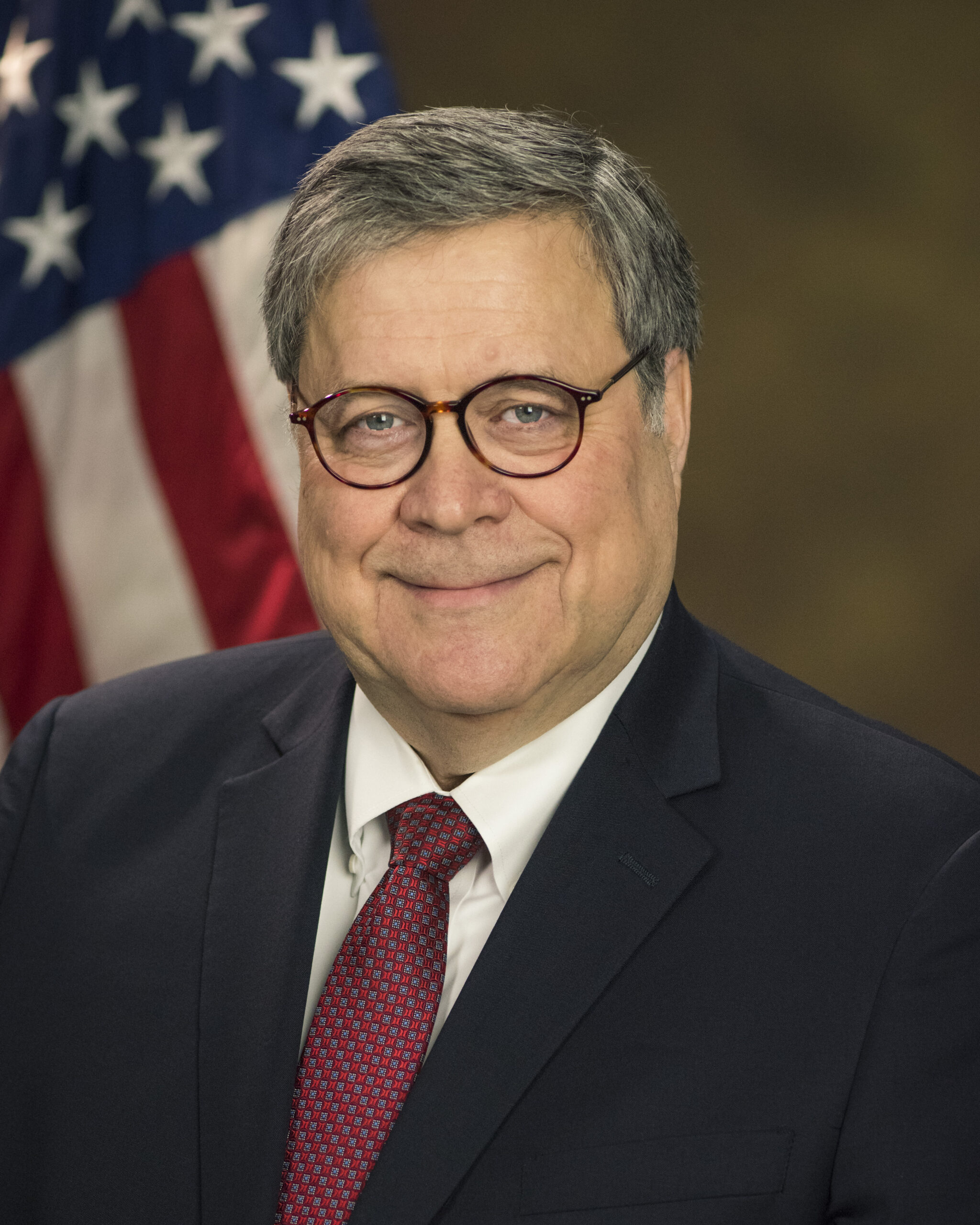
William Barr, a distinguished American lawyer and government official, has an estimated net worth of $50 million as of 2023. Barr is best known for serving as the United States Attorney General under Presidents George H. W. Bush and Donald Trump. His wealth is derived from a combination of his government service, lucrative positions in the private sector, and substantial retirement packages. This article delves into the various aspects of Barr’s career, his sources of income, and the historical context of his achievements.
Early Life and Education
William Pelham Barr was born on May 23, 1950, in New York City. He was raised in a Catholic household by his parents, Donald Barr and Mary Margaret Barr, both of whom were professors at Columbia University. His father later became the headmaster of the Dalton School in Manhattan and the Hackley School in Tarrytown. Barr grew up on the Upper West Side of Manhattan with his three brothers.
Barr attended the Horace Mann School, a prestigious prep school in New York City. He then enrolled at Columbia University, where he majored in government and graduated with a B.A. in 1971. Barr continued his education at Columbia, earning an M.A. in government and Chinese studies in 1973. During his time at Columbia, Barr began working for the Central Intelligence Agency (CIA) as a summer intern and later as an intelligence analyst.
To further his education, Barr enrolled as an evening student at George Washington University Law School while continuing his work with the CIA. He earned his Juris Doctor degree in 1977.
Career in Law and Government
Early Legal Career
After finishing law school, Barr spent a year clerking for a judge on the U.S. Court of Appeals for the D.C. Circuit. He then joined the law firm Shaw, Pittman, Potts & Trowbridge, where he worked from 1978 to 1989. During a brief hiatus from the firm, Barr served as Deputy Assistant Director for Legal Policy on the domestic policy staff at the Reagan White House from 1982 to 1983.
First Tenure as Attorney General
In 1989, President George H. W. Bush appointed Barr as Assistant Attorney General for the Office of Legal Counsel. The following year, Barr was promoted to Deputy Attorney General and served as Acting Attorney General when Richard Thornburgh resigned. Bush later officially nominated Barr as Attorney General, and he was confirmed by the Senate unanimously, taking office on November 26, 1991.
During his first tenure as Attorney General, Barr was known for his tough stance on crime. He advocated for increasing the United States’ incarceration rate, believing it would reduce crime. Barr also launched a surveillance program in 1992 to gather records of Americans’ international phone calls, which was controversial due to its lack of thorough legal review. He advised President Bush to pardon former defense secretary Caspar Weinberger, who was under investigation for his role in the Iran-Contra affair.
Private Sector Success
After his tenure as Attorney General, Barr transitioned to the private sector. He joined the telecommunications company GTE Corporation as Executive Vice President and General Counsel. When GTE merged with Bell Atlantic to form Verizon Communications, Barr played a key role in managing the merger and continued to serve as General Counsel. He retired from Verizon in 2008, earning a substantial salary and a $17 million pension plan as part of his retirement package.
Second Tenure as Attorney General
In 2019, President Donald Trump nominated Barr to succeed Jeff Sessions as Attorney General. Barr was confirmed by the Senate in a near party-line vote and took office in February 2019. During his second tenure, Barr was a staunch defender of Trump’s policies and faced criticism for his handling of the Mueller report and his interventions in the convictions of Trump advisors like Roger Stone and Michael Flynn. Barr also reinstated the federal death penalty after a nearly two-decade hiatus.
Wealth and Earnings
Federal Asset Disclosure
Barr’s most recent federal asset disclosure listed assets valued between $25 million and $75 million. His significant wealth comes from his successful private sector career, particularly his time at Verizon, where he earned $10 million per year in salary and received a generous retirement package.
Speaking Fees and Consultation Services
Between April 2022 and April 2023, Barr earned $8 million from speaking fees and providing legal consultation services. His high-profile roles and extensive experience in law and government make him a sought-after speaker and consultant.
Personal Life
In 1973, Barr married Christine Moynihan. The couple has three daughters: Mary, Patricia, and Margaret, all of whom have pursued careers in government. Barr’s personal life reflects his deep-rooted Catholic faith and his commitment to public service. He is a member of the National Catholic Prayer Breakfast and served on the board of the Catholic Information Center of the Archdiocese of Washington from 2014 to 2017.
Barr is also an avid bagpiper, a hobby he has pursued since the age of eight. He performed competitively in his youth and was once a member of the City of Washington Pipe Band.
Historical Context and Impact
William Barr’s career spans decades of significant changes in American law and politics. His work in both the public and private sectors reflects his belief in broad executive power and deregulation. Barr’s influence on the Department of Justice, particularly during his second tenure, brought the DOJ closer to the White House than at any other time in recent history.
Real Estate Investments
Barr’s substantial wealth has enabled him to invest in significant real estate properties. While specific details about his real estate holdings are not publicly available, it is common for individuals with similar wealth profiles to own properties in affluent areas and invest in real estate as a means of preserving and growing their wealth.
Conclusion
William Barr’s estimated net worth of $50 million underscores his successful career as a lawyer, government official, and corporate executive. His earnings from high-profile roles in both the public and private sectors, coupled with his substantial retirement package from Verizon, contribute to his considerable wealth. Barr’s career is marked by significant influence in American law and politics, and his legacy reflects his commitment to public service and his belief in strong executive power.


