
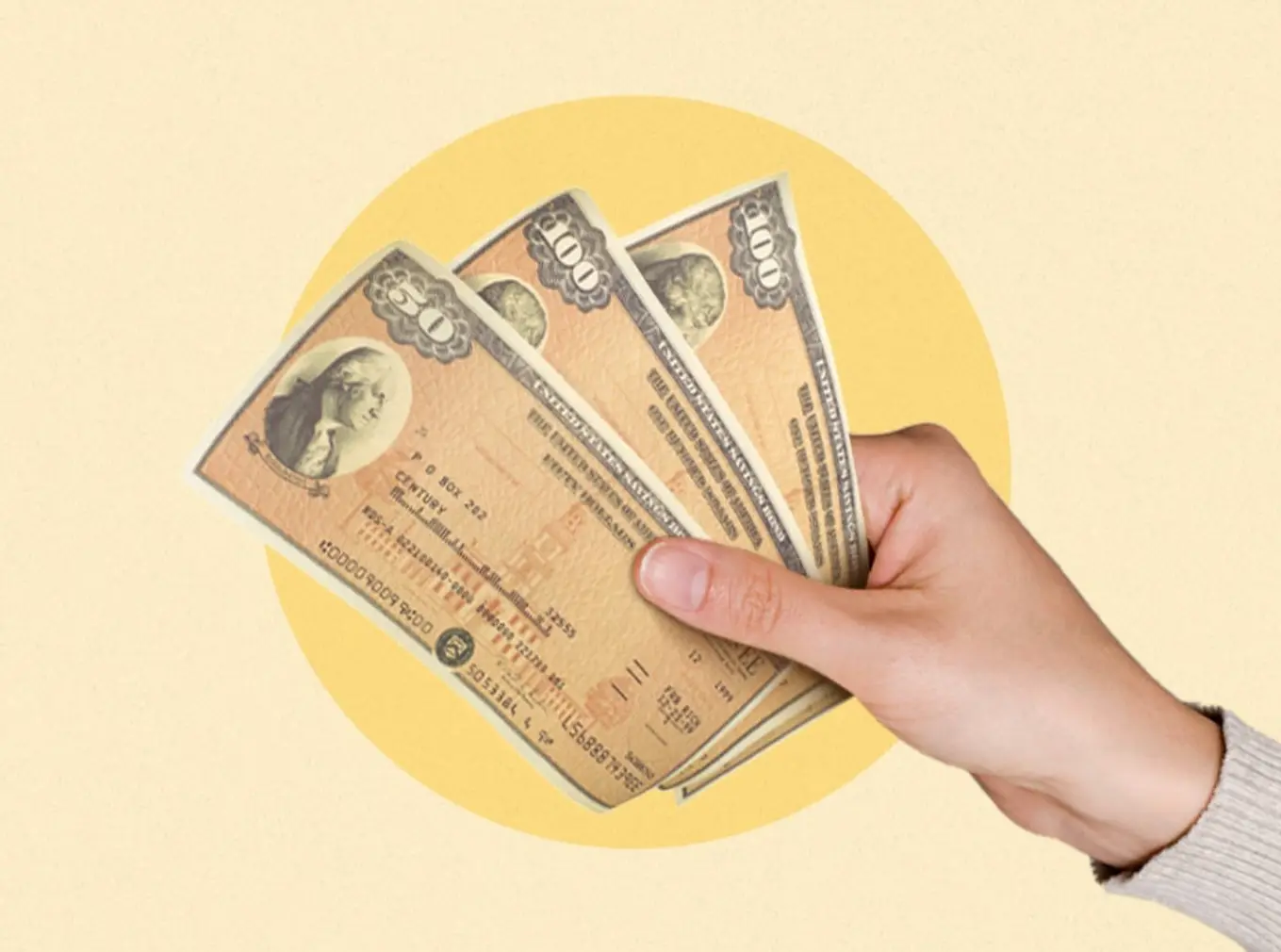
Fixed-income investors in the U.S. are rediscovering the value of Treasury Series Bonds—safe, predictable, and inflation-protected securities backed by the federal government. As interest rates stabilize, these instruments are once again becoming an essential tool for building stable portfolios.
This analysis shows exactly how much you can earn with the latest U.S. Treasury Series Bonds based on your investment amount, holding period, and yield scenario.
Key Takeaways
- Treasury Series Bonds pay 4.8–5.0% annual yields, depending on maturity and issue date.
- Interest compounds semiannually and is exempt from state and local taxes.
- Minimum purchase: $100, directly from TreasuryDirect.gov.
- Redeemable after one year, with penalties for early withdrawals before five years.
- Long-term holding (10+ years) provides strong compound growth.
Understanding Treasury Series Bonds
The U.S. Treasury Series includes Series I (inflation-adjusted) and Series EE (fixed-rate) bonds. Both are designed for savers seeking guaranteed returns without market risk.
- Series I Bonds: Adjust yield every six months based on the Consumer Price Index (CPI), offering inflation protection.
- Series EE Bonds: Pay a fixed rate (currently around 2.7%) and double in value if held for 20 years.
While the fixed-rate EE bonds are ideal for patient investors, I Bonds currently deliver better short- to mid-term yields due to inflation-linked adjustments.
How Much You Earn for Every $1,000
Assuming a 5.0% annual yield, compounded semiannually, the following table illustrates approximate returns:
| Holding Period | Initial Investment | Total Interest Earned | Total Value |
|---|---|---|---|
| 1 year | $1,000 | $50 | $1,050 |
| 3 years | $1,000 | $157 | $1,157 |
| 5 years | $1,000 | $276 | $1,276 |
| 7 years | $1,000 | $407 | $1,407 |
| 10 years | $1,000 | $629 | $1,629 |
These figures assume no withdrawals and reinvestment of interest. Actual yields for I Bonds will fluctuate based on inflation adjustments.
Example: Investing $10,000
| Period | Total Value | Profit |
|---|---|---|
| 1 year | $10,500 | $500 |
| 5 years | $12,762 | $2,762 |
| 7 years | $14,070 | $4,070 |
| 10 years | $16,290 | $6,290 |
Holding for longer periods magnifies compounding effects, making Treasury bonds especially powerful for medium-term savers.
Comparing Treasury Bonds to Other U.S. Investments
| Instrument | Yield (Oct 2025) | Liquidity | Risk | Federal Tax |
|---|---|---|---|---|
| Treasury Series Bonds (I) | 4.9–5.2% | Medium (1-year lock-in) | Very Low | Yes |
| Treasury Bills (1–12 months) | 5.0–5.3% | High | Very Low | Yes |
| High-Yield Savings Accounts | 4.4–4.7% | High | Low | Yes |
| CDs (1–5 years) | 4.6–5.1% | Medium | Low | Yes |
| Corporate Bonds (A-rated) | 5.5–6.0% | Medium | Medium | Yes |
Treasury Series Bonds stand out for government backing, long-term inflation protection, and strong tax efficiency.
How Inflation Affects Your Real Return
Inflation eats away at nominal returns. However, Series I Bonds mitigate this through semiannual CPI adjustments. With current inflation around 2.4%, the effective real yield remains near 2.5–2.6%, a positive figure compared to many savings products.
If inflation rises again, I Bond yields will adjust upward automatically—one of their most valuable features compared to fixed-rate instruments.
Should You Hold for 7 Years or More?
Holding longer enhances compounding and shields you from reinvestment risk. For example, $35,000 invested at 5% annual yield becomes roughly $49,000 after 7 years—a gain of $14,000, with zero credit risk.
If redeemed before five years, you lose the last three months of interest—but no principal. After year five, you can redeem anytime without penalty.
How to Buy and Manage
- Go to TreasuryDirect.gov.
- Open a TreasuryDirect account.
- Choose your bond type and amount ($100–$10,000 per year).
- Confirm purchase and hold electronically.
Interest accrues automatically. You can view balances, redeem bonds, or transfer them through the same portal.
Why Investors Are Returning to Treasuries
- Equity valuations remain stretched, and volatility is rising.
- The Federal Reserve has signaled a plateau in rates, supporting long-term bond stability.
- With inflation moderating but persistent, real returns on Treasuries remain compelling.
Institutional investors, from pension funds to retail savers, are reallocating to bonds for predictable income streams—a trend reminiscent of early 2000s market rotations.
Tax Efficiency
Interest from Treasury Bonds is subject to federal tax but exempt from state and local taxes—a key advantage over corporate bonds and CDs.
Investors can defer taxes until redemption, further improving after-tax returns.
Example Strategy: Laddering Treasury Bonds
A bond ladder splits your investment across multiple maturities—1, 3, 5, 7, and 10 years—to balance yield and flexibility.
| Year | Maturity | Yield | Allocation |
|---|---|---|---|
| 1 | T-Bill | 5.1% | 20% |
| 3 | I Bond | 4.9% | 20% |
| 5 | EE Bond | 2.7% (guaranteed double after 20 years) | 20% |
| 7 | I Bond | 5.0% | 20% |
| 10 | Treasury Note | 4.7% | 20% |
This setup ensures liquidity every few years while maintaining exposure to long-term compounding.
FAQ
Can I redeem before maturity?
Yes, after 12 months. You’ll forfeit three months of interest if before year five.
Is the interest rate fixed for Series I Bonds?
Partially—there’s a fixed base rate plus an inflation-linked component updated every six months.
Can I buy through a bank or broker?
Series I and EE bonds are only available directly from TreasuryDirect. Treasury Notes and T-Bills can be purchased via brokers.
How much can I buy per year?
Up to $10,000 per person per calendar year (electronic), plus $5,000 using tax refunds (paper format).
Conclusion
For investors seeking guaranteed returns and inflation protection, U.S. Treasury Series Bonds are among the most efficient tools available in 2025. With rates near 5% and full government backing, they deliver stability unmatched by corporate or bank products.
Whether investing $1,000 or $50,000, the math remains compelling: compounding interest and capital safety make Treasury bonds an essential part of any balanced portfolio.
Related reading on TheMarketCapitalist.com
- U.S. Treasury Bonds Explained: Everything You Need to Know in 10 Points
- Are Bonds Back? How to Rebuild a Fixed-Income Portfolio in 2025
- The Best Inflation Hedges for U.S. Investors This Year
External references:
- U.S. Department of the Treasury – Savings Bonds
- Federal Reserve – Interest Rate Data
- Bureau of Labor Statistics – CPI Inflation Reports
Disclaimer:
The information contained in this article is provided for educational and informational purposes only and does not constitute financial, investment, or other advice. Before making any investment decisions, readers should consult a qualified financial advisor. Past performance is not indicative of future results, and all investments carry risk. TheMarketCapitalist.com is not responsible for any losses resulting from the use of the information provided.


