
In the bustling world of business, it’s common knowledge that a well-crafted plan can make or break a startup. Particularly for niche Software as a Service (SaaS) companies targeting B2B (business-to-business) markets, having a targeted business plan is not just beneficial; it’s essential. Niche SaaS startups thrive on specialization, allowing them to hone in on specific markets with tailored solutions. But how do they create these targeted business plans? In this article, we will delve into the intricacies of crafting strategic business plans tailored to B2B SaaS startups, exploring essential steps and considerations to guide budding entrepreneurs.
Understanding the Niche
Before diving into business planning, it’s vital to understand what “niche” means in the context of SaaS. A niche market is a specialized segment of a larger market that is defined by its unique needs, preferences, or identity. For example, while general SaaS solutions are designed for a wide array of businesses, a niche SaaS product may cater specifically to veterinary clinics, real estate agencies, or niche e-commerce platforms.
Identifying and understanding your niche is the first step in creating an effective business plan. Conduct market research to identify pain points in your target industry and how your software can resolve them. Consider conducting surveys, interviews, and focus groups with potential customers. This will not only help you ascertain their needs and preferences but also establish a strong foundation for your business plan.
Market Analysis
Once the niche is defined, it’s imperative to dive deeper into market analysis. This involves examining competitors, understanding market size, and recognizing trends that may influence the niche. Competitive analysis helps identify gaps in your competitors’ offerings and highlights your unique value proposition (UVP).
To effectively conduct a market analysis, utilize tools such as SWOT (Strengths, Weaknesses, Opportunities, Threats) analysis to evaluate both your startup and your competition. Understanding the market landscape will enable you to position your product effectively and tailor your marketing strategies to attract your ideal customers.
Crafting the Value Proposition
Your Value Proposition (VP) is a critical element of your targeted business plan. It succinctly outlines how your SaaS product solves problems, improves experiences, or increases efficiency for your target audience. A strong VP communicates the unique benefits that differentiate your software from others in the market.
When creating your VP, consider the following:
-
Identify Core Benefits: What are the specific functionalities or features of your SaaS that directly address your niche audience’s needs?
-
Use Customer Language: Frame your value proposition in a way that resonates with your potential customers. Use terminology and phrases that reflect their industry standards and expectations.
-
Solution-Oriented Approach: Instead of focusing solely on product features, emphasize the solutions your software offers. How does it streamline operations? How does it save time and money?
Target Audience Segmentation
A successful targeted business plan can never overlook the importance of audience segmentation. Understanding who your ideal customers are will inform all aspects of your SaaS business, from product features to marketing strategies.
Segmentation can be based on various factors, including:
-
Industry: Divide your target market into subgroups defined by the industries they belong to (e.g., healthcare, finance, retail).
-
Business Size: Differentiate between small businesses, medium-sized enterprises, and large corporations, as their needs and purchasing power will vary.
-
Geography: Consider regional variations in needs and regulations, which can impact your product development and marketing efforts.
-
Behavior Patterns: Examine how potential customers search for solutions and their buying behavior to tailor your strategies effectively.
Marketing Strategy Development
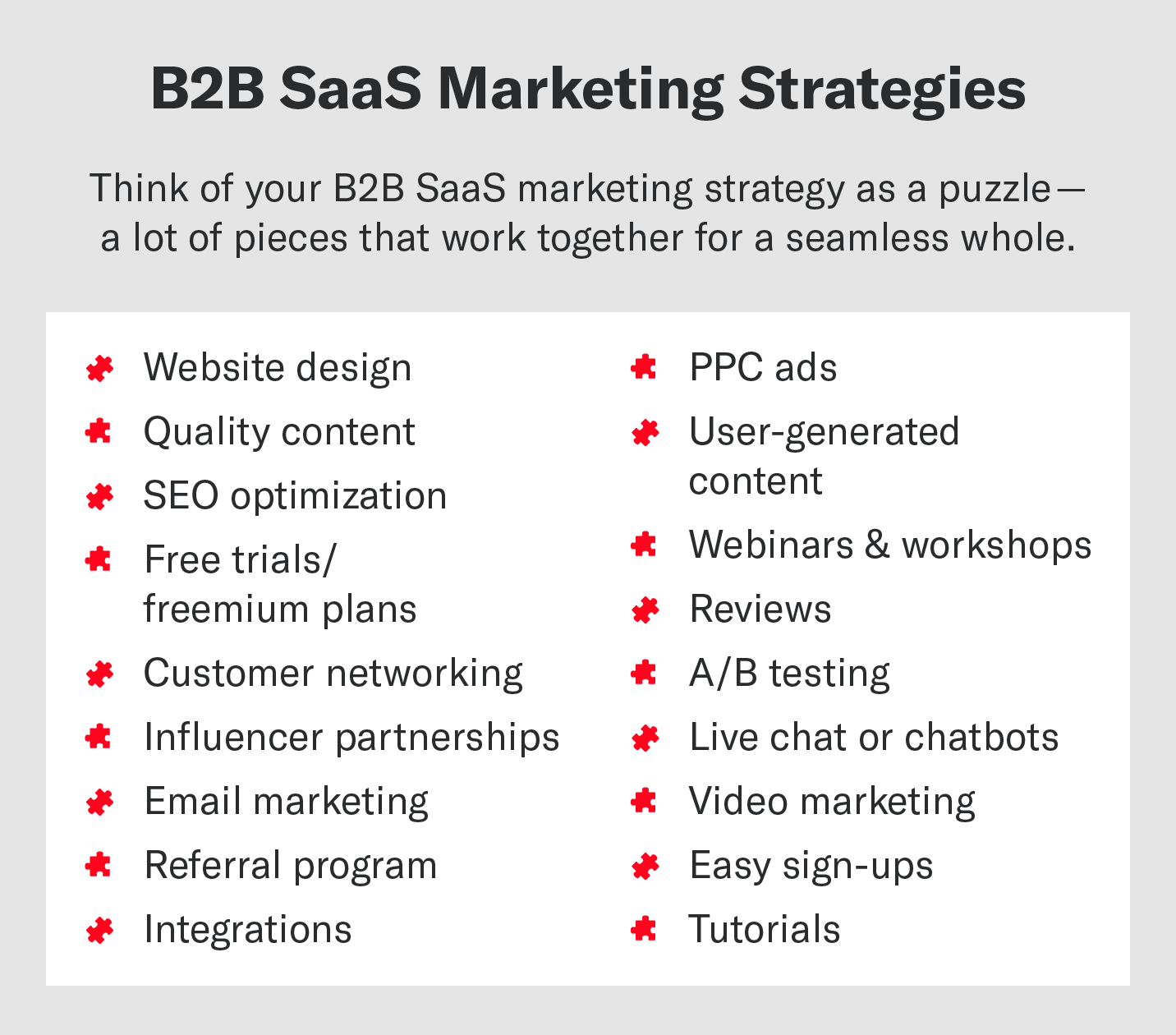
Once you have clarity on your value proposition and target audience, you can develop a targeted marketing strategy. Your marketing plan should comprehensively outline how to attract, engage, and convert your ideal customers.
-
Content Marketing: Produce high-quality, relevant content that addresses the pain points of your audience. This can include blog posts, whitepapers, case studies, and webinars. Content marketing serves to establish authority and build trust with potential customers.
-
SEO Optimization: Implement SEO strategies to improve visibility in search engines. Consider utilizing keywords that are specific to your niche to target potential leads effectively.
-
Social Media Marketing: Identify which social platforms your target audience frequents and tailor your presence accordingly. LinkedIn, for instance, could be an excellent platform for B2B marketing, while Instagram might suit niche products with strong visual appeal.
-
Paid Advertising: Consider using targeted ad campaigns on platforms like Google Ads or LinkedIn to reach specific demographics within your niche.

- Overcome negative thought patterns, reduce stress, and live a worry-free life
- Overthinking is the biggest cause of unhappiness
- Don't get stuck in a never-ending thought loop
- Stay present and keep your mind off things that don't matter, and never will
- Break free of your self-imposed mental prison
Building Partnerships and Networking
Networking is vital in any business, particularly for niche SaaS startups that depend on collaboration and relationships to succeed. Building partnerships with complementary businesses can create synergies that enhance your product offerings and expand your reach.
Engage in communities or associations within your industry to connect with potential partners and customers. Whether it’s attending conferences, webinars, or joining online forums, being present in industry conversations can yield invaluable insights and opportunities.
Financial Planning and Pricing Strategy
An effective business plan must also address financial considerations. Develop a detailed financial plan that encompasses startup costs, revenue projections, and operational expenses. Use data from your market research to estimate potential sales and secure funding, if needed.
When it comes to pricing strategy, consider different models such as:
-
Subscription-based Pricing: Charge customers a recurring fee for continuous access to your software.
-
Freemium Model: Offer basic features for free while charging for advanced functionalities—great for gaining traction among potential users.
-
Tiered Pricing: Provide different pricing levels based on features, allowing businesses to choose packages that best suit their needs.
Pricing should reflect the value provided, competitive landscape, and your target audience’s willingness to pay.
Iterative Development and Feedback
The world of SaaS is constantly evolving; thus, your business plan should allow for flexibility and iterative development. After launching your product, solicit feedback from customers regularly. Use their insights to improve your offering and develop new features that align with their needs.
Engagement post-launch is crucial. It not only builds customer loyalty but also provides valuable data for future enhancements. Consider asking users to participate in beta tests, where they can give direct feedback on new functionalities before wider release.
Conclusion: The Road to Success
Creating a targeted business plan for a niche SaaS startup entails a comprehensive understanding of the market, a solid grasp of your audience, and a clear strategy for engaging potential customers. By focusing on a niche market, you are positioned to build meaningful relationships and deliver tailored solutions that meet specific needs.
The journey to a successful SaaS startup is filled with challenges, but with a well-structured business plan, entrepreneurs can navigate the complexities of the B2B environment effectively. As you embark on this exciting venture, remember that adaptability and continuous improvement are vital keys to sustaining success in the competitive world of niche SaaS.
With a commitment to understanding your audience and delivering unmatched value, your niche SaaS startup can flourish, driving both customer satisfaction and business growth. Remember, it’s not just about selling software; it’s about creating lasting solutions that empower businesses and foster efficiency in their operations. So embrace the journey and watch your niche SaaS startup soar to new heights!


