
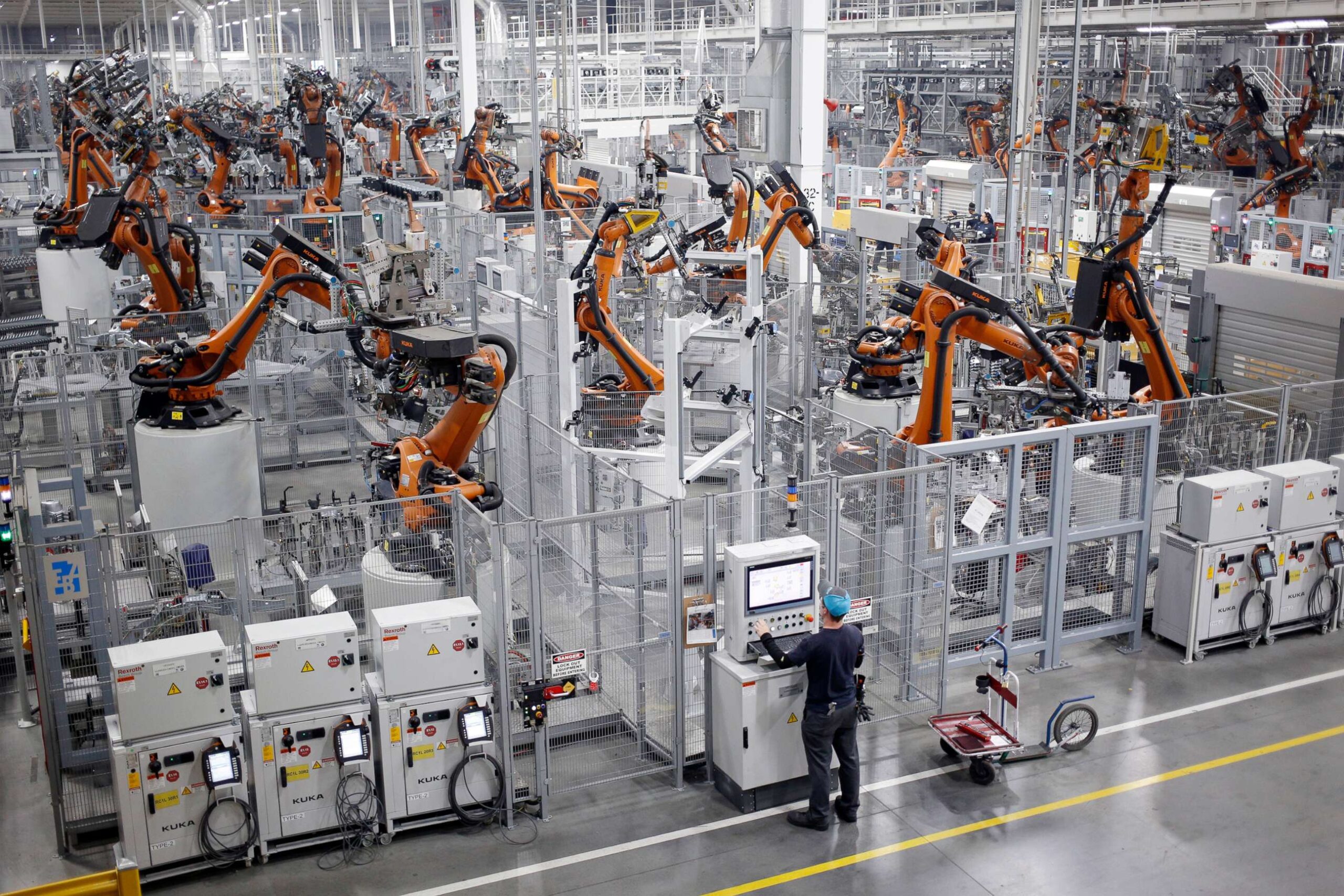
In recent years, robotics has become a buzzword in various industries, particularly in manufacturing. As technology continues to evolve at breakneck speed, many are left wondering how these advancements are reshaping the future of work. In this article, we will explore the impact of robotics on manufacturing jobs, discussing both the challenges and opportunities this technological revolution presents for workers, companies, and the economy as a whole.
The Rise of Robotics in Manufacturing
The adoption of robotics in manufacturing is not a new phenomenon. Industrial robots have been employed for decades, automating repetitive tasks that require precision, speed, and consistency. However, advancements in artificial intelligence (AI) and machine learning have significantly boosted the capabilities of robots, allowing them to perform increasingly complex tasks.
Today, robots can do much more than just assemble products on a production line—they can adapt to different tasks, learn from their environments, and even collaborate with human workers. From small-scale production to massive assembly lines, robotics is transforming how goods are manufactured and delivered.
Efficiency and Productivity Gains
One of the most significant advantages of incorporating robotics in manufacturing is the increase in efficiency and productivity. Robots can work around the clock without the need for breaks, which can lead to significant improvements in output. For instance, a study by McKinsey Global Institute revealed that automating just a fraction of activities in manufacturing could increase productivity by up to 30%.
Companies that invest in robotics can potentially lower their production costs, allowing them to reinvest those savings in innovation and growth. This can give them a competitive edge in an increasingly global economy where speed and cost-effectiveness are paramount.
The Changing Landscape of Manufacturing Jobs
As robots take over routine and repetitive tasks, the landscape of manufacturing jobs is undergoing a significant transformation. While some roles may become obsolete, new opportunities are emerging. Here’s a closer look at how robotics is changing the nature of work in manufacturing:
Job Displacement vs. Job Creation
A common concern surrounding the rise of robotics in manufacturing is the potential for job displacement. Indeed, as robots become capable of performing tasks once carried out by humans, certain jobs may vanish. However, it’s essential to recognize that while some positions may decline, many others will emerge.
For example, the introduction of robotics systems increases the demand for skilled workers who can design, program, and maintain these machines. As a result, workers who adapt their skills to meet the demands of the new workplace can benefit from greater opportunities.
Upskilling the Workforce
To thrive in an era of automation, upskilling the workforce is crucial. Companies are realizing the importance of investing in employee training programs that equip workers with the necessary skills to operate and collaborate with robots. Workers trained in coding, robotics maintenance, and data analysis will be invaluable in this evolving landscape.
Organizations that prioritize training not only help their employees remain relevant in the job market but also foster a culture of innovation and adaptability that can drive business success.
Embracing Human-Robot Collaboration
Instead of viewing robots as direct competitors to human workers, many industries are beginning to adopt a collaborative approach. Cobots (collaborative robots) are designed to work alongside humans, assisting them with tasks that require precision and strength. This teamwork can lead to safer work environments and increased overall productivity.
For instance, in a car manufacturing plant, a robot might handle heavy parts while a human assembles intricate components. By combining the strengths of both humans and robots, manufacturers can create a more efficient and effective production line.
The Impact on the Economy
The integration of robotics into manufacturing does not only affect individual businesses; it has broader implications for the economy. Here are some ways robotics is influencing economic dynamics:
Increased Competitiveness
As companies adopt robotics, they often become more competitive in global markets. Lower production costs and higher output can lead to better pricing, improved product quality, and faster service for consumers. This increased competitiveness can stimulate economic growth and job creation in sectors beyond manufacturing.

- Overcome negative thought patterns, reduce stress, and live a worry-free life
- Overthinking is the biggest cause of unhappiness
- Don't get stuck in a never-ending thought loop
- Stay present and keep your mind off things that don't matter, and never will
- Break free of your self-imposed mental prison
Regional Economic Shifts
The rise of automation in manufacturing may result in shifts in regional economies. Areas traditionally reliant on manufacturing jobs may need to adapt to changing demands as companies adopt robotic solutions. As a consequence, some regions may experience job losses while others benefit from new opportunities in tech and engineering roles.
Innovation and New Industries
Advances in robotics are also driving innovation, leading to the formation of new industries. For instance, the growth of robotics has spurred developments in machine vision, AI, and sensor technology, creating entirely new markets and job categories aimed at fostering further technological advancements.
Case Studies: Robotics in Action
To better understand the impact of robotics on manufacturing jobs, let’s look at a couple of real-world examples showcasing significant transformations in the industry.
Case Study 1: Ford Motor Company
Ford has long been an innovator in manufacturing processes, and its recent embrace of robotics exemplifies the shift toward automation. By implementing advanced robotics into its assembly lines, Ford has not only improved efficiency but also enhanced worker safety. Robots handle particularly hazardous tasks, reducing the risk of workplace injuries while allowing human workers to focus on complex troubleshooting and quality control processes.
Case Study 2: Amazon Robotics
Amazon is another excellent example of how robotics is revolutionizing manufacturing and logistics. The company’s acquisition of Kiva Systems in 2012 led to the introduction of automated guided vehicles in its fulfillment centers. These robots streamline the picking and packing process, enabling Amazon to fulfill orders at lightning speed. While some traditional roles have been eliminated, Amazon has also created thousands of new jobs in programming, robotics repair, and operations management.
The Future of Robotics in Manufacturing
Looking ahead, the future of robotics in manufacturing appears bright, with continuous advancements on the horizon. Here are a few trends to watch for:
Rise of AI and Machine Learning
As AI technology continues to evolve, robots will become even more autonomous and intelligent. The integration of machine learning algorithms allows robots to analyze data, learn from experiences, and optimize performance without human intervention. This could lead to increasingly sophisticated applications across various stages of the manufacturing process.
Internet of Things (IoT) Integration
When combined with IoT technology, robotics can provide deeper insights into manufacturing processes. Connected devices can communicate with each other and share data in real time, enhancing operational efficiency and enabling predictive maintenance that reduces downtime.
Ethical Considerations and Regulation
As robotics continue to gain a foothold in manufacturing, ethical considerations will come to the forefront. Questions about job displacement, worker rights, and the socio-economic impacts of automation are critical considerations that policymakers, businesses, and organizations must address. Striking a balance between technological innovation and the welfare of the workforce will be key to a successful transition.
Conclusion: A New Era for Manufacturing
As we’ve explored, robotics is not merely redefining manufacturing jobs; it’s heralding a new era in the industry. While the transition may come with challenges, the potential benefits—ranging from increased efficiency and productivity to job creation in emerging fields—are substantial.
The key to navigating this transformation lies in adaptability. By investing in education and training, workers can equip themselves with the skills they need to thrive in an increasingly automated world. Embracing collaboration between humans and technology will empower industries to leverage the strengths of both, ultimately driving innovation and growth.
As we witness this remarkable evolution, it’s essential to maintain an open dialogue about the implications of robotics in manufacturing and society at large. The future may be uncertain, but one thing is clear: robotics is here to stay, and its impact will shape the next generation of manufacturing jobs for years to come.


