
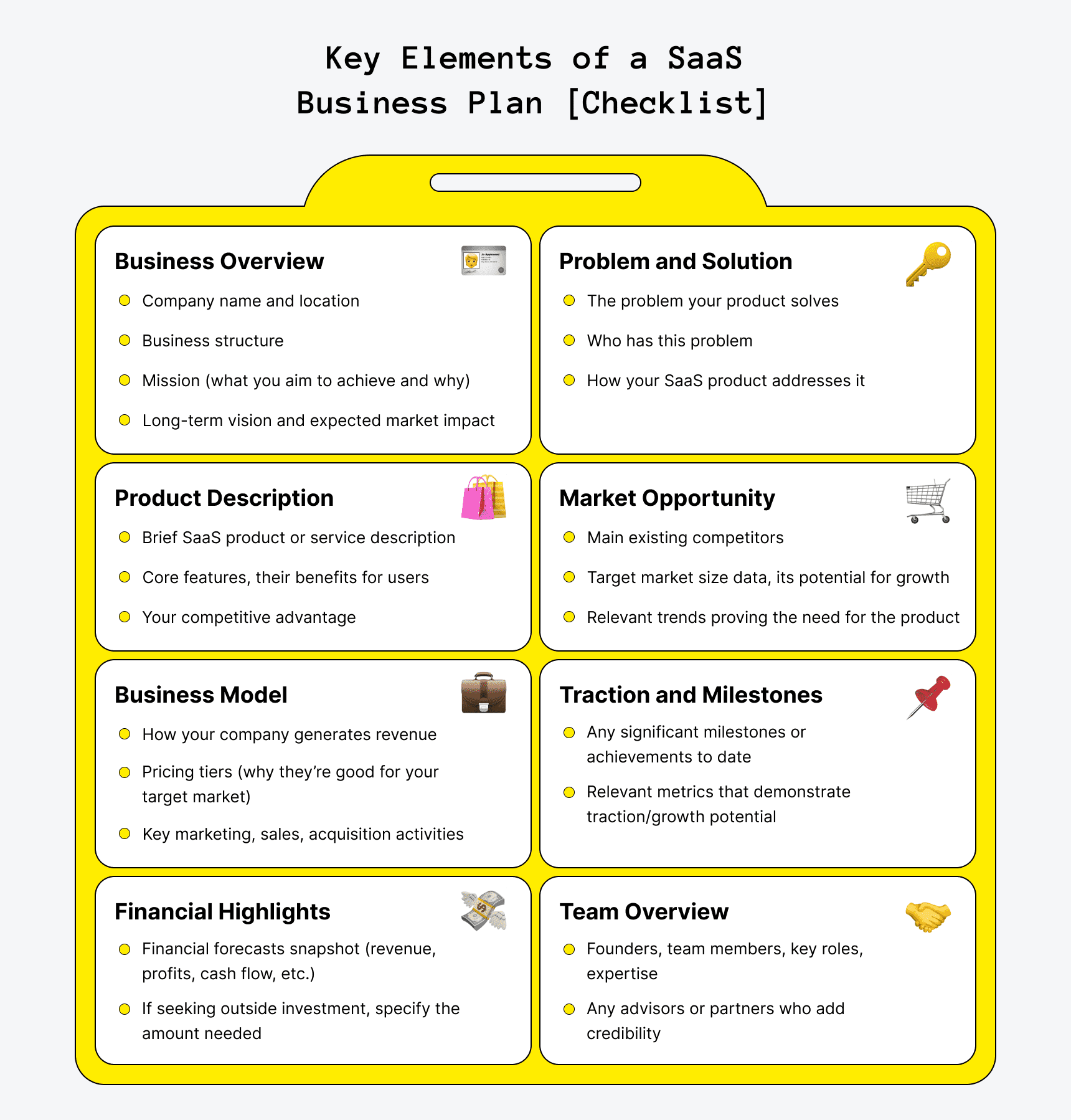
In the dynamic landscape of technology, Software as a Service (SaaS) startups have emerged as crucial players, attracting substantial investments. However, the journey from a fledgling startup idea to a successful SaaS business is fraught with challenges, rhetoric, and importantly, investor expectations. Aligning business plans with these expectations is not just beneficial — it’s essential for growth, sustainability, and credibility. This article demystifies how SaaS startups can effectively align their business plans with investor expectations, ensuring they not only secure funding but also foster long-term partnerships.
Understanding the Unique Landscape of SaaS Startups
Before delving into alignment strategies, it’s crucial to understand what makes SaaS startups unique. SaaS is a subscription-based software delivery model, which means recurring revenue streams are central to the business model. Unlike traditional software that relies on one-time sales, SaaS businesses benefit from ongoing customer engagement and a close-knit relationship with their user base. This continuity generates predictable cash flow, a factor that strongly appeals to investors.
However, while the model has its benefits, SaaS startups face specific challenges — high customer acquisition costs, atmospheric competition, and the constant need for product innovation. Addressing these challenges while meeting investor expectations requires a well-thought-out strategy.
The Investor’s Perspective
Investors are not just passive financiers; they are strategic partners who look for robust business plans that indicate potential for exceptional returns. Their expectations often include:
-
Scalability: Investors want to see that a SaaS startup’s business model can scale. This means the startup should have plans for growth that don’t disproportionately increase operational costs.
-
Churn Rate: Retaining customers is crucial for any SaaS business. High churn rates alarm investors who view this as a signal that the product may lack market fit or that the competition is too daunting.
-
Customer Acquisition Cost (CAC): Investors scrutinize how much it costs to acquire a customer versus the lifetime value (LTV) of that customer. A positive ratio (LTV/CAC) indicates a viable business model.
-
Market Demand: A clear demonstration of market demand showcases perceived value, customer interest, and the startup’s competitive edge. Investors want startups that can articulate their market fit convincingly.
-
Team Composition: A solid, experienced team can make or break a startup. Investors often look at team backgrounds to assess their ability to execute the business plan.
Building an Effective Business Plan
A business plan serves as the blueprint for your startup’s operations, strategy, and growth. Here’s how to construct a robust business plan that aligns with investor expectations:
1. Comprehensive Market Analysis
Your business plan should start with extensive market research that paints a clear picture of the opportunity. Identify target demographics, assess competitive landscape, and demonstrate a thorough understanding of market needs.
-
Tools to Consider: Utilize tools like SEMrush, Ahrefs, or Google Trends to gather insights on market demand and trends.
-
Competitor Analysis: Evaluate competitors’ offerings, pricing, and customer feedback. Establish your unique value proposition (UVP) clearly.
2. Clearly Defined Metrics
Metrics are critical in demonstrating the health of your SaaS business. Define the key performance indicators (KPIs) that matter most to your business objectives and to your investors.
Some essential metrics to include are:
- Monthly Recurring Revenue (MRR)
- Annual Recurring Revenue (ARR)
- Churn Rate
- Customer Lifetime Value (CLTV)
- Customer Acquisition Cost (CAC)
Be transparent about your current numbers and your projected growth, backing these projections with data and reasonable assumptions.
3. Scalable Growth Strategies
Investors appreciate a growth strategy that is both realistic and ambitious. Discuss your customer acquisition channels — whether it’s through paid ads, content marketing, partnerships, or a combination — and how these will scale as the business grows.
-
Case Studies: Include examples of successful SaaS companies that have precisely executed growth strategies and how your approach parallels theirs.
-
Pilot Programs: Consider proposing pilot programs that will help you test the waters without expending excessive resources.

- Overcome negative thought patterns, reduce stress, and live a worry-free life
- Overthinking is the biggest cause of unhappiness
- Don't get stuck in a never-ending thought loop
- Stay present and keep your mind off things that don't matter, and never will
- Break free of your self-imposed mental prison
4. Addressing Team Strengths
The team behind a SaaS startup is just as integral as the product itself. Highlight team members’ relevant experiences, their track records, and their roles in achieving success.
-
Advisors and Mentors: Adding reputable advisors can bolster your credibility. Mention any notable advisors or board members who add value and guidance to your startup.
-
Cultural Fit: Describe how team culture fosters innovation, resilience, and accountability. Investors want to see a well-rounded team that works collaboratively.
5. Financial Projections and Use of Funds
Be precise yet realistic when detailing financial projections. Include forecasts for at least three to five years. Outline where the investor’s money will be allocated — such as product development, marketing, or hiring.
-
Contingency Plans: Highlight possible scenarios and how you intend to navigate challenges, which instills confidence in investors that you have pragmatic strategies in place.
-
Exit Strategy: Provide insight into potential exit strategies, as this is a crucial consideration for investors who want to understand how and when they might see a return on their investment.
Building Relationships with Investors
Beyond merely aligning your business plan with investor expectations, building a genuine relationship is vital for the long-term health of your startup.
1. Communication
Effective and transparent communication should be a cornerstone of your relationship with investors. Regular updates, whether through email or formal meetings, can keep investors informed and engaged.
- Monthly Reports: Send financial and operational updates monthly, providing clarity and reinforcing accountability within your team.
2. Value Creation
Think beyond the immediate funding needs; focus on creating value for your investors. This could mean inviting them to company events, allowing them input in strategic decisions, or collaborating on networking opportunities.
3. Cultivating Trust
Investors are more likely to back startups they trust. Ensure you meet deadlines, adhere to budgets, and maintain transparency (even when facing setbacks). Trust fosters loyalty, and loyal investors can be more forgiving in difficult times.
Leveraging Feedback for Growth
Once you have aligned your business plan, it’s essential to continuously iterate based on feedback from your investors. Regular check-ins can help identify pain points and areas for improvement, enabling your startup to adapt swiftly.
1. Feedback Loops
Establish feedback mechanisms where investors can share insights into your product and strategy. This could involve formal meetings or casual check-ins that encourage open dialogue.
2. Emphasizing Learnings
Don’t shy away from discussing failures and what you learned from them. Investors respect humility and an ability to pivot based on reflective learning.
Conclusion
Aligning a SaaS startup’s business plan with investor expectations is more than just a strategic maneuver; it’s about creating a vision that prioritizes growth, sustainability, and innovation. By understanding the investor’s perspective, building a comprehensive business plan filled with real data and metrics, cultivating trust, and maintaining open communication, SaaS startups can navigate the complexities of securing investment while fostering long-term relationships.
As SaaS continues to evolve, those startups that stay aligned with investor expectations will thrive, making significant impacts in the ever-expanding realm of technology. With the right foundations in place, the journey toward growth and success becomes not only achievable but also a compelling journey for all stakeholders involved.


