
Unlocking The Secrets of Satellite Phones: A Guide to Functionality And Advantages
Are you an adventurer, mountaineer, or botanist seeking to explore remote areas without interruptions? Do you need a reliable means of communication in emergency situations? Look no further than satellite phones! In this article, we’ll delve into the world of satellite phones, exploring their functionality, advantages, and prices. By the end of this guide, you’ll be well-equipped to make an informed decision about whether a satellite phone is right for you.
How Satellite Phones Function
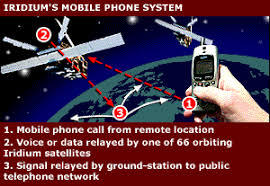
Satellite phones use satellites in orbit around the Earth to connect calls between two parties. Unlike traditional cellular networks, which rely on ground-based towers to transmit signals, satellite phones communicate directly with satellites, allowing them to reach remote areas or regions where cellular coverage is limited.
The process begins when a user initiates a call using their satellite phone. The signal is transmitted to the nearest satellite, which then relays it to another satellite or directly to the destination. This technology enables users to make and receive calls even in areas with no traditional cellular coverage.
Understanding The Role of Repeater Towers
Repeater towers play a crucial role in maintaining continuous communication services. These towers emit radio signals that cover large areas, allowing multiple users to connect simultaneously. However, when faced with obstacles like mountains or buildings, repeaters can become ineffective.
In such cases, satellite phones step in as a reliable means of communication. By using satellites to transmit and receive signals, they bypass the limitations imposed by ground-based towers.
The Limitations of Satellite Phones
While satellite phones offer unparalleled flexibility in remote areas, there are some caveats to consider. The technology is not without its challenges, including:
- Higher costs compared to traditional cellular services
- Larger device sizes and weights
- Limited availability and coverage areas
Despite these limitations, satellite phones remain a vital tool for individuals and organizations that require reliable communication in remote or emergency situations.
The Different Types of Satellites
There are two primary types of satellites used for communication: Geostationary (GEO) and low-Earth orbit (LEO). GEO satellites operate at high altitudes, covering vast areas with several satellites. LEO satellites, on the other hand, orbit closer to the Earth’s surface, offering faster transmission speeds and lower latency.
Satellite Phones in Daily Life
While satellite phones are primarily used for emergency communication or remote adventures, some individuals and organizations have adapted them for daily use. For instance, companies like Garmin offer satellite-enabled devices that can be used for general communication purposes.
The Cost of Satellite Phones
Prices for satellite phones vary widely depending on the device’s features, functionality, and coverage area. Basic models start around €200-€300, while advanced options can exceed €1,500. When considering a satellite phone, think about your specific needs and budget.
Thuraya Xt-lite: A High-tech Option
The Thuraya XT-LITE is a high-end satellite phone that boasts advanced features like improved battery life, GPS positioning, and additional functions. This device is ideal for those who require reliable communication in extreme conditions or remote areas.
Iridium 9575 Extreme Phone: A Powerful Option
The Iridium 9575 Extreme Phone is another top-of-the-line option that offers exceptional performance and features. With its durable design and advanced capabilities, this phone is perfect for users who need a reliable means of communication in emergency situations or remote areas.
Garmin Inreach Mini 2: A Compact Satellite Communicator
The Garmin InReach Mini 2 is a compact satellite communicator designed for use in remote areas or emergency situations. This device offers a range of features, including GPS positioning, messaging capabilities, and even a built-in flashlight.
Conclusion
Satellite phones are an essential tool for individuals and organizations that require reliable communication in remote or emergency situations. While they come with higher costs and limitations compared to traditional cellular services, their flexibility and reliability make them indispensable for those who need them most. By understanding the functionality, advantages, and prices of satellite phones, you can make an informed decision about whether this technology is right for your needs.
Frequently Asked Questions
- What is a satellite phone?
- How does a satellite phone work?
- What are the advantages of using a satellite phone?
- Are satellite phones expensive?
- Can I use a satellite phone in daily life?
- What types of satellites are used for communication?
- Can I choose from different coverage areas and prices for satellite phones?
Conclusion
In conclusion, satellite phones offer unparalleled flexibility and reliability in remote or emergency situations. While they may come with higher costs and limitations compared to traditional cellular services, their importance cannot be overstated. By understanding the functionality, advantages, and prices of satellite phones, you can make an informed decision about whether this technology is right for your needs.
This article aims to provide a comprehensive guide to satellite phones, covering their functionality, advantages, and prices. Whether you’re an adventurer, mountaineer, or botanist seeking reliable communication in remote areas, or simply someone looking for an alternative means of communication, we hope this article has provided valuable insights and information.


