
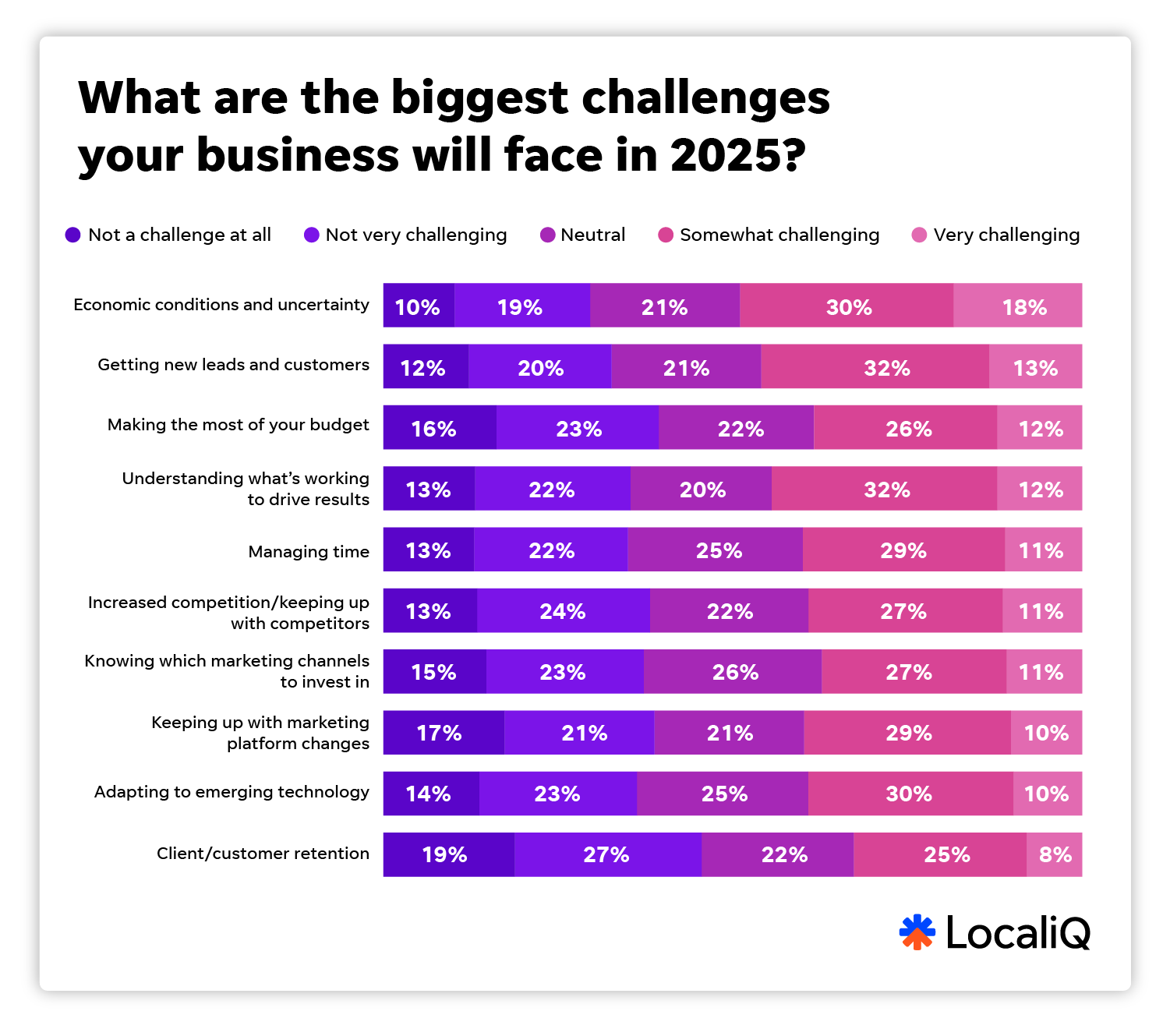
In an age of ever-evolving commerce and fierce competition, small businesses often find themselves in the shadow of larger corporations. As we look ahead to 2025, the question on every small business owner’s mind is: how can we compete with these corporate giants? In this article, we will explore actionable strategies, emerging trends, and insightful practices that can empower small businesses to thrive in a landscape dominated by big players.
Understanding the Landscape of 2025
Before diving into strategies for small businesses, it’s crucial to understand the environment in which they will be operating. By 2025, we can expect several key shifts in the marketplace:
-
Increased Digital Emphasis: The pandemic has accelerated the transition to digital. E-commerce sales, once on the rise, have now become the backbone of retail. Small businesses must harness digital channels to reach their audience effectively.
-
Sustainability and Ethical Business Practices: Consumers are not just looking for products; they want to support sound business practices. Sustainability, ethical sourcing, and community involvement will be deciding factors for the modern consumer.
-
Data-Driven Decision Making: As data analytics tools become more accessible, small businesses can leverage insights to drive personalized experiences, product recommendations, and marketing strategies.
-
Evolving Consumer Behavior: In 2025, millennials and Gen Z will make up a significant portion of consumers. Their preferences lean towards authenticity, experiences, and brands that resonate with their values.
With these dynamics shaping the business landscape, let’s explore how small businesses can not only survive but thrive.
Strategies for Competing with Big Corporations
1. Embrace Digital Marketing
Small businesses often have limited marketing budgets compared to their larger counterparts. However, digital marketing offers a cost-effective way to reach a targeted audience. Focus on:
- Search Engine Optimization (SEO): By optimizing your website for search engines, you can increase your visibility and drive more organic traffic.
- Social Media Marketing: Use platforms like Instagram, Facebook, and TikTok to engage with your audience, showcase your products, and tell your brand’s story.
- Email Marketing: A well-curated email list allows businesses to communicate directly with potential customers, share promotions, and nurture relationships.
2. Leverage Niche Markets
One of the advantages small businesses have is their ability to serve niche markets effectively. By identifying and catering to specialized customer needs, small businesses can carve out a unique position in the market. Consider:
- Personalization: Customize products or services to cater to specific customer preferences.
- Unique Offerings: Provide products or services that are hard to find or not offered by larger companies.
3. Provide Exceptional Customer Experience
In a world where customer loyalty is hard to earn, small businesses can cultivate strong relationships through exceptional service. Strategies include:
- Personal Touch: Remembering customer names, preferences, and past purchases can foster loyalty.
- Responsive Support: Quickly addressing customer queries and complaints can make a lasting positive impression.
- Building Community: Host events, workshops, or meetups that create a sense of belonging among your customers.
4. Utilize Technology and Automation
While small businesses may not have the resources of large corporations, technology can help level the playing field. Consider:
- Cost-Effective Tools: Use software solutions for inventory management, marketing automation, and customer relationship management (CRM).
- Data Insights: Leverage analytics tools to gain insights into customer behavior, preferences, and trends.
5. Focus on E-commerce and Omnichannel Strategies
As e-commerce continues to rise, small businesses must have an online presence. Developing an e-commerce platform relevant to your target audience is essential. Consider:
- User-Friendly Website: Ensure your website is easy to navigate, visually appealing, and mobile-responsive.
- Integrated Channels: Offer a seamless experience across online and offline platforms. For instance, allow customers to order online and pick up in-store.

- Overcome negative thought patterns, reduce stress, and live a worry-free life
- Overthinking is the biggest cause of unhappiness
- Don't get stuck in a never-ending thought loop
- Stay present and keep your mind off things that don't matter, and never will
- Break free of your self-imposed mental prison
6. Collaborate with Local Businesses
Collaboration can amplify the reach of small businesses. Think about:
- Cross-Promotion: Partner with other local businesses to share resources, co-host events, or create bundled offerings.
- Community Involvement: Support local causes, create partnerships with non-profits, and get involved in community activities. This builds brand goodwill and fosters customer loyalty.
7. Invest in Employee Development
Small businesses often rely on their staff for exceptional service and representation of the brand. Investing in employee development can lead to:
- Improved Employee Engagement: Happy employees bring positive energy and attitude, improving customer interactions.
- Skill Development: Regular training can keep your team up-to-date on industry trends and enhance their abilities.
Staying Competitive in 2025
8. Monitor Industry Trends and Innovations
To stay relevant, small businesses must keep their fingers on the pulse of industry trends. Tools like Google Trends, industry reports, and competitor analysis can help you understand market dynamics.
9. Flexible Business Models
The ability to pivot quickly is essential in the fast-paced business world. Small businesses should:
- Stay Agile: Be prepared to alter product offerings, marketing strategies, or even business models in response to changing market conditions.
- Experiment: Don’t be afraid to test new ideas, products, or marketing channels. Experimenting allows you to identify what works best for your business.
10. Build an Authentic Brand
Consumers increasingly support brands that resonate with their values. Building an authentic brand involves:
- Storytelling: Share your journey, values, and mission through your marketing materials.
- Transparency: Communicate openly about your sourcing, manufacturing processes, and business practices.
11. Utilize User-Generated Content
Encouraging customers to share their experiences can be a powerful marketing tool. User-generated content (UGC) not only builds community but also serves as authentic testimonials for your brand.
12. Offer Subscription Models or Loyalty Programs
Promoting repeat business through subscriptions or loyalty programs can increase customer retention. Consider:
- Rewards Programs: Implement systems where customers earn points for purchases, referrals, or social media engagement.
- Subscription Boxes: Curate products that can be delivered monthly to create customer anticipation and strengthen loyalty.
Conclusion
As we approach 2025, small businesses have the opportunity to redefine competition with larger corporations. By capitalizing on their inherent strengths — such as flexibility, community focus, and customer relationships — small businesses can leverage innovative strategies to carve out their niche in the market.
Embracing digital transformation, prioritizing exceptional customer experiences, and harnessing technology will be crucial. Importantly, maintaining authenticity and connection with local communities will distinguish small businesses in an increasingly corporate world.
In this evolving landscape, small businesses that nurture creativity, innovation, and a commitment to their customers will not only survive but also thrive alongside the giants. With determination and a strategic approach, small businesses can compete effectively and make a significant impact in their industries, shaping the future of commerce in 2025 and beyond.


