
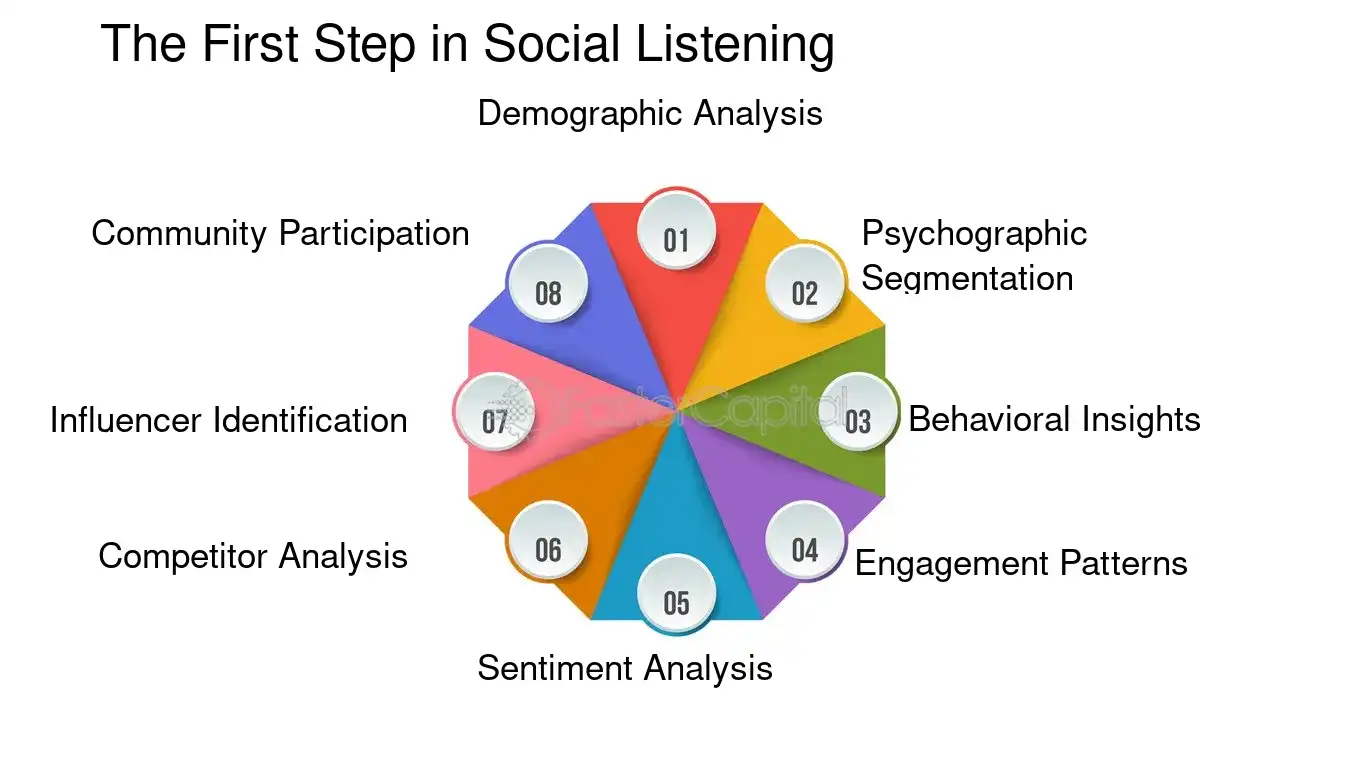
In today’s fast-paced digital landscape, businesses are constantly looking for innovative ways to connect with their audience, enhance their brand visibility, and remain competitive. With an overwhelming amount of data generated every single day, one of the most effective tools at marketers’ disposal is social listening. This technique not only streamlines communication with the audience, but it also transforms marketing strategies by leveraging valuable consumer insights. In this article, we will dive deep into how social listening can invigorate your marketing strategy, explore its various benefits, and provide actionable tips on how to implement it effectively.
Understanding Social Listening
Before delving into the benefits and applications of social listening, it’s essential to understand what the term means. Social listening involves monitoring social media platforms and online channels for mentions of your brand, products, or relevant topics. It goes beyond simple keyword tracking; it encompasses not only what is being said about your brand but the sentiment behind those conversations as well.
Key Components of Social Listening:
- Monitoring Conversations: This involves following discussions around your brand, products, and industry-related topics.
- Analyzing Sentiment: Understanding whether the conversations are positive, negative, or neutral.
- Identifying Trends: Spotting emerging trends that relate to your industry can provide insights into consumer behavior and preferences.
- Engagement: Responding to conversations, whether they are fans or critics, and showing your audience that you’re listening.
The Benefits of Social Listening
Implementing a social listening strategy can yield a multitude of benefits for your marketing efforts. Let’s take a closer look at how it can transform your overall marketing strategy.
1. Gain Valuable Insights
One of the most significant advantages of social listening is the ability to gather actionable insights from real consumers. You can learn what your target audience cares about, what questions they have, and what challenges they face. This newfound knowledge can help tailor your marketing campaigns to address the specific needs and desires of your audience.
2. Enhance Customer Engagement
Social listening allows businesses to engage directly with their customers in a timely manner. By responding to feedback or questions, companies can improve customer satisfaction and build a loyal community around their brand. Engaging with your audience gives you a unique opportunity to foster relationships and create advocates for your brand.
3. Monitor Brand Reputation
In the digital age, where information spreads rapidly, maintaining a positive brand reputation is crucial. Social listening enables you to monitor sentiment around your brand effectively. By identifying potential crises before they escalate, you can address negative feedback proactively and keep your brand’s reputation intact.
4. Identify Influencers and Advocates
Social listening can help you identify key influencers and advocates within your industry. By analyzing who is talking about your brand and whom your audience is following, you can engage with these individuals to expand your reach and influence. Collaborating with recognized influencers can elevate your brand’s visibility and credibility.
5. Keep an Eye on Competitors
Incorporating social listening into your marketing strategy isn’t just about monitoring your brand; it also gives you an edge over your competitors. By analyzing competitors’ mentions, customer feedback, and overall sentiment, you can understand what they’re doing right—and wrong. This insight can help you identify gaps in the market and refine your own strategies for success.
6. Drive Product Development
Consumer feedback gathered through social listening can be invaluable for your product development cycle. Understanding what features customers like or dislike can guide your product improvements and innovation, ultimately resulting in a more customer-centric approach.
7. Shape Content Strategy
The insights gathered through social listening can inform your content marketing strategy. Knowing what topics resonate with your audience allows you to create targeted content that speaks directly to their interests and needs. This targeted approach can drive engagement and improve your overall content performance.
Implementing Social Listening into Your Marketing Strategy
Now that we’ve explored the numerous benefits of social listening, you might wonder how to effectively integrate it into your marketing strategy. Here are several actionable steps that you can take:

- Overcome negative thought patterns, reduce stress, and live a worry-free life
- Overthinking is the biggest cause of unhappiness
- Don't get stuck in a never-ending thought loop
- Stay present and keep your mind off things that don't matter, and never will
- Break free of your self-imposed mental prison
1. Choose the Right Tools
The first step in implementing social listening is selecting the right tools. Numerous platforms, such as Hootsuite, Sprout Social, and Brandwatch, offer social listening capabilities that can help you monitor mentions, analyze sentiment, and track engagement. Select a tool that aligns with your specific needs and budget.
2. Identify Key Metrics
To measure the effectiveness of your social listening efforts, it’s essential to identify key performance indicators (KPIs). Some useful KPIs might include sentiment analysis, engagement rates, share of voice, and volume of mentions. Establishing these metrics helps you track improvements and make informed decisions.
3. Set Up Alerts
Setting up alerts can keep you informed of brand mentions and relevant conversations. Most social listening tools offer alerts that notify you of mentions across various platforms, enabling you to respond quickly and maintain customer engagement.
4. Analyze Data and Trends
Once you’ve gathered data, it’s crucial to analyze it thoroughly. Look for trends in consumer behavior, common questions, and sentiment shifts over time. This analysis can help you make data-driven decisions about your marketing strategy and content initiatives.
5. Engage with Your Audience
Social listening isn’t just about monitoring; it’s also about engagement. When you identify a mention or a conversation related to your brand, interact with the commenter. Whether it’s answering a question or thanking someone for a compliment, these engagements foster a sense of community and loyalty among your audience.
6. Refine Your Marketing Strategies
Utilize the insights gained from social listening to refine your marketing strategies continuously. Whether fine-tuning your ad targeting, revising your messaging, or adjusting your content calendar, let consumer insight inform your marketing roadmap.
7. Stay Updated on Industry Trends
Incorporate social listening as an ongoing part of your marketing strategy. Trends and consumer preferences can change quickly, so monitoring discussions in real time allows your brand to stay relevant and competitive.
Overcoming Challenges in Social Listening
While social listening presents numerous benefits, it also comes with potential challenges. Here are a few common obstacles and how to address them:
1. Information Overload
With a plethora of data available, it can be overwhelming to sift through everything. Focus on specific metrics and keywords relevant to your brand and industry to narrow down the information you analyze.
2. Negative Feedback
Receiving negative feedback can be disheartening, but it’s essential to view it as an opportunity for growth. Use constructive criticism to improve your products and services, and respond to criticism in a professional manner.
3. Time-Consuming
Social listening can be time-intensive, especially for businesses with large volumes of data. To alleviate this, consider using automation tools that can simplify the monitoring and reporting process.
4. Keeping Up with Trends
Consumer preferences and industry trends evolve rapidly, which can be challenging to keep up with. Set a regular schedule to assess the data collected and adjust your strategies accordingly.
Conclusion: The Future of Marketing with Social Listening
In the age of information, understanding consumer behavior has never been more critical. Social listening isn’t just a tool; it’s a transformative strategy that can revolutionize how you approach marketing. By leveraging insights from social media conversations, enhancing engagement efforts, and continuously refining your strategies, you position your brand for success in an increasingly competitive landscape.
Implementing social listening into your marketing strategy requires commitment and adaptability. However, the benefits—richer consumer insights, better engagement, crisis management, and more—are invaluable. As businesses increasingly pivot to data-driven strategies, social listening will undoubtedly remain a vital component of effective marketing campaigns. Start today, and witness how social listening can reshape your marketing strategy for the better.


