
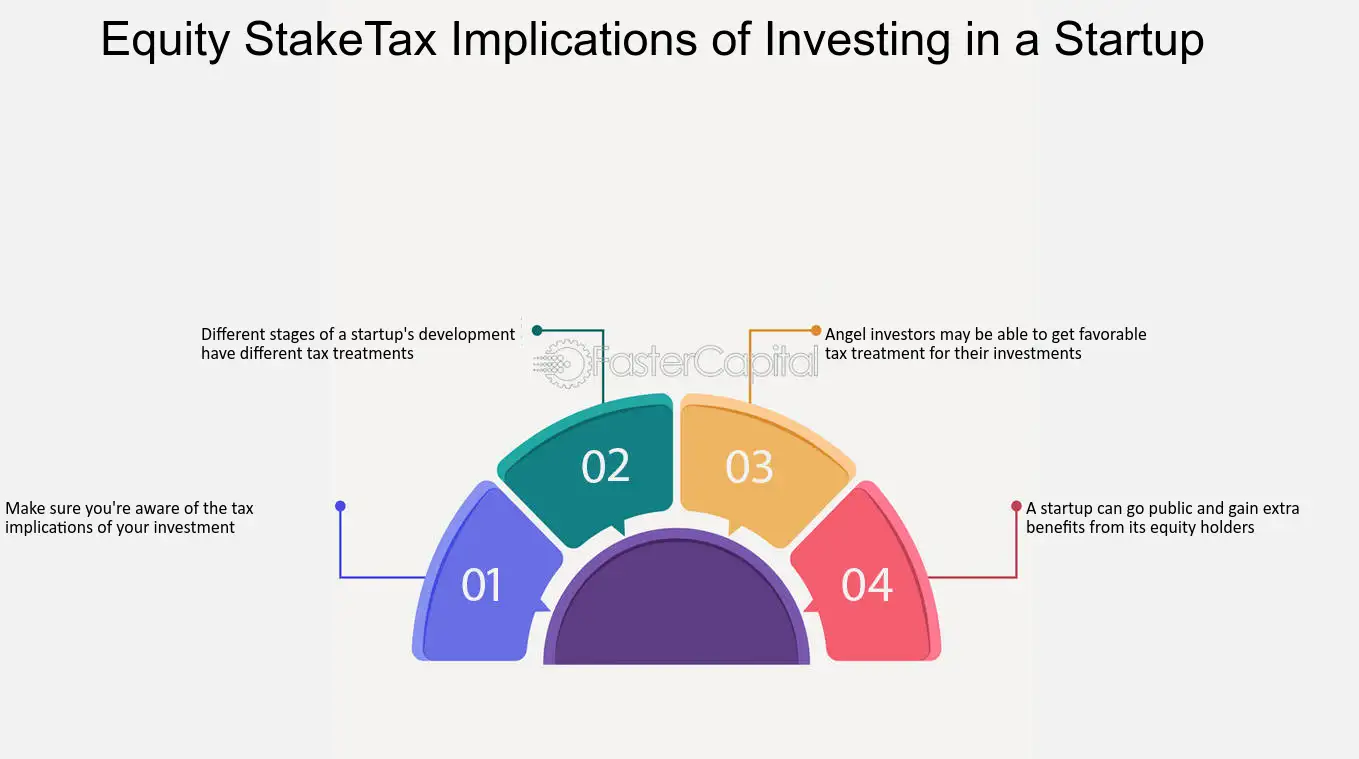
In the dynamic world of startups, equity deals are a crucial aspect of how businesses grow, attract talent, and secure funding. However, beneath the surface of these deals lies a complex web of tax implications that can significantly impact both founders and investors. Whether you’re an entrepreneur looking to delve into the world of equity financing or an investor aiming to navigate these waters wisely, understanding the tax implications of startup equity deals is paramount. In this article, we will explore the various forms of startup equity, how they affect taxes, and best practices to ensure a favorable outcome for all parties involved.
Understanding Startup Equity
Before we dive into tax implications, let’s clarify what equity in a startup means. Equity represents ownership in a company, which can be distributed in various forms, including stock options, common stock, preferred stock, and restricted stock.
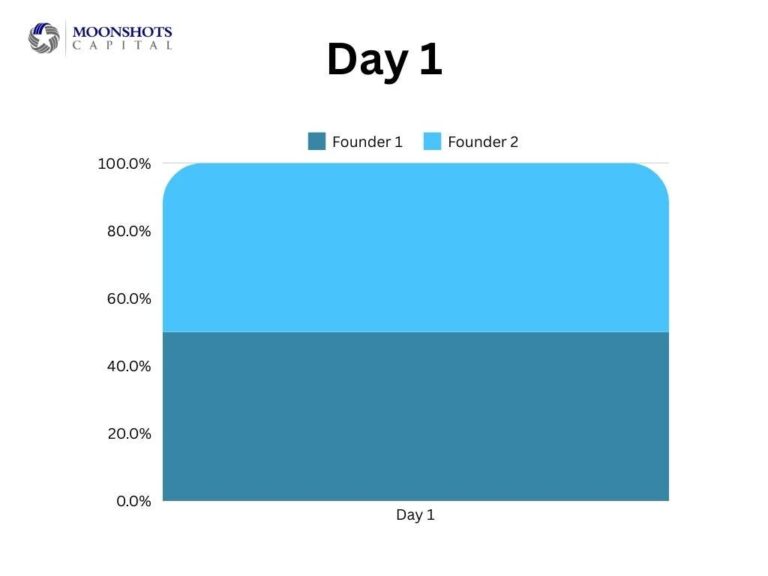
- Common Stock: Usually held by founders and employees, common stock represents ownership and typically comes with voting rights.
- Preferred Stock: Often given to investors, this type of stock provides rights to dividends and assets in case the company is liquidated.
- Stock Options: These options give employees the right to purchase shares at a predetermined price.
- Restricted Stock: This is stock that is given but comes with limitations on transferability until certain conditions are met, such as vesting.
The Role of Equity Deals
Equity deals can take various forms, including convertible notes, SAFEs (Simple Agreements for Future Equity), and direct stock issuance. Each type of deal has its own unique implications for founders and investors, especially when it comes to taxes.
Tax Implications for Founders
1. Ordinary Income vs. Capital Gains
The taxation of equity deals for founders primarily hinges on how the equity is treated when it is vested. When founders receive stock options or restricted stock, the tax treatment can differ significantly based on whether the gains are classified as ordinary income or capital gains.
- Ordinary Income: This is tax on income earned from wages, salaries, or other sources, usually taxed at a higher rate than capital gains. If a founder receives stock options and exercises them when the company is valued higher than the option price, the difference is taxed as ordinary income when the options are exercised.
- Capital Gains: If the stock is held for more than a year after exercise, any profits from its sale can be taxed at a lower capital gains rate when it is sold. Therefore, timing around the sale of equity can have substantial tax ramifications.
2. 83(b) Election
Founders receiving restricted stock can choose to make an 83(b) election, which allows them to recognize the income upon grant rather than waiting until the shares vest. The key benefit of this election lies in the ability to minimize future tax burdens. When the stock appreciates over time, only the initial value at the grant date is subject to ordinary income tax, while future capital gains will be taxed at the lower capital gains rate.
3. Self-Employment Tax
Founders who are actively working in their startup may have to pay self-employment taxes on their income. However, equity compensation might not be subject to self-employment tax, which can mitigate the overall tax burden.
Tax Implications for Investors
1. Capital Gains Tax
For investors, the implications of startup equity deals are often tied to capital gains tax. As an investor sells their equity stake in a startup, any gain over the initial investment amount is typically considered a capital gain, subject to either short-term or long-term capital gains tax rates.
- Short-term Capital Gains: If the asset is held for less than a year, it’s taxed at the investor’s regular income tax rate, which can be significantly higher.
- Long-term Capital Gains: If held for more than a year, these gains are taxed at preferential rates, making it beneficial for investors to hold onto their stakes longer.

- Overcome negative thought patterns, reduce stress, and live a worry-free life
- Overthinking is the biggest cause of unhappiness
- Don't get stuck in a never-ending thought loop
- Stay present and keep your mind off things that don't matter, and never will
- Break free of your self-imposed mental prison
2. Qualified Small Business Stock (QSBS)
The IRS offers a significant tax incentive for investors in qualifying startups under Section 1202, commonly known as the Qualified Small Business Stock provision. If certain conditions are met, gains from the sale of QSBS held for more than five years may be excluded from federal income tax, which can amount to substantial savings.
3. Losses and Tax Credits
Investors can use losses from startup investments to offset other gains. If an investment goes south, investors have the option of claiming losses, which can reduce their overall tax burden. Capital losses can offset capital gains, and if losses exceed gains, individuals can use up to $3,000 of net capital loss against other income.
Structuring Equity Deals to Optimize Tax Outcomes
Navigating the tax complexities associated with startup equity requires thoughtful planning and strategic structuring. Here are some ways founders and investors can optimize their tax outcomes.
1. Understand the Deal Structure
Being clear on how the equity deal is structured from the onset can help predict future tax liabilities. Engage in conversations with tax advisors and legal professionals to ensure the most tax-efficient structure is in place.
2. Timing Your Equity Transactions
Timing is everything in the world of taxes. For founders, carefully considering when to exercise stock options or sell restricted stock can lead to substantial tax savings. For investors, maintaining investments long enough to qualify for long-term capital gains treatment can significantly lower tax burdens.
3. Make Use of Tax-Advantaged Accounts
Both founders and investors can explore utilizing tax-advantaged vehicles, such as self-directed IRAs or 401(k)s, to invest in startups. These accounts can provide a shield from immediate taxation, allowing growth to compound without tax implications until distributions are made.
Seeking Professional Guidance
Given the complexities of tax law surrounding startup equity, seeking out professional guidance cannot be overstated. Tax advisors with experience in startups can provide tailored advice that accommodates unique situations faced by founders and investors.
Common Pitfalls and Considerations
- Ignoring Vesting Schedules: Many founders underestimate the importance of understanding their vesting schedules, which can lead to unforeseen tax implications.
- Not Considering Exit Strategies: Investors should think about exit strategies right from the investment stage. Understanding how taxation will impact their return can be crucial.
- Underestimating the Importance of Documentation: Properly documenting equity transactions is essential for ensuring compliance and easing tax filing.
Conclusion
Equity deals are an integral part of the startup ecosystem, fostering growth and innovation. However, they come with intricate tax implications that founders and investors must understand to optimize their financial outcomes. By realizing the impact of different forms of equity, leveraging tax strategies like the 83(b) election or QSBS, and working with professionals, stakeholders can navigate this complex landscape effectively.
In the end, the goal is to facilitate growth while minimizing tax burdens, ensuring that both founders and investors can focus on what really matters: building successful and sustainable businesses.
Whether you are just starting your entrepreneurial journey or you are an experienced investor, staying informed about tax implications surrounding startup equity is crucial. The right knowledge today can pave the way for greater financial security tomorrow.


