
Running a startup is an exhilarating journey filled with highs and lows, creativity, and entrepreneurial spirit. As a founder, you’re not just juggling your product, market fit, and team dynamics; you’re also navigating the complex world of taxes. One major aspect that often gets overlooked in the hustle and bustle of growing your business is how to optimize your personal tax liability through strategic business structures. In this article, we’ll explore various business formations and strategies that can help you minimize your tax burden while maximizing your financial benefits as a startup founder.
1. Understanding Personal Tax Liability
Before diving into business structures, it’s important to grasp the concept of personal tax liability. Generally, personal tax liability arises from income that you, as an individual, earn, which can include wages from any employment, business income, dividends, and more. In the context of a startup, the money you take from your business in the form of salaries, dividends, or distributions can significantly affect your personal tax situation.
For startup founders, understanding and managing this personal liability is crucial not just for immediate tax implications but also for long-term financial health. The key strategy lies in choosing the right business structure that allows you to legally reduce your income and, subsequently, your tax obligations.
2. Business Structures Explained
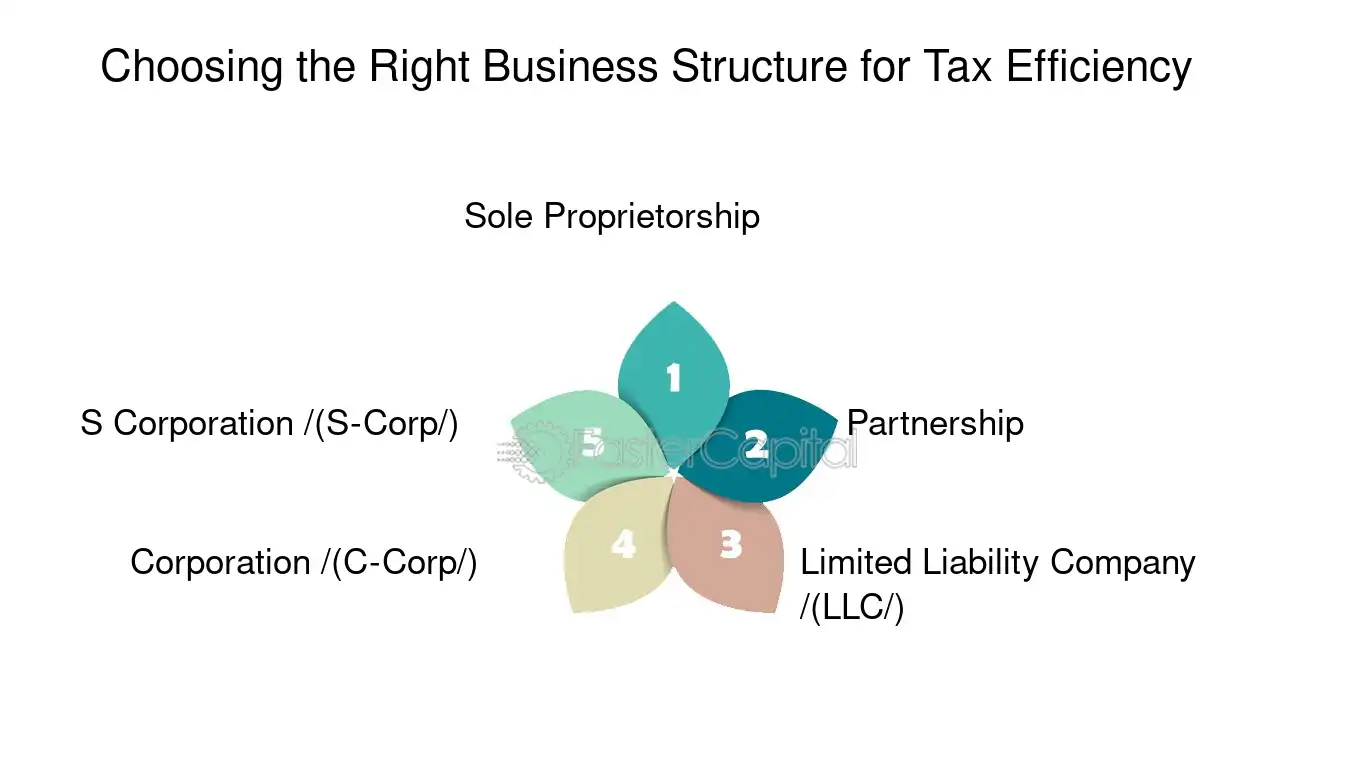
The type of business structure you choose can considerably impact your tax liability. Here’s an overview of the most common business entities suitable for startups:
a. Sole Proprietorship
A sole proprietorship is the simplest and most common structure. This form is easy to set up with minimal legal requirements. However, the downside is that all profits are taxed as personal income, meaning you bear the full burden of the tax liability. Unless you are operating on a very small scale, this option may not be the most tax-efficient structure for a startup founder.
b. Limited Liability Company (LLC)
An LLC is a popular choice among startup founders because it merges the flexibility of a sole proprietorship with the liability protection of a corporation. LLCs offer pass-through taxation, meaning that the business income is passed directly to the owners’ personal tax returns. This can help a founder avoid double taxation, but if profits are significant, it still might lead to high personal tax liability.
c. S Corporation
An S Corporation is a tax designation for corporations that elect to pass corporate income, losses, deductions, and credits through to shareholders for federal tax purposes. As a founder, taking a salary that reflects reasonable compensation and then distributing the remaining profits as dividends can significantly reduce your overall tax liability. The dividends are not subject to self-employment taxes, which is a significant benefit. However, there are specific requirements to qualify as an S Corporation, including limits on the number of shareholders.
d. C Corporation
A C Corporation, the standard corporation structure, is taxed separately from its owners. While the corporate tax rate may be lower than individual income rates (especially with reduced rates in recent years), founders face double taxation: once at the corporate level and again when profits are distributed as dividends. However, a C Corp may be advantageous if the founder plans to reinvest all profits back into the business rather than draw them as personal income. Moreover, C Corps can deduct many business expenses before distributing profits, which can help lower taxable income.
e. Limited Partnership (LP)
A limited partnership includes general and limited partners. As a general partner, you bear unlimited liability but have a say in management, while limited partners have liability up to their investment but can’t partake in management decisions. If structured correctly, limited partners may enjoy favorable tax treatment on distributions, thus reducing the overall tax burden on the founders.
3. Tax Incentives and Deductions
Aside from the structure, startup founders can exploit a variety of tax incentives and deductions to further lower their personal tax liability.
a. Qualified Business Income Deduction (QBI)
Under the Tax Cuts and Jobs Act, eligible business owners can deduct up to 20% of their qualified business income. This applies to pass-through entities like sole proprietorships, partnerships, and S Corporations. For startups, this can be a significant reduction in taxable income and should be carefully considered when determining the best business structure.

- Overcome negative thought patterns, reduce stress, and live a worry-free life
- Overthinking is the biggest cause of unhappiness
- Don't get stuck in a never-ending thought loop
- Stay present and keep your mind off things that don't matter, and never will
- Break free of your self-imposed mental prison
b. Startup Costs Deduction
Starting a business can be expensive, but the IRS allows you to deduct up to $5,000 in startup costs if your total startup expenses are $50,000 or less. Costs incurred after the business begins operating can be amortized over 15 years. Understanding what qualifies as a startup cost can significantly lower your taxable income in the initial years when cash flow is crucial.
c. Home Office Deduction
If you’re running your startup from home, you may qualify for a home office deduction. This deduction allows you to deduct a portion of your home expenses—such as mortgage interest, rent, utilities, and even repairs—as the space is used for business purposes. It must meet strict IRS criteria, so you’ll want to ensure you’re compliant before claiming this deduction.
d. Health Insurance Premiums
As a self-employed individual, you can deduct 100% of your health insurance premiums from your taxable income, even if you do not itemize deductions. This is especially beneficial for those running an LLC or sole proprietorship, as it serves to significantly lower taxable income.
4. Retirement Accounts
Founders often overlook the power of retirement accounts when considering tax strategies. Contributing to a retirement account not only secures your financial future but can also shield your income from taxes.
a. Simplified Employee Pension (SEP) IRA
The SEP IRA is an excellent retirement vehicle for self-employed individuals. It allows you to contribute significantly more than a traditional IRA, up to 25% of your net earnings, with a maximum contribution limit. The contributions are tax-deferred, effectively lowering your personal taxable income for the startup phase.
b. Solo 401(k)
For founder-owners of an S Corporation or LLC, a Solo 401(k) allows both employee and employer contributions, enabling substantial tax-deferred growth. Like a SEP IRA, your contributions lower your taxable income, while assets grow tax-deferred until withdrawal.
5. Tax Strategies Throughout the Year
While it’s crucial to set up your business structure effectively, maintaining tax strategies throughout the year will help you manage your liability better.
a. Keep Detailed Records
Diligent record-keeping can help you track all income, expenses, and deductions. An organized ledger will ease tax filing and can help ensure you catch all possible deductions. Keep receipts, invoices, and other pertinent documents in a well-organized system.
b. Quarterly Estimated Taxes
To avoid underpayment penalties, startup founders should pay estimated taxes quarterly based on expected income. Staying ahead of tax obligations will help manage cash flow and avoid a sudden financial burden during tax season.
c. Consult a Tax Professional
Navigating tax laws can be complex and ever-changing. Collaborating with an accountant or tax advisor familiar with startup challenges can help guide you in selecting the best business structure, maximizing deductions, and staying compliant. Many founders make the mistake of going it alone and miss out on valuable tax-saving opportunities.
6. Conclusion
As a startup founder, tactically managing your personal tax liability is vital for your financial success and business longevity. By carefully selecting the right business structure, maximizing available deductions, and strategizing throughout the year, you can minimize your tax burden and focus on what truly matters: growing your startup.
Remember, taxation is a multi-faceted aspect of business, and planning plays an essential role in ensuring you pay only what you owe and not a penny more. Embrace your entrepreneurial journey with the knowledge that you have powerful tools and strategies at your disposal to optimize your financial future. With the right approach, you can build a thriving business while keeping your personal tax liability in check.
By understanding and implementing these strategies, you can set up your startup for success—both in the short term and many years down the road. Happy founding!


