
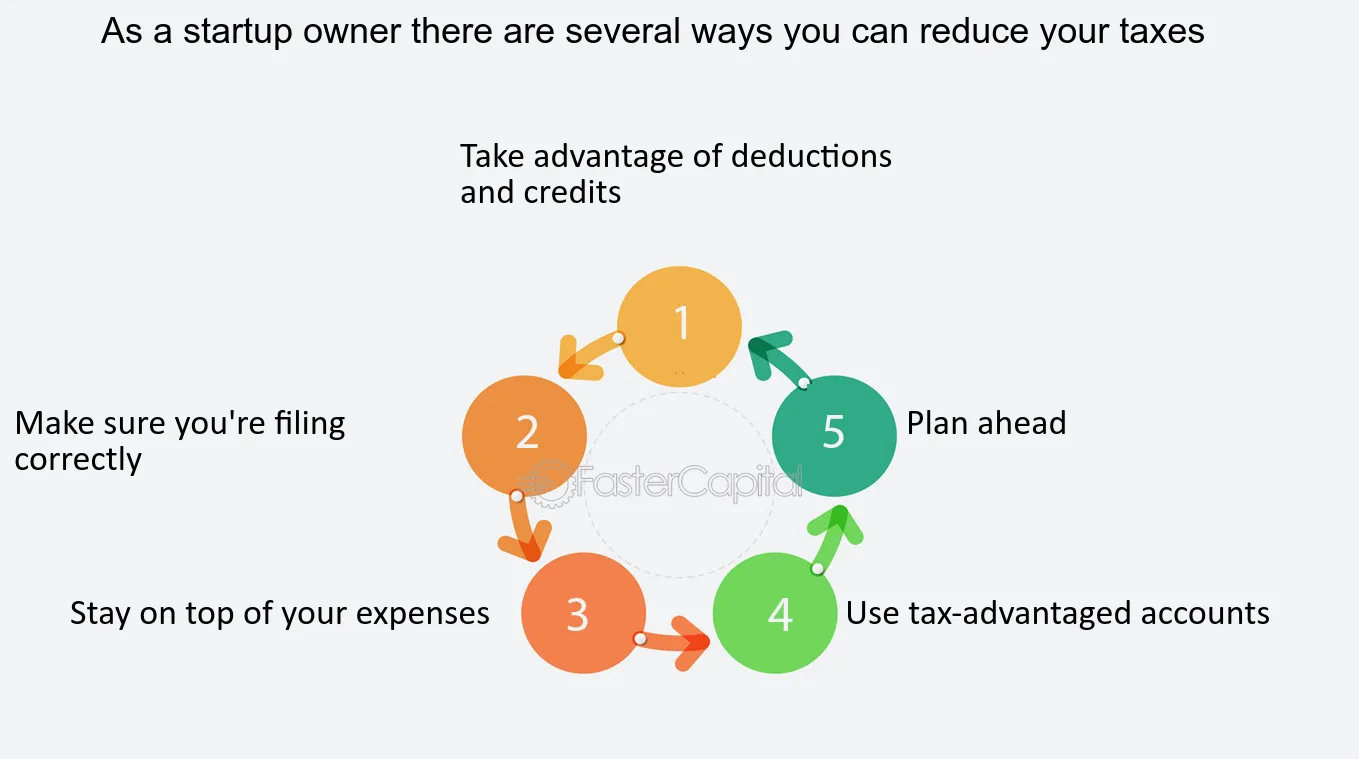
Starting a new business is an exhilarating journey brimming with opportunities and challenges. While the entrepreneurial spirit drives many to forge their distinct paths, navigating taxes can be a daunting task, especially in the first year. One of the most frequent concerns among startup owners is how to reduce their taxable income strategically to maximize profits and reinvest in their burgeoning companies. In this article, we’ll delve into actionable strategies that startup owners can employ to reduce their taxable income during that crucial first year, ensuring that every dollar is effectively utilized for growth.
Understanding Taxable Income and Its Significance
Before diving into strategies, it’s essential to clarify what taxable income is. Taxable income refers to the portion of your income that is subject to income tax. This amount is derived from gross income, which represents the total earnings before any deductions or exemptions. Lowering your taxable income directly translates to lower tax liability—something every startup owner should strive for.
Why Focus on the First Year?
The first year of a startup is often the most critical. During this time, business owners not only face initial operating costs but also strive to create a sustainable revenue stream. Moreover, the IRS allows an array of deductions specifically geared towards startups, which can make a significant difference in the final tax bill. Capitalizing on these opportunities early on can provide a solid financial foundation for the years to come.
1. Leverage Business Deductions
Startups can significantly reduce their taxable income by taking full advantage of business deductions. Here are some common deductions available to new businesses:
a. Start-Up Costs
The IRS allows businesses to deduct up to $5,000 of start-up costs in the first year. Costs associated with creating or investigating a business can be included in these deductions. This can encompass:
- Market research
- Advertising expenses
- Consultant fees
- Legal fees related to setting up the business structure
If your start-up costs exceed $50,000, the deductible amount decreases. Understanding what qualifies as a start-up cost is crucial in maximizing these deductions.
b. Business Expenses
Regular business expenses are another avenue for reducing taxable income. This may include costs for:
- Office supplies
- Rent or lease payments for office space
- Utilities
- Internet and phone expenses
- Travel expenses for business purposes
Documenting these expenses meticulously ensures that you can substantiate your claims and maximize deductions effectively.
c. Home Office Deduction
For many startups, a home office is the norm, especially in the wake of the remote work revolution. The home office deduction allows business owners to claim a portion of their home expenses. To qualify, the workspace must be used exclusively and regularly for business activities. Deductions may include:
- A percentage of mortgage interest
- Property taxes
- Utilities
- Homeowner’s insurance
The alternative simplified method allows you to deduct $5 per square foot of office space, up to a maximum of 300 square feet.
2. Consider Entity Structure
Choosing the right business structure can have significant implications on your tax liabilities. Common structures include:
a. Sole Proprietorship
While easy to establish, it doesn’t provide personal liability protection. Income is taxed at the individual tax rate.
b. LLC (Limited Liability Company)
An LLC offers flexibility in terms of taxation. It can be taxed as a sole proprietorship, partnership, or corporation, allowing owners to choose the option that yields the greatest tax benefits.
c. S Corporation
An S Corporation allows income to be passed through to shareholders, thereby avoiding double taxation. This is an attractive structure for those looking to reduce self-employment taxes.
In the first year, it is pivotal to consult a tax professional to select a structure that aligns with your financial goals and operational needs.
3. Tax Credits
Startup owners should be on the lookout for available tax credits, which can directly reduce the amount of tax owed. Unlike deductions, which reduce taxable income, credits reduce the tax bill dollar-for-dollar.
a. Research and Development (R&D) Tax Credit
If your startup is involved in innovation or product development, consider applying for the R&D tax credit. This credit is available for qualifying expenses related to research, including wages for employees conducting research or costs associated with developing new products and processes.

- Overcome negative thought patterns, reduce stress, and live a worry-free life
- Overthinking is the biggest cause of unhappiness
- Don't get stuck in a never-ending thought loop
- Stay present and keep your mind off things that don't matter, and never will
- Break free of your self-imposed mental prison
b. Work Opportunity Tax Credit
This federal tax credit benefits businesses that hire individuals from specific target groups facing significant barriers to employment. If you’re looking to build a diverse team while benefiting from tax breaks, be sure to evaluate candidates who might qualify under this initiative.
4. Defer Income
Deferring income can effectively lower your taxable income for the current year. If you’re able to delay receiving payments until the beginning of the next year, you can reduce your taxable income for your first year of operation.
a. Evaluate Your Accounts Receivable
Consider your invoicing strategies. If cash flow permits, allow certain clients to pay later, effectively shifting income into the subsequent year. This strategy is especially viable if you anticipate being in a lower tax bracket next year or expect your business to grow, which could place you in a higher bracket later on.
5. Employee Compensation Plans
Startups often have a unique opportunity to structure employee compensation that minimizes tax liabilities.
a. Retirement Plans
Establishing a retirement plan, such as a Simplified Employee Pension (SEP) IRA or 401(k), not only helps employees save for the future, but also allows the company to deduct contributions made to their retirement plans. In the first year, these contributions can significantly decrease taxable income.
b. Offering Stock Options
Startups can also offer stock options as part of their employee compensation plans. This can be advantageous for both parties; employees receive a stake in the company’s future growth, and the startup enjoys reduced payroll tax liabilities.
6. Estimate and Pay Quarterly Taxes
Startup owners should not overlook the importance of correctly estimating and paying quarterly taxes. The IRS often penalizes businesses that do not meet their quarterly tax obligations.
By keeping meticulous records and projecting your expected income, you can make informed payments that not only avoid penalties but may also help you manage your cash flow effectively.
7. Hire a Professional Tax Advisor
Navigating the complexities of taxes can be overwhelming, especially in the initial phase of your business. Investing in a qualified tax advisor can save money in the long run.
a. Tailored Advice
Tax professionals can provide tailored advice based on your specific situation, helping you uncover additional deductions and credits that may be available only to different industries.
b. Financial Planning
A professional can assist in creating a financial strategy that not only reduces taxable income but also promotes business growth and sustainability for years to come.
8. Keep Meticulous Records
The importance of maintaining accurate records cannot be stressed enough. An organized accounting system facilitates easy tracking of income and expenses, which is crucial when it comes time to file taxes.
a. Use Accounting Software
Invest in accounting software tailored for small businesses to track expenses and income efficiently. This allows you to categorize expenses appropriately and pull reports that will be invaluable during tax season.
b. Save Receipts and Documents
Every receipt, invoice, and record can contribute to your deductions, so develop a habit of saving these documents. Many cloud-based services allow for easy storage and access to digital copies.
Conclusion
As a startup owner, the first year is both an exciting and challenging time. By implementing strategic practices to reduce your taxable income now, you can lay the groundwork for future success. From leveraging deductions and credits to choosing the right business structure and maintaining meticulous records, every decision counts.
Remember to consult with financial professionals who can guide you in making informed decisions that align with your business goals. With the right approach, you can set a strong financial foundation that supports your startup’s growth and innovation for years to come.
By demonstrating proactive financial management in your first year, you’ll not only alleviate stress but will also build a business that has the potential to thrive, innovate, and inspire others.


