
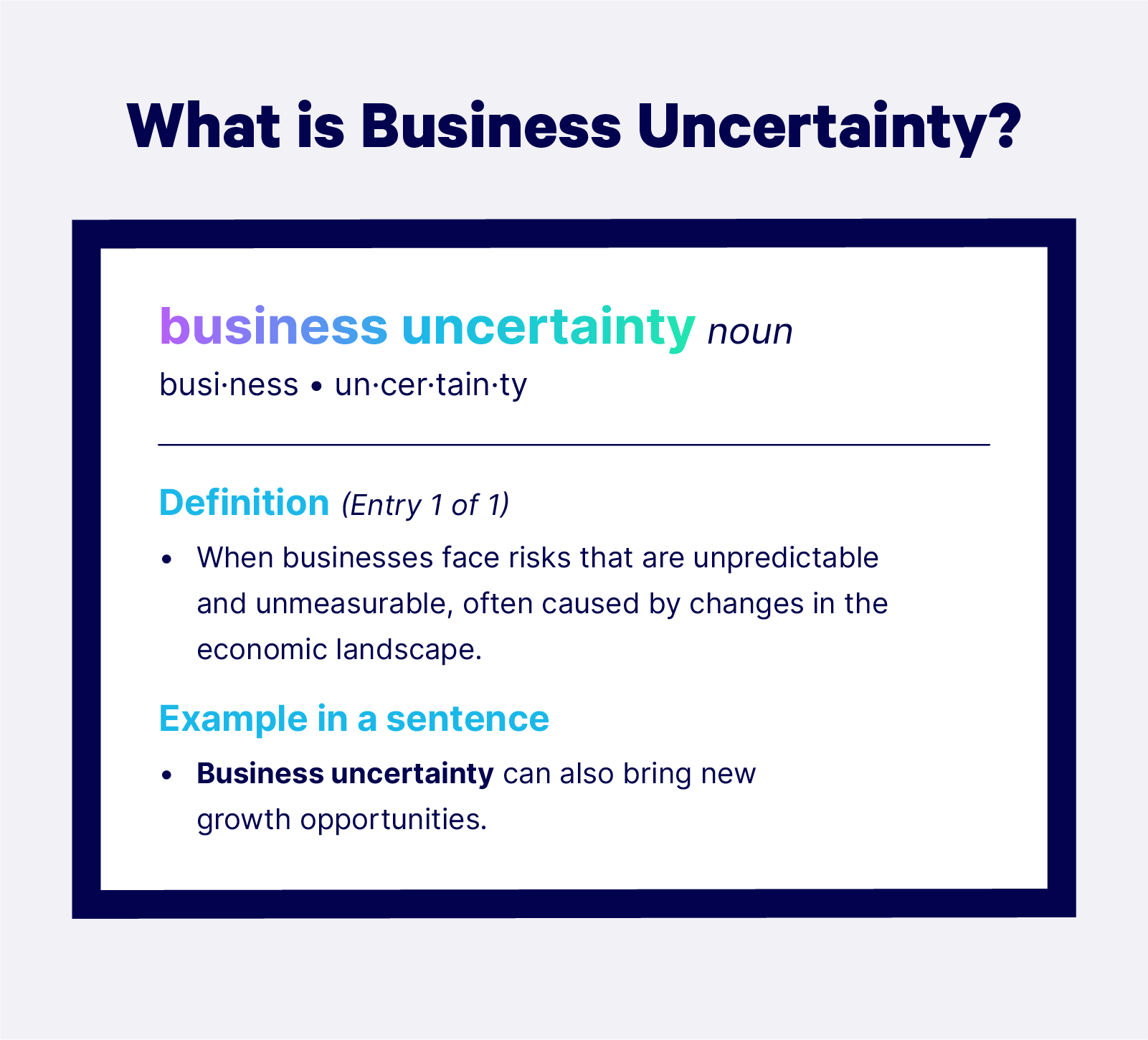
In today’s volatile economic landscape, startups confront a unique set of challenges that require nimbleness, innovation, and strategic foresight. Economic uncertainty—marked by fluctuating markets, changing regulations, and unpredictable consumer behavior—demands that new businesses evolve and adapt. So, how are startups navigating these tumultuous waters? In this article, we’ll explore the evolving strategies and resilient approaches that startups are using to thrive amid economic instability.
Understanding Economic Uncertainty
Before diving into the strategies of startups, it’s essential to comprehend the nature of economic uncertainty. This term describes the unpredictability surrounding various economic factors such as inflation rates, employment levels, and consumer purchasing power. Startups operate in the early stages of business development, which inherently carries risk. When faced with economic uncertainty, these young companies must re-evaluate their business models, financial strategies, and overall market approach.
The Impact of Economic Uncertainty on Startups
The ramifications of economic uncertainty are multifaceted. Typically, startups experience pressure on funding, customer acquisition, and operational costs. As venture capital becomes scarcer and investor confidence wanes, many startups find themselves needing to pivot quickly or risk closure. Additionally, consumer spending habits often shift during economic downturns, favoring essential goods and services over luxury items. This scenario prompts startups to rethink their target markets and adapt accordingly.
Strategic Adaptations by Startups
So, what are the strategies that successful startups are employing to survive and flourish during times of economic uncertainty? Here are some of the most effective approaches:
1. Embracing Lean Methodology
A lean startup approach emphasizes efficiency and minimalism in product development. Founders are prioritizing building prototypes, gathering feedback, and iterating based on real-world consumer input. This strategy not only conserves resources but also aligns product offerings with consumer needs, making it a viable option during unpredictable economic times.
2. Diversifying Revenue Streams
Relying on a single revenue source can be perilous during economic fluctuations. Startups are increasingly exploring ways to diversify income streams. This could mean expanding product lines, offering subscription services, or even exploring partnerships with other companies to access new markets. By spreading risk across multiple income sources, startups can remain more resilient when one stream experiences a downturn.
3. Prioritizing Customer Retention
Acquiring new customers can be expensive and time-consuming. During economic uncertainties, startups are turning their focus toward retaining existing customers, offering loyalty programs, personalized services, and exceptional customer support. Building strong relationships with consumers not only fosters loyalty but can also lead to valuable word-of-mouth marketing—one of the most effective strategies for growth.
4. Leveraging Technology
Technology plays a pivotal role in how startups adapt to changing economies. By employing technological solutions—such as automation tools, data analytics, and cloud computing—startups can streamline operations, reduce costs, and make informed decisions faster. Additionally, embracing digital marketing strategies allows startups to reach broader audiences without incurring significant expenditure.
5. Networking and Collaboration
The adage “it’s not what you know, but who you know” rings particularly true during economic uncertainty. Startups are increasingly recognizing the importance of networking events, industry meetups, and collaborative projects. Creating partnerships with other businesses can lead to shared resources, knowledge, and even customer bases, all of which can help startups weather financial storms.
Case Studies: Startups Thriving Amid Uncertainty
Let’s examine a few startups that have successfully navigated economic uncertainty by implementing innovative strategies:
Case Study 1: Airbnb’s Shift to Long-term Rentals
In the wake of the COVID-19 pandemic, Airbnb faced substantial challenges as travel restrictions dampened demand for short-term rentals. In response, the company successfully pivoted to focus on long-term stays, appealing to remote workers and individuals looking for temporary housing solutions. This adaptability not only helped Airbnb sustain its business but also repositioned it in a shifting market.
Case Study 2: Zoom’s Rise in Remote Communication
Zoom Video Communications surged in popularity during the pandemic. However, it wasn’t just a matter of luck; the company had been ready to scale before the global crisis hit. By anticipating a rise in demand for remote communication tools, Zoom invested in infrastructure and customer support beforehand, allowing it to meet customer needs amid a rapidly changing environment.

- Overcome negative thought patterns, reduce stress, and live a worry-free life
- Overthinking is the biggest cause of unhappiness
- Don't get stuck in a never-ending thought loop
- Stay present and keep your mind off things that don't matter, and never will
- Break free of your self-imposed mental prison
Case Study 3: Shopify’s Support for Small Businesses
As brick-and-mortar retailers faced unprecedented challenges due to lockdowns, Shopify proactively reached out to small business owners. The platform provided resources, knowledge, and tools to help them transition to e-commerce. Shopify’s rapid adaptation to support entrepreneurs showcased its commitment to fostering resilience within the startup ecosystem.
The Role of Investors in Supporting Startups
While startups must harness their internal capabilities to adapt, the role of investors cannot be underestimated. In times of economic uncertainty, some investors align themselves with companies that demonstrate adaptability and resilience. Startups are encouraged to present their strategic plans, highlighting how they intend to navigate uncertain markets. We’ve seen a rise in investor interest for startups that emphasize innovation, sustainability, and societal impact—qualities that resonate well during challenging times.
Attracting Funding in a Tight Economy
To weather storms that may inherently lead to reduced funding opportunities, startups can adopt several effective strategies:
-
Transparent Financial Projections: Investors appreciate clarity. Startups should provide detailed financial models and projections that reflect different scenarios based on external economic factors. This level of transparency helps build investor confidence.
-
Showcasing Agile Strategies: Highlighting the ability to pivot quickly in response to market shifts is crucial. Investors want to feel assured that a startup can pivot smoothly to sustain its growth.
-
Fostering Strong Brand Identity: A compelling brand story can attract attention. Startups should work on building a brand that resonates with their target demographic, especially during economic downturns when consumers often align with companies that align with their values.
Future Considerations for Startups
While navigating economic uncertainty is challenging, it is also an opportunity for startups to rethink their goals and strategies. As we move forward, several trends may shape the future landscape for startups:
1. Sustainability as a Core Focus
With growing consumer awareness regarding environmental issues, sustainability will likely become a key differentiator for startups. Those that prioritize sustainable practices and products may find a competitive advantage in the marketplace.
2. Mental Health and Well-being Initiatives
The increase in remote work and changing work-life dynamics have spotlighted mental health issues. Startups that address health and well-being through products, services, or workplace culture will resonate with consumers looking for support during uncertain times.
3. A Focus on Remote Work Solutions
The remote work trend isn’t fading, even as industries stabilize. Startups that provide tools and resources for remote work will continue to thrive as organizations adopt hybrid work models.
4. Increased Regulatory Changes
As governments respond to ongoing economic challenges, startups will need to stay updated on regulatory changes. Understanding compliance and harnessing technology to manage these shifts will be vital for continued success.
Conclusion
In a landscape marked by uncertainty, startups are demonstrating an impressive level of creativity, adaptability, and resilience. By embracing a lean methodology, diversifying revenue streams, and leveraging technology, they can not only survive but thrive amid economic challenges. Investors and entrepreneurs alike are realizing that adaptability, robust customer relationships, and strategic networking are essential for success.
As the economic landscape continues to evolve, the insights shared in this article provide a roadmap for startups looking to navigate uncertainty while positioning themselves for future success. In such an unpredictable world, those startups that remain agile, innovative, and customer-focused will emerge as the leaders of tomorrow.
In the end, the question of how startups are adapting to economic uncertainty is not just about survival; it’s about future-proofing businesses for rising challenges and seizing new opportunities as they arise. By actively engaging with the ever-changing landscape, startups will not only ride the waves of uncertainty but may also help shape the new normal in their respective industries.


