
In the ever-evolving landscape of American enterprise, startups are uniquely positioned to harness the potential of diverse talent pools while simultaneously benefiting from government incentives. Among these pools, veterans—individuals who have bravely served our nation—bring invaluable skills, dedication, and a strong work ethic. As more startups recognize the advantages of hiring veterans, it’s crucial to understand the tax incentives available to offset costs and foster an inclusive workplace.
In this article, we’ll delve into the various tax incentives, how startups can qualify for them, and the broader benefits associated with hiring veterans. Whether you’re a burgeoning tech innovator in Silicon Valley or a small business in Main Street USA, tapping into this resource can significantly enhance both your workforce and your bottom line.
Understanding the Importance of Hiring Veterans
Before we dive into the specifics of tax incentives, let’s examine why hiring veterans is not just a smart financial move but a social imperative. Veterans possess unique skills garnered through rigorous training and real-world experiences. They often excel in areas such as leadership, teamwork, and problem-solving. Moreover, employing veterans promotes diversity within the workforce, fostering an environment rich in varied perspectives and ideas.
The Skills Veterans Bring to Startups
-
Leadership and Teamwork: Veterans are trained to lead and work as part of a cohesive unit. This translates well into startup environments where collaboration and leadership are key ingredients for success.
-
Problem-Solving: Military training encourages creative thinking and effective problem-solving strategies. Veterans can navigate challenges, adapt to changing situations, and implement solutions swiftly.
-
Work Ethic and Discipline: The military instills a strong sense of commitment, discipline, and resilience, qualities that are essential for any startup looking to thrive in a competitive marketplace.
-
Technical Skills: Many veterans possess technical skills ranging from cybersecurity expertise to engineering acumen, making them valuable assets in tech-focused startups.
Benefits of Hiring Veterans Beyond Tax Incentives
While tax benefits are significant motivators, the importance of hiring veterans goes beyond financial incentives. Building a reputation as a veteran-friendly business can enhance your brand and attract customers who value social responsibility. Additionally, veteran employees often bring a sense of camaraderie to the workplace, which can improve morale and productivity.
Tax Incentives for Hiring Veterans
Now that we understand the importance of hiring veterans, let’s delve into the tax incentives available for startups that choose to hire these skilled individuals. Several federal and state programs offer tax credits or deductions to help offset the costs associated with hiring veterans.
Work Opportunity Tax Credit (WOTC)
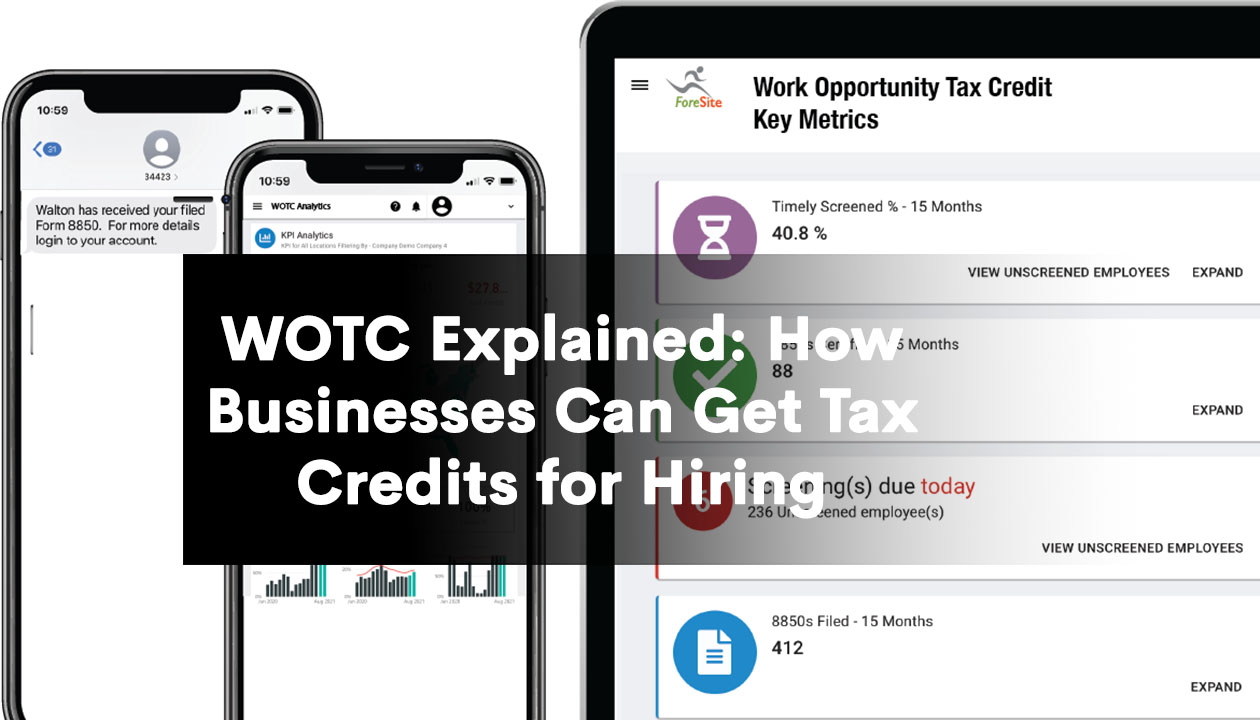
One of the most notable tax incentives available for employers hiring veterans is the Work Opportunity Tax Credit (WOTC). This federal tax credit provides financial incentives for employers who hire individuals from specific target groups, including veterans.
Key Highlights of WOTC:
- Eligibility: Businesses that hire veterans who have been unemployed for more than four weeks, veterans who have received food stamps, or those with service-related disabilities may qualify for the WOTC.
- Credit Amount: The WOTC can range from $2,400 to $9,600 per qualified veteran hired, depending on the veteran’s situation and the length of their unemployment before hiring.
- Duration: Employers can claim the credit for each veteran hired for up to one year.
Disabled Veterans Credit
For startups that hire disabled veterans, additional tax credits may be available. The credit can be substantial and is designed to incentivize the employment of individuals with disabilities.
Key Highlights of the Disabled Veterans Credit:
- Credit Amount: Employers can claim a credit of up to $5,600 for hiring a veteran with a service-related disability.
- Transitioning Veterans: There are enhanced incentives for hiring veterans who are transitioning out of military service and have a disability rating from the Department of Veterans Affairs.
State-Level Incentives
In addition to federal incentives, many states offer their own tax breaks and credits for hiring veterans. These incentives vary widely, so it’s essential to research the specific programs available in your state. Some may include:
- Tax Credits: Some states offer direct tax credits for hiring veterans, which can significantly boost your startup’s bottom line.
- Training Grants: Many states provide funds to cover training costs for veterans, thereby reducing your startup’s overall investment in onboarding and training.
- Loan Guarantees: Certain states offer loan guarantees for businesses hiring veterans, making it easier for startups to access funding.

- Overcome negative thought patterns, reduce stress, and live a worry-free life
- Overthinking is the biggest cause of unhappiness
- Don't get stuck in a never-ending thought loop
- Stay present and keep your mind off things that don't matter, and never will
- Break free of your self-imposed mental prison
How Startups Can Access These Tax Incentives
Accessing tax incentives can seem daunting, but the process is manageable with the right knowledge and resources. Here’s a step-by-step guide on how startups can access tax incentives for hiring veterans:
Step 1: Understand Eligibility Requirements
Before you dive into hiring, it’s essential to familiarize yourself with the eligibility criteria for the various tax credits. Each program has specific requirements related to the veteran’s military service, period of unemployment, and other factors. It’s advisable to consult the official IRS website or speak with a tax professional for detailed guidance.
Step 2: Develop Relationships with Veteran Organizations
Consider building connections with local and national veteran organizations and groups. These organizations can be valuable sources for recruitment, as they often assist veterans in transitioning to civilian jobs. Networking with these groups not only helps to connect you with qualified candidates but may also provide insights on additional hiring incentives.
Step 3: Utilize the IRS Form 8850
To claim the WOTC, you must complete IRS Form 8850, “Pre-Screening Notice and Certification Request for the Work Opportunity Credit.” Employers must submit this form to their state workforce agency (SWA) within 28 days of the hire date. This form helps to determine if the veteran qualifies for the program.
Step 4: Keep Accurate Records
Proper documentation is critical for claiming any tax incentive. Maintain thorough records of your hiring practices, including resumes, interview notes, and the completed Form 8850. Detailed records will not only help during tax season but can also protect your business in the event of an audit.
Step 5: Consult a Tax Professional
Given the complexities of tax law, it can be beneficial to work with a tax professional or accountant who has experience with employment tax credits. They can provide strategic advice on the credits for which your startup is eligible and help ensure that you’re in compliance with all IRS regulations.
Marketing Your Startup as a Veteran-Friendly Business
Once you’ve started hiring veterans and taking advantage of tax incentives, consider promoting your startup as a veteran-friendly employer. This not only helps to attract more skilled candidates but also boosts your reputation within the community.
Showcase Your Commitment to Veterans
-
Develop a Veterans Hiring Policy: Establish and publicize a hiring policy focused on veterans. This could include partnerships with veteran organizations or programs designed to facilitate the hiring process.
-
Participate in Job Fairs: Attend veteran job fairs to connect with potential candidates and actively demonstrate your commitment to hiring veterans.
-
Highlight Employee Programs: Promote any employee programs or initiatives aimed at veterans, such as mentorship programs or training resources.
-
Leverage Social Media: Use platforms like LinkedIn and Facebook to share stories of veteran employees and showcase your commitment to promoting diversity within your workforce.
The Bottom Line: The Win-Win Scenario
The combination of a skilled and diverse workforce and access to tax incentives creates a win-win scenario for startups looking to make a positive impact. By hiring veterans, you’re investing in dedicated and adept individuals who can contribute significantly to your business goals. Simultaneously, you benefit financially through various tax credits designed to encourage veteran employment.
As the landscape of work continues to evolve, embracing the hiring of veterans is more than just a sound business strategy; it’s a commitment to honoring and supporting those who have served our country. Take the time to navigate the resources available to your startup and start reaping the rewards—both in terms of a strong workforce and financial incentives that can help propel your business forward.
In Conclusion
So, can your startup access tax incentives for hiring veterans? Absolutely! With the right knowledge, connections, and commitment, you’ll not only enhance your team’s capabilities but also position your startup as a leader in the movement to employ and empower veterans. Embrace this opportunity today, and watch your startup thrive while making a difference in the lives of those who have dedicated their service to our nation.


