
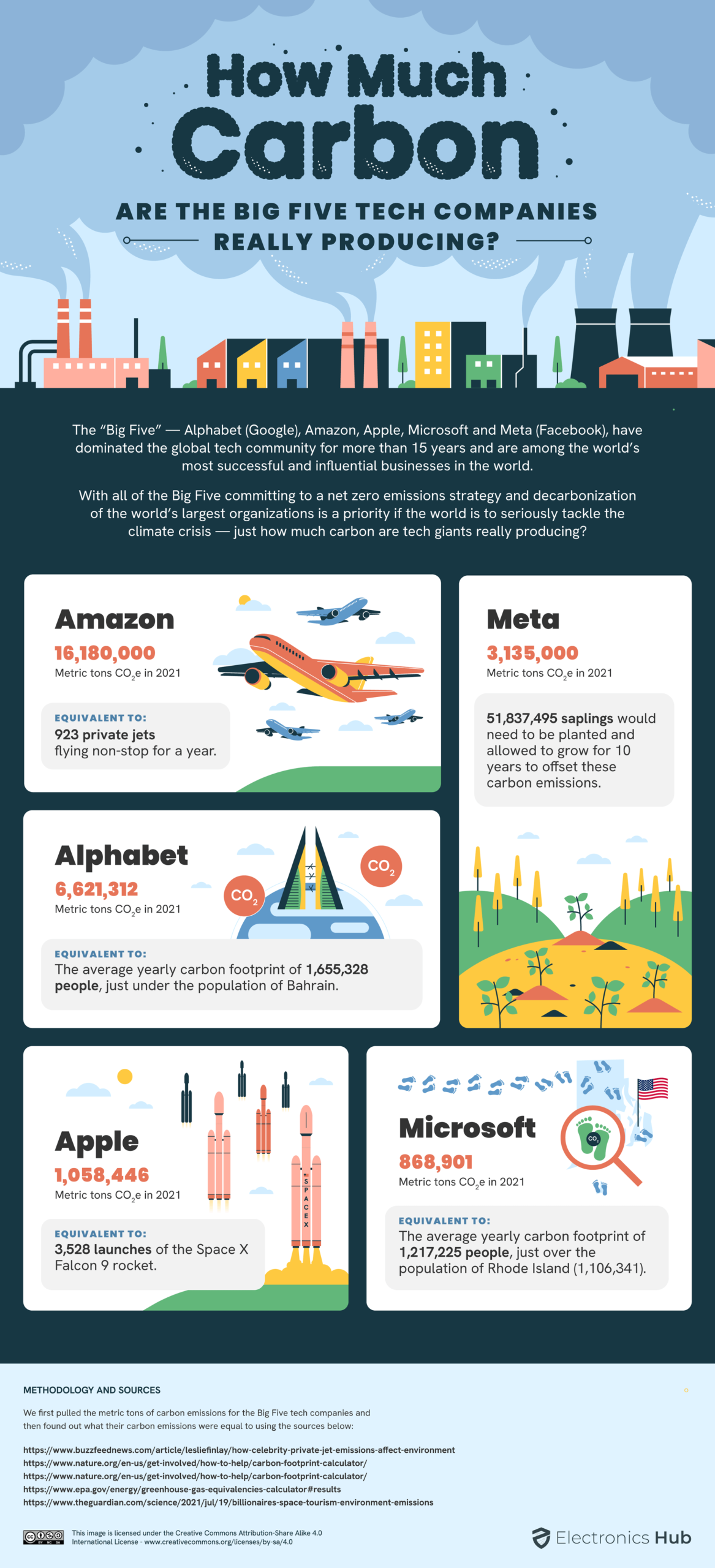
In an era defined by rapid technological advancements and digital innovation, the tech industry finds itself facing a critical challenge: addressing its carbon footprint. As climate change accelerates, the responsibility of large corporations grows, particularly tech giants whose operations have widespread environmental impacts. In recent years, many of these companies have taken significant steps toward sustainability, initiating conversations and practices that resonate deeply with eco-conscious consumers. This article delves into how tech giants are tackling their carbon emissions and what this means for the future of our planet.
Understanding the Carbon Footprint of Tech Giants
Before we explore the initiatives being undertaken, it’s essential first to grasp what constitutes a “carbon footprint” in the context of the tech industry. The carbon footprint refers to the total greenhouse gas emissions, particularly carbon dioxide, that are directly and indirectly associated with a company’s operations. For tech companies, this includes emissions from:
-
Data Centers: These facilities, housing vast networks of computers and servers, consume enormous amounts of electricity — often derived from fossil fuels.
-
Manufacturing Processes: The production of hardware necessitates resource extraction, refining, manufacturing, and shipping, all contributing to carbon emissions.
-
End-User Energy Consumption: The energy consumed by devices in use, such as smartphones, laptops, and smart home systems, also plays a role in the overall carbon footprint.
-
Corporate Operations: Daily operations, including employee commuting, business travel, and office energy usage, contribute to a company’s total emissions.
Given these factors, it is clear that tech giants have a significant role to play in mitigating climate change by reducing their carbon footprints.
Pioneering Initiatives by Leading Tech Giants
Google: Leading the Charge Toward Carbon-Free Energy
Google has been a frontrunner in the tech world when it comes to sustainability. In 2020, they announced their commitment to operate entirely on carbon-free energy by 2030. This ambitious goal includes:
-
Investment in Renewable Energy: Google has secured long-term contracts to purchase renewable energy directly from wind and solar projects, making it the largest corporate buyer of renewable energy in the world.
-
Data Center Efficiency: By optimizing its data centers to utilize AI for energy efficiency, Google has significantly reduced energy consumption. For instance, deploying machine learning algorithms to manage cooling systems has improved energy usage efficiency by 30%.
-
Sustainability Reporting: Google regularly publishes sustainability reports detailing progress against its goals, fostering transparency and accountability.
Apple: Committing to Carbon Neutrality
Apple has made a significant pledge to be carbon-neutral by 2030 across its entire supply chain and product life cycle. Some key initiatives include:
-
Green Manufacturing: Collaborating with suppliers to develop innovative, low-carbon materials, Apple aims to lessen emissions during the manufacturing process.
-
Recycling Programs: Apple’s recycling initiatives, such as the Daisy robot, disassemble used iPhones to recover valuable materials. This reduces the demand for raw materials and lowers emissions associated with mining and processing.
-
Clean Energy Investments: Apple supports the transition to renewable energy for its supplier’s facilities, aiming to help them achieve carbon neutrality too.
Microsoft: Aims for Carbon Negative by 2030
Microsoft has set a bold target of being carbon negative by 2030 and intends to remove all carbon it has emitted since its founding by 2050. Key actions include:
-
Innovative Carbon Accounting: By using a unique carbon accounting system, Microsoft enables its business units to be charged for their carbon footprint, incentivizing reduced emissions.
-
Investment in Carbon Removal Technology: Microsoft is committing $1 billion to accelerate the development of carbon removal technologies that can effectively capture and store atmospheric carbon.
-
Sustainable Hydration and Waste Reduction: The company works to reduce waste in its operations and have made strides in utilizing sustainable packaging for its products.
Amazon: The Climate Pledge
Amazon’s ambitious Climate Pledge requires the company to reach net-zero carbon emissions by 2040, ten years ahead of the Paris Agreement. Their strategy includes:
-
Frustratingly Fast Fleet: Amazon has ordered 100,000 electric delivery vans, which will reduce emissions from their logistics and transportation.
-
Renewable Energy Commitments: Amazon plans to power its global infrastructure footprint with 100% renewable energy by 2025, investing in solar and wind energy projects worldwide.
-
Reforestation Initiatives: Recognizing the role forests play in carbon sequestration, Amazon has committed to supporting reforestation initiatives worldwide.

- Overcome negative thought patterns, reduce stress, and live a worry-free life
- Overthinking is the biggest cause of unhappiness
- Don't get stuck in a never-ending thought loop
- Stay present and keep your mind off things that don't matter, and never will
- Break free of your self-imposed mental prison
The Role of Startups and Innovative Solutions
While the major tech players have set a crucial sustainability agenda, startups and emerging companies are also contributing to reducing carbon footprints with innovative solutions. For instance:
-
Carbon Tracking Software: Companies like Watershed and Normative offer software solutions that help corporations measure, report, and reduce their carbon emissions, charting sustainable paths forward.
-
Energy Efficiency Innovations: Startups focused on artificial intelligence-driven energy management systems offer solutions for businesses to optimize energy usage, thereby reducing emissions significantly.
-
Sustainable Materials Development: Companies are emerging that specialize in creating low carbon, sustainable materials for tech products, further lessening the carbon impact of production processes.
The Importance of Consumer Awareness
As tech companies strive for sustainability, consumer awareness and demand for eco-friendly practices are more important than ever. Customers are increasingly making purchasing decisions based on a company’s environmental efforts, pushing tech giants to adopt greener initiatives. As a result, brands that prioritize sustainability not only help the planet but also enhance their reputation and customer loyalty.
Why Consumers Should Care
- Healthier Planet: Sustainable practices lead to reduced pollution and healthier ecosystems.
- Corporate Accountability: Supporting companies with strong sustainability policies encourages others to follow suit.
- Consumer Influence: As awareness grows, collective consumer behavior can shape market norms, pushing even the most resistant companies toward greener practices.
Challenges and Opportunities Ahead
Despite the positive strides made by tech giants, numerous challenges remain. The rapid pace of innovation can sometimes conflict with sustainable practices, and large corporations may find resistance from shareholders focused primarily on profits. Additionally, reaching global agreements on emission reductions can be complicated, particularly for companies that operate internationally with varying regulations.
However, opportunities abound for tech companies attempting to enhance their sustainability efforts:
- Investment in R&D: Research and development can support the creation of new technologies that minimize environmental impacts.
- Collaboration: Partnerships between tech companies and environmental organizations can lead to shared knowledge and resources.
- Community Engagement: Companies can foster community-focused initiatives that promote environmental responsibility beyond their immediate operations.
The Path Forward: A Sustainable Tech Industry
As we look to the future, it’s clear that the tech industry has a vital role to play in the fight against climate change. While tech giants are indeed making notable advancements in reducing their carbon footprints, the challenge lies in maintaining momentum, scaling solutions, and inspiring the broader business community to follow suit.
The journey toward sustainability is not merely a task for these corporations but a collective responsibility encompassing consumers, governments, and entire industries. By demanding transparency, supporting greener initiatives, and engaging with businesses striving to make a positive impact, we can create a sustainable future for generations to come.
In conclusion, as tech giants work diligently to address their carbon footprints, they serve as critical examples of how innovation can intersect with sustainability. As consumers, stakeholders, and surrounding communities continue to put pressure on these companies, we may pave the way for a sustainable tech landscape that not only drives innovation but also champions the health of our planet. Together, we can build a future that harmonizes technology with the pressing need for climate action.


