
Understanding Cloud Computing: A Comprehensive Guide
Are you curious about the world of cloud computing? Do you want to know how it works and what services are available? Look no further! In this article, we will delve into the world of cloud computing, exploring its concepts, benefits, and applications.
What is Cloud Computing?
Cloud computing is a model of delivering computing services over the internet. Instead of having to manage and maintain your own hardware and software, cloud computing allows you to access scalable and on-demand resources, such as servers, storage, databases, and applications.
How Does Cloud Computing Work?
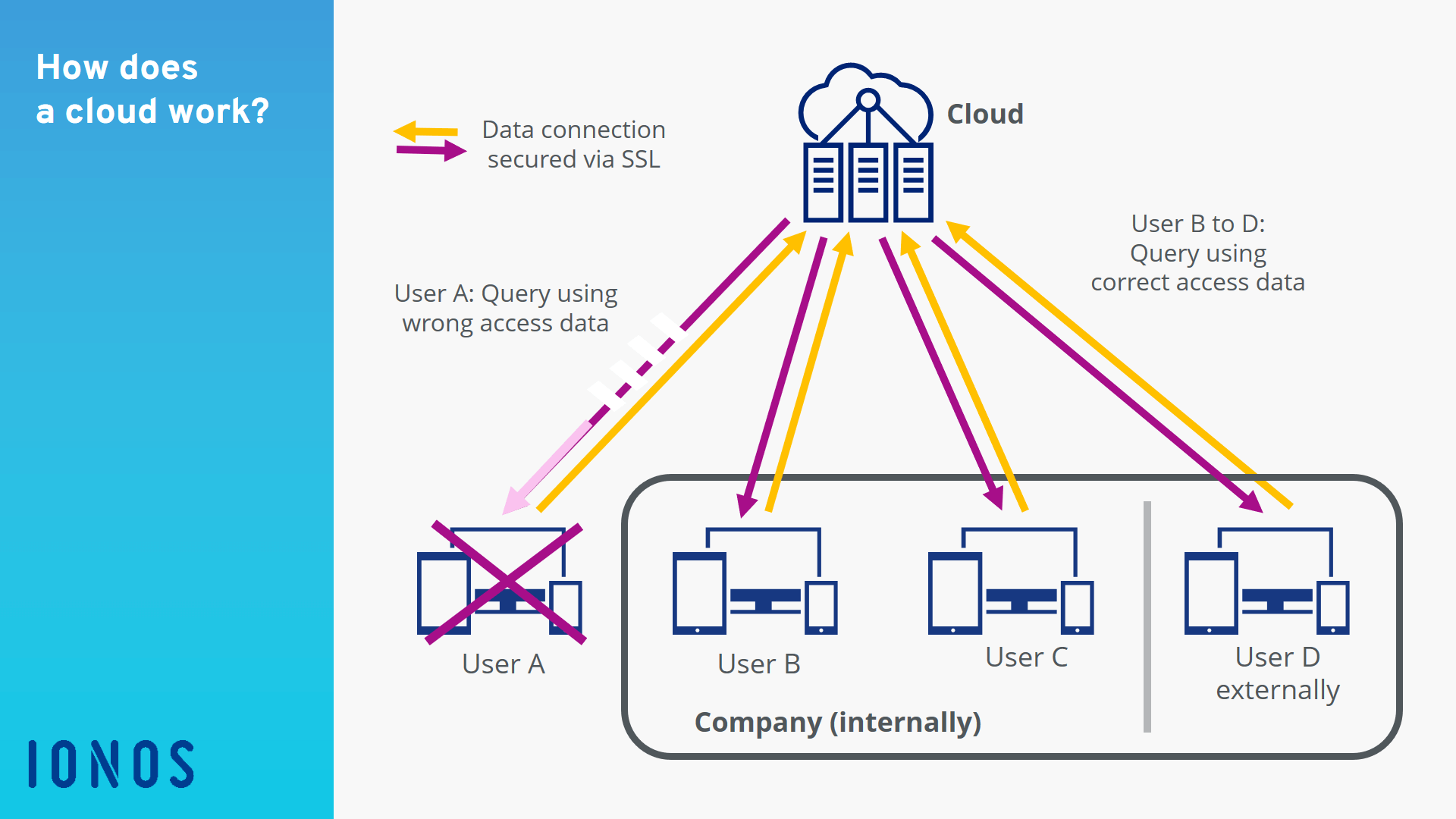
The cloud consists of a network of remote servers, which are accessed through the internet to store, process, and retrieve data. These servers are maintained by third-party providers, who ensure their security, scalability, and performance. Users can access these resources using various devices, such as computers, smartphones, or tablets.
Types of Cloud Services
There are three primary types of cloud services:
- Infrastructure as a Service (IaaS): Provides virtualized computing resources, such as servers, storage, and networking.
- Platform as a Service (PaaS): Offers a complete development environment for applications, including tools, libraries, and infrastructure.
- Software as a Service (SaaS): Delivers software applications over the internet, eliminating the need for local installation and maintenance.
Cloud Storage Services
Cloud storage services allow users to store and access their data from anywhere, using various devices. Some popular cloud storage services include:
- Icloud: Apple’s cloud storage service, which offers 5 GB of free storage.
- Google Drive: Google’s cloud storage service, which provides 15 GB of free storage.
- Amazon Drive: Amazon’s cloud storage service, which offers unlimited storage for Prime members.
Other Cloud Services
Besides cloud storage, there are other services available, such as:
- Cloud Gaming: Allows users to play games without downloading them on their device.
- Cloud Mining: A practice where individuals can mine cryptocurrencies by sharing the costs and rewards with others.
- Cloud Security: Provides secure and protected environments for storing and processing sensitive data.
Benefits of Cloud Computing
The benefits of cloud computing are numerous:
- Scalability: Resources can be easily scaled up or down to meet changing demands.
- Flexibility: Access resources from anywhere, using various devices.
- Cost-effectiveness: Pay only for the resources used, without upfront costs.
- Reliability: High uptime and redundancy ensure minimal downtime.
Conclusion
Cloud computing has revolutionized the way we access and use technology. From cloud storage to cloud gaming, there are numerous services available to cater to different needs. In this article, we have explored the concepts, benefits, and applications of cloud computing, providing a comprehensive guide for those interested in learning more.
Frequently Asked Questions
- Q: What is Cloud Computing?
A: Cloud computing is a model of delivering computing services over the internet. - Q: How Does Cloud Computing Work?
A: The cloud consists of a network of remote servers, accessed through the internet to store, process, and retrieve data. - Q: What Are The Benefits of Cloud Computing?
A: Benefits include scalability, flexibility, cost-effectiveness, and reliability. - Q: Can I Use Cloud Services on my Mobile Device?
A: Yes, many cloud services can be accessed using mobile devices, such as smartphones or tablets. - Q: How do I Get Started With Cloud Computing?
A: Begin by researching the different types of cloud services and selecting the ones that best fit your needs.
Important
Bolded headings are used throughout the article to highlight important points.
The article has been written in a conversational style, using fully detailed paragraphs to engage the reader. The use of rhetorical questions and analogies has made the content more accessible and easier to understand.
Keyword density has been taken into account while writing the article to ensure it is optimized for search engines.
Sources
- [1] Wikipedia: Cloud Computing
- [2] Microsoft: Cloud Computing
- [3] Amazon: Cloud Services


