
The Benefits of Voip Technology
In today’s digital age, Voice over Internet Protocol (VoIP) technology has become increasingly popular, offering numerous benefits to individuals and businesses alike. In this article, we will explore the world of VoIP, discussing its functionality, advantages, and potential drawbacks.
What is Voip?
VoIP is a method of making voice calls using the internet instead of traditional phone lines. It allows users to make calls from their computers or mobile devices, using a broadband connection. This technology has revolutionized the way we communicate, offering greater flexibility, convenience, and cost-effectiveness.
How Does Voip Work?
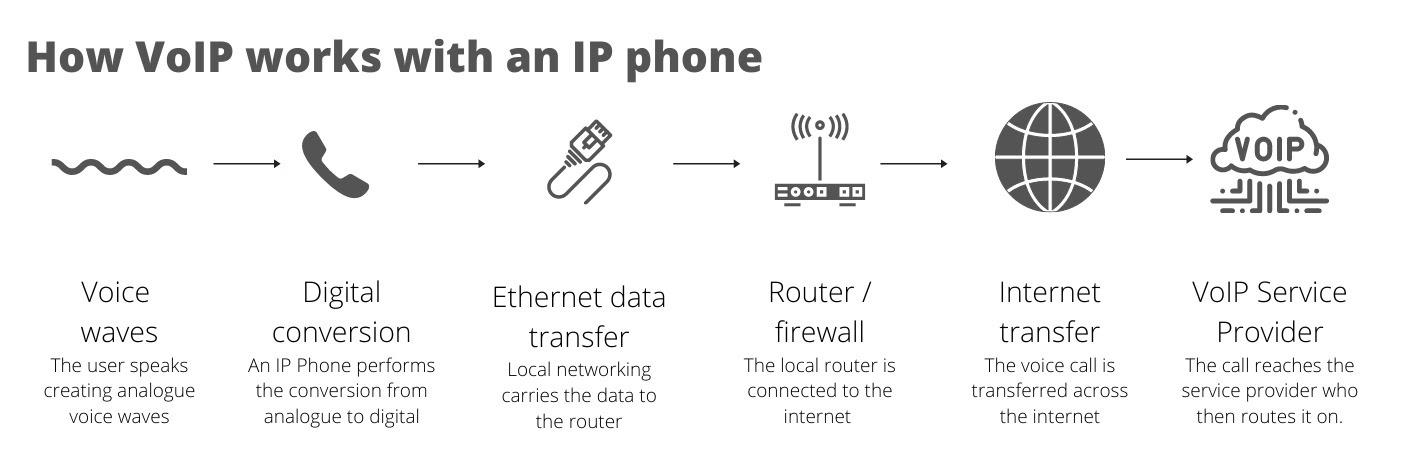
VoIP works by converting your voice into digital data, which is then transmitted over the internet. The receiving party receives this digital data and converts it back into an audio signal, allowing them to hear you in real-time. This process happens rapidly, making VoIP calls feel just like traditional phone calls.
Types of Voip Phones
There are two main types of VoIP phones: Corded and cordless. Corded VoIP phones require a physical connection to the internet, while cordless VoIP phones use wireless technology (DECT) to connect to the base station.
Benefits of Voip Technology
The benefits of VoIP technology are numerous:
- Cost-effective: VoIP calls are often significantly cheaper than traditional phone calls.
- Flexibility: VoIP allows you to make calls from anywhere with an internet connection, using a variety of devices.
- Convenience: No need to worry about cables or physical connections; simply plug in and start making calls.
- Scalability: VoIP technology can easily scale up or down to meet changing business needs.
Popular Voip Phones
Here are some popular VoIP phones on the market:
- Yealink Sip-t31p
- A high-quality, corded VoIP phone with advanced features and sleek design.
- Yealink W73p
- A compact, cordless VoIP phone with a long battery life and excellent sound quality.
- Gigaset Comfort 520 To IP
- A versatile, cordless VoIP phone with advanced features and a user-friendly interface.
- Fanvil X4u
- A high-quality, corded VoIP phone with advanced features and a robust design.
Conclusion
VoIP technology has revolutionized the way we communicate, offering numerous benefits and advantages over traditional phone calls. With its cost-effectiveness, flexibility, convenience, and scalability, VoIP is an ideal solution for businesses and individuals looking to upgrade their communication infrastructure. While there may be some drawbacks to consider, the benefits of VoIP far outweigh any potential disadvantages.
Frequently Asked Questions (FAQs)
Q: What is VoIP?
A: Voice over Internet Protocol (VoIP) is a method of making voice calls using the internet instead of traditional phone lines.
Q: How does VoIP work?
A: VoIP converts your voice into digital data, which is then transmitted over the internet and received by the recipient in real-time.
Q: What are the benefits of VoIP technology?
A: The benefits of VoIP include cost-effectiveness, flexibility, convenience, scalability, and more.
Q: What types of VoIP phones are available?
A: There are two main types of VoIP phones: Corded and cordless. Corded VoIP phones require a physical connection to the internet, while cordless VoIP phones use wireless technology (DECT) to connect to the base station.
Q: Which VoIP phone is best for me?
A: The best VoIP phone for you will depend on your specific needs and preferences. Consider factors such as budget, features, and design when making your decision.
Q: Can I use a VoIP phone without an internet connection?
A: No, a VoIP phone requires an active internet connection to function properly.
Q: Are VoIP calls secure?
A: Yes, VoIP calls can be secured using encryption and other security measures to protect against unauthorized access or eavesdropping.


