
Amplifying The Sign Tv: A Comprehensive Guide
Are you tired of poor television reception? Do you find yourself struggling to watch your favorite channels due to a weak signal? Look no further! In this article, we will explore various methods to amplify the sign TV, ensuring that you can enjoy crystal-clear reception without breaking the bank.
Introduction
The advent of digital terrestrial television (DTT) has brought with it numerous benefits, including improved picture quality and increased channel options. However, for some viewers, the transition from analog to digital has resulted in a weak signal, making it difficult to watch their favorite programs. In this article, we will delve into the world of TV amplification, providing you with practical solutions to boost your reception.
The Problem: Weak Signal
A weak signal is often the primary cause of poor television reception. This can be due to various factors, including a faulty antenna, interference from neighboring buildings or appliances, or simply the distance between your location and the nearest broadcast tower. Whatever the reason, it’s essential to address the issue promptly to avoid missing your favorite shows.
Solution 1: Amplifier of Sign
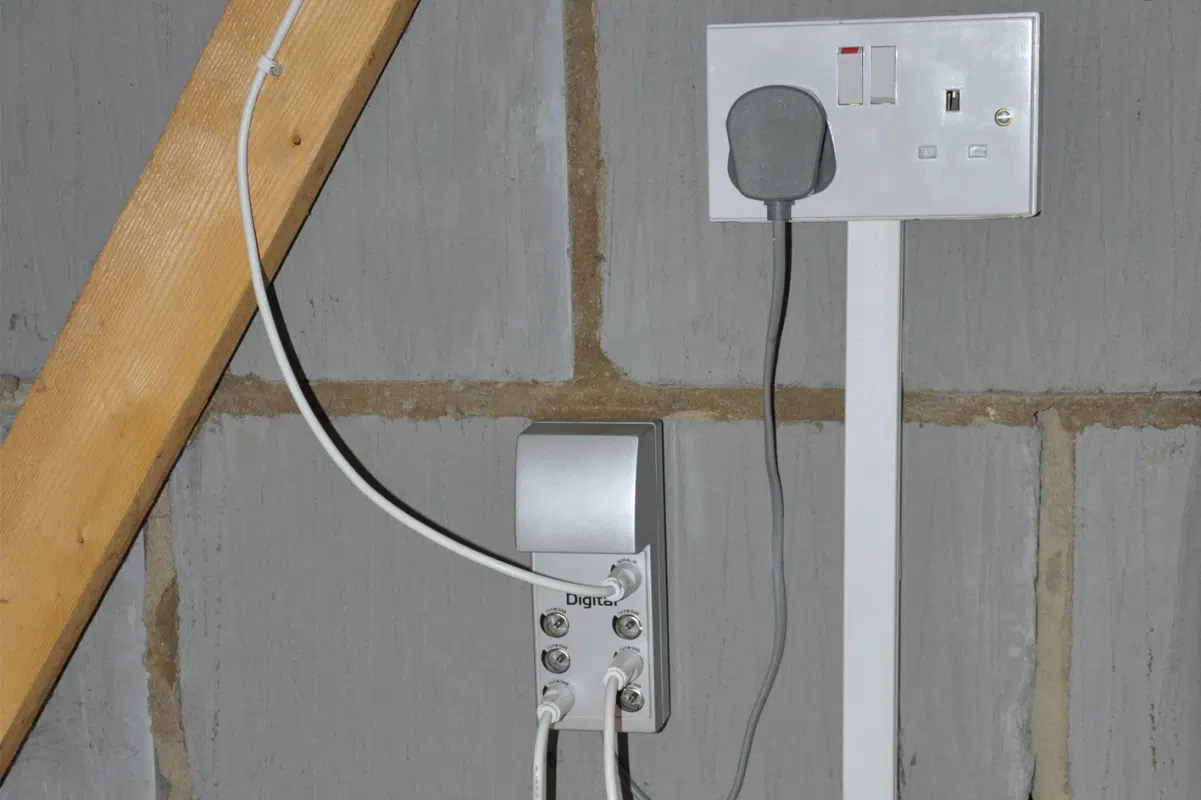
One effective way to amplify the sign TV is by using an amplifier of sign. This device is designed specifically for boosting weak signals, making it a great solution for those experiencing difficulties with digital terrestrial reception. The amplifier works by increasing the signal strength, allowing you to receive channels more clearly.
How to Choose The Right Amplifier
When selecting an amplifier of sign, consider the following factors:
- Power: Look for an amplifier that can provide at least 15 dB of gain.
- Frequency Range: Ensure the amplifier covers the frequency range of your local broadcast signals (typically between 470-862 MHz).
- Price: Amplifiers vary in price, but expect to pay between €20 and €25 for a decent model.
How to Install an Amplifier
Installing an amplifier is relatively straightforward. Follow these steps:
- Connect the antenna to the amplifier’s input.
- Connect the amplifier’s output to your TV or decoder.
- Configure the amplifier according to the manufacturer’s instructions.
Solution 2: Adjusting Antenna Orientation
Another effective method for amplifying the sign TV is by adjusting the orientation of your antenna. This can be a simple yet effective solution, especially if you have a parabolic dish-style antenna.
- Direction: Ensure the antenna is pointing towards the broadcast tower.
- Tilt: Adjust the tilt to optimize signal reception.
- Height: Consider raising the antenna to improve signal strength.
Solution 3: Check Coaxial Cable
A weak coaxial cable can also contribute to poor television reception. Inspect your cable for any signs of damage or wear. If you find a problem, replace it with a new one.
Alternative Solutions
If the above solutions don’t work, there are alternative methods to consider:
- Rerouting The Antenna: Try moving the antenna to a different location or reorienting it to improve signal reception.
- Using a Satellite Dish: If you have access to satellite TV signals, consider using a dish to receive channels not available on terrestrial frequencies.
- Contacting a Professional: In severe cases, consult a professional technician for assistance.
Amplifying The Sign Satellite TV
If your problem lies with weak satellite TV reception, there are specific solutions tailored to address this issue:
- Parabola Orientation: Adjust the parabolic dish-style antenna to optimize signal reception.
- New Antenna or Orientation: Consider acquiring a new antenna or reorienting an existing one for better performance.
- Decoder Adjustments: Check your decoder settings and adjust them as necessary to improve signal reception.
Streaming Tv: A Convenient Alternative
In some cases, streaming TV might be a more convenient solution. You can bypass the issue of weak signals by watching channels online using services like RaiPlay or Infinity.
Assistance And Support
If you’re experiencing difficulties with your TV or decoder, don’t hesitate to contact the manufacturer’s customer support for assistance.
Conclusion
Amplifying the sign TV is a straightforward process that requires minimal effort. By understanding the causes of weak signals and employing the solutions outlined in this article, you can enjoy crystal-clear reception without breaking the bank.
Frequently Asked Questions (FAQs)
- What Are The Most Common Reasons For Poor Television Reception?
Poor signal strength due to a faulty antenna, interference from neighboring buildings or appliances, or simply the distance between your location and the nearest broadcast tower. - How Can I Choose The Right Amplifier of Sign?
Look for an amplifier that provides at least 15 dB of gain, covers the frequency range of your local broadcast signals (typically between 470-862 MHz), and fits within your budget. - What is The Procedure For Installing an Amplifier of Sign?
Connect the antenna to the amplifier’s input, connect the amplifier’s output to your TV or decoder, and configure the amplifier according to the manufacturer’s instructions. - Can I Adjust my Antenna Orientation to Improve Signal Reception?
Yes, ensure the antenna is pointing towards the broadcast tower, adjust the tilt for optimal performance, and consider raising the antenna to improve signal strength. - What Are Some Alternative Solutions if The Above Methods Don’t Work?
Rerouting the antenna, using a satellite dish, or contacting a professional technician for assistance may be necessary in severe cases. - Can I Amplify The Sign TV Using Streaming Services Like Raiplay or Infinity?
Yes, these services provide an alternative solution to traditional television reception, allowing you to watch channels online without relying on a strong signal.
Additional Tips
- Regularly inspect your antenna and coaxial cable for any signs of damage.
- Adjust your antenna orientation seasonally to optimize signal reception.
- Consider consulting a professional technician if you’re unsure about the best solution for your specific situation.


