
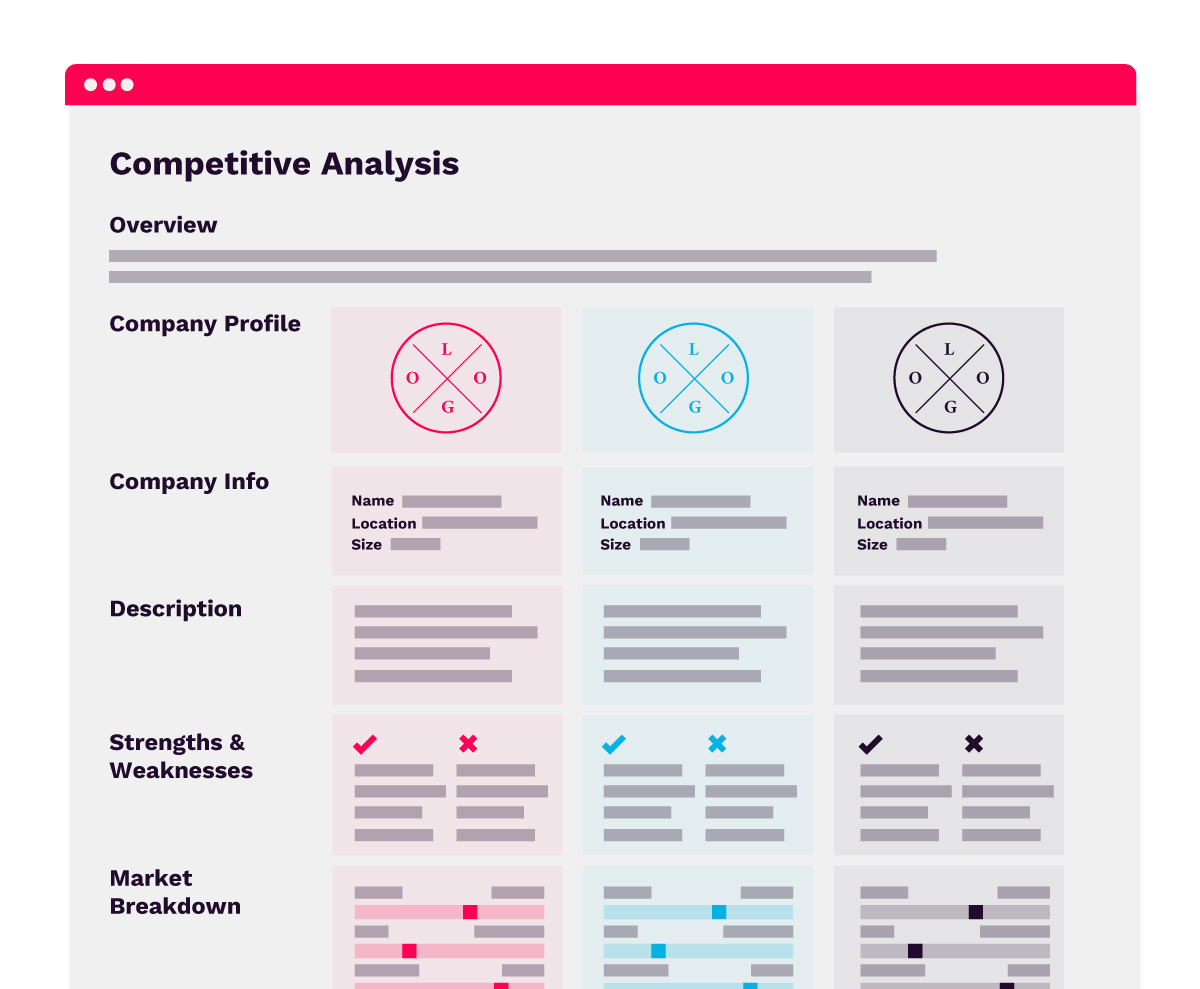
In an ever-evolving digital landscape, understanding your competitive environment is crucial for the success of your Software as a Service (SaaS) business. Whether you’re launching a new startup or refining an existing product, knowing who your competitors are and what they do is essential for developing a robust business strategy. In this article, we’ll uncover how to effectively analyze your competitive landscape.
Understanding the Competitive Landscape
The competitive landscape refers to the positioning and strengths of other firms within your industry. In the SaaS realm, this means identifying other software services that target similar customer bases or offer overlapping functionality. Analyzing your competitive landscape helps you understand market demands, customer expectations, and potential threats.
Why Competitive Analysis Matters in SaaS
-
Differentiation: In a crowded market, differentiating your product is key. Competitive analysis helps you identify what others are offering, allowing you to carve out a unique space.
-
Market Insights: Understanding your competitors provides insights into market trends. You’ll gain knowledge about customer preferences, pain points, and innovative features that are currently in demand.
-
Strategic Development: With a clear view of your competition, you can develop strategies that either capitalize on their weaknesses or enhance your strengths. This allows you to gain a significant advantage.
-
Risk Management: Identifying potential competitors can help in risk assessment. By knowing who else is in the market, you can prepare for their moves and protect your market share.
Steps to Conduct a Competitive Landscape Analysis
To effectively assess your competitive landscape, perform the following steps:
1. Identify Your Competitors
Start by identifying direct, indirect, and emerging competitors in your niche:
-
Direct Competitors: These are companies offering similar products targeting the same customer base. For example, if you have a project management tool, similar tools that solve the same problem fall here.
-
Indirect Competitors: These businesses offer alternative solutions that address the same problem. For example, a time-tracking app might not be a project management tool, but both serve the purpose of improving workflows.
-
Emerging Competitors: Startups or new products that are not yet well-known may pose a future threat. Keep tabs on industry news, funding announcements, and startup platforms to identify these players.
2. Analyze Competitor Products and Features
Once you’ve identified your competitors, analyze their offerings:
-
Feature Set: What features do they offer? Make a comprehensive list to understand how your product stacks up against theirs.
-
User Experience: Explore their user interface and design. A superior UX often leads to higher customer satisfaction.
-
Pricing Models: Compare their pricing plans. Is their pricing higher or lower? What value do they provide for their price point? Consider creating a comparison chart for clarity.
-
Supported Platforms: Assess what platforms (web, iOS, Android, etc.) competitors support. This can help you understand market reach and user accessibility.
3. Identify Target Audiences
Understanding competitors’ target audiences is crucial for finding your customer base. Look at:
-
Demographics: Age, gender, location, income, and education level can provide insight into why certain customers prefer a competitor’s solution.
-
Psychographics: Interests, behaviors, and pain points are also worth analyzing. Resources like social media interactions, customer reviews, and case studies can help gather this data.
-
Customer Retention: Investigate how competitors maintain customer loyalty. Look into their customer support channels, satisfaction surveys, and retention strategies.
4. Study Marketing and Branding Strategies
A company’s marketing strategy can reveal a lot about its positioning:
-
Content Marketing: Examine their blogs, articles, or resources. What topics do they cover? How do they engage with their audience?
-
Social Media Presence: Review their social media engagement. How frequently do they post? What type of content gets the most interaction?
-
SEO Tactics: Analyze their website’s SEO strategy by scrutinizing their keywords, backlink profile, and overall ranking. Tools like SEMrush or Ahrefs can be invaluable here.
-
Brand Messaging: Assess their branding, tone, and messaging. How do they convey their value proposition? Consider how you can differentiate your messaging.

- Overcome negative thought patterns, reduce stress, and live a worry-free life
- Overthinking is the biggest cause of unhappiness
- Don't get stuck in a never-ending thought loop
- Stay present and keep your mind off things that don't matter, and never will
- Break free of your self-imposed mental prison
5. Monitor Reviews and Feedback
Online reviews and customer feedback provide real-time insights into your competitors’ strengths and weaknesses:
-
User Reviews: Platforms like G2, Trustpilot, or Capterra can give a well-rounded view of what users love or hate about competitors’ products.
-
Feature Requests: Look for common complaints or feature requests in reviews. This information can guide your product development efforts.
-
Engagement with Customers: Observe how competitors handle customer feedback. Prompt and thoughtful responses can enhance brand loyalty.
6. Evaluate Financial Performance
While it might be difficult to access complete financial records for every competitor, some information is usually available:
-
Funding Rounds: Research funding rounds and investor information. A high level of funding can indicate a healthy growth trajectory.
-
Acquisitions: Keep an eye out for any mergers or acquisitions. If a larger company is buying out your competitors, they may pose a heightened threat.
-
Market Position: For public companies, their financial statements can provide insights into revenue performance, growth forecasts, and market segments.
7. SWOT Analysis
Conduct a SWOT (Strengths, Weaknesses, Opportunities, Threats) analysis for your business and your top competitors. This analysis will allow you to formulate strategies based on the information you’ve gathered. Here’s how to execute one:
-
Strengths: Identify what’s working well for you compared to competitors.
-
Weaknesses: Acknowledge areas where your competitors excel that you need to improve.
-
Opportunities: Analyze market trends and needs that your competitors may not be filling.
-
Threats: Recognize what competitors are doing that could potentially threaten your market position.
8. Keep Your Analysis Updated
Competitive landscapes are not static; they evolve over time. Schedule regular check-ins to refresh your analysis and stay aware of market changes. Monitor industry news, keep track of competitors and adjust your strategies accordingly.
Pitfalls to Avoid During Competitive Analysis
While conducting competitive analysis is essential, be wary of these common pitfalls:
-
Overemphasis on Competitors: While understanding your competition is vital, don’t lose sight of your vision. Stay true to your core mission and objectives.
-
Incomplete Data: Always strive for comprehensive data collection. Relying solely on superficial information can lead to misguided strategies.
-
Assuming Market Strategies Work Universally: Just because a competitor is successful with a certain strategy doesn’t mean it will work for you.
-
Neglecting to Act: Gather data is essential, but failing to implement your findings can lead to stagnation. Ensure you develop an action plan based on your analysis.
Conclusion
Analyzing the competitive landscape in your SaaS business plan is not just a one-time exercise. It’s an ongoing process that can guide your product development, marketing efforts, and customer engagement strategies. By understanding who your competitors are, what they offer, and how you compare, you can position your SaaS venture for success in a crowded market.
By consistently revisiting your competitive landscape and adapting based on your findings, you’ll not only enhance your product offerings but also develop a strong and sustainable position among your peers. In the fast-paced world of SaaS, continuous learning and awareness can be your strongest allies. Happy analyzing!


