
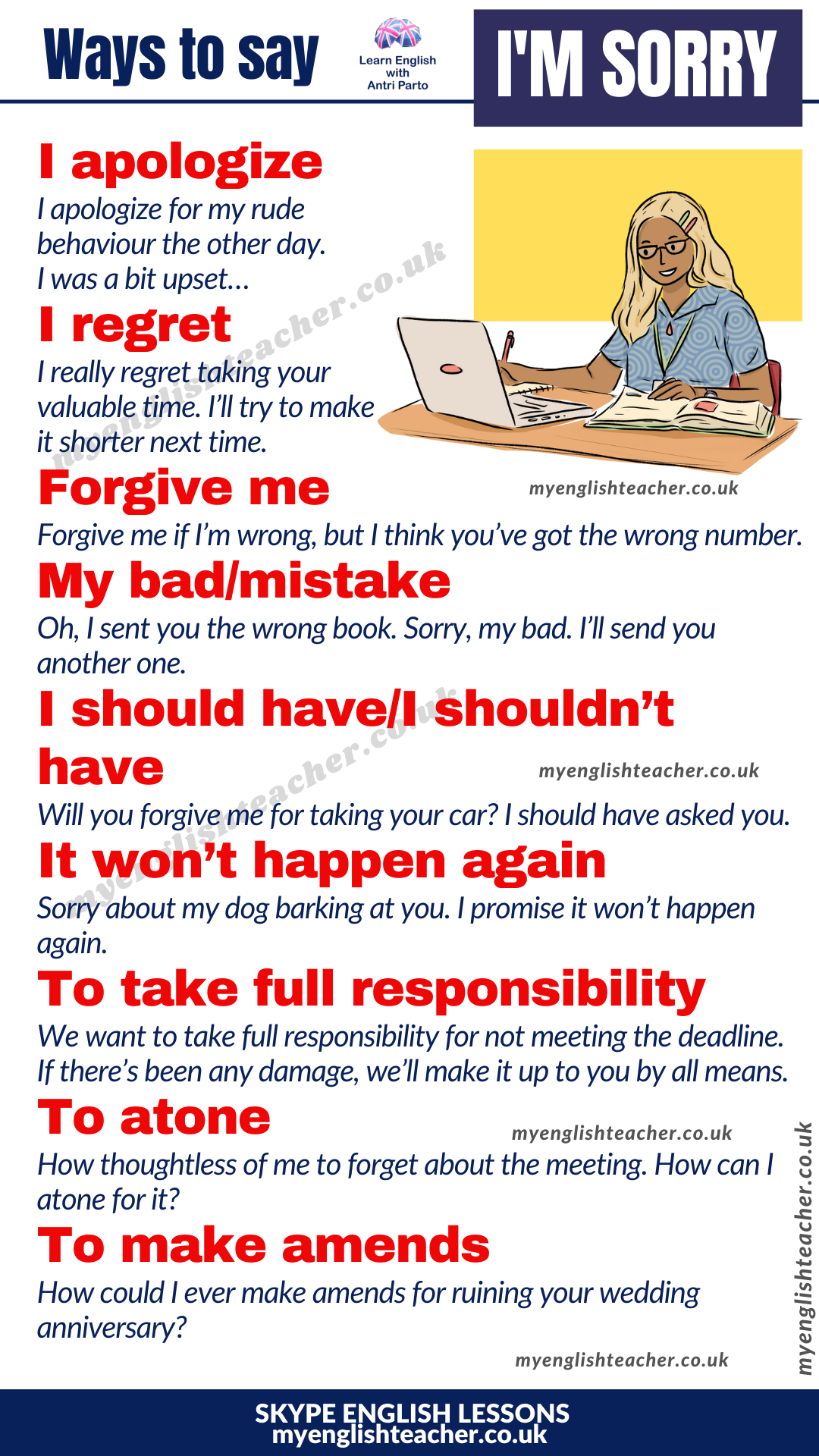
The Art of Apologizing: A Guide on How to Say Sorry to a Friend on Whatsapp
Are you struggling to apologize to a friend on WhatsApp? Do you find it difficult to put your thoughts into words, or worry that the other person might not accept your apology? You’re not alone. Apologizing can be a challenging task, especially when it comes to sensitive topics like friendships.
Understanding The Nature of Friendship
Friendships are built on trust, understanding, and mutual respect. When conflicts arise, it’s essential to approach them with empathy and sincerity. A genuine apology is a crucial step towards resolving issues and rebuilding relationships.
The Importance of Timing
Timing is everything when it comes to apologizing. It’s not just about saying sorry; it’s about being sincere and genuinely remorseful for your actions or words that may have hurt the other person.
Getting Ready to Apologize
Before you start writing a message, take some time to reflect on your actions and their impact on the other person. Consider the following:
- What exactly did you do wrong?
- How did it affect the other person?
- What can you do to prevent similar situations in the future?
Crafting Your Apology Message
Once you’ve reflected on your actions, start crafting a message that expresses your remorse and apologizes for what happened. Keep the following tips in mind:
- Be sincere: Make sure your apology is genuine and comes from the heart.
- Use “I” statements: Instead of blaming the other person, use “I” statements to take ownership of your actions.
- Avoid justifications: Refrain from making excuses or justifying your behavior. This can come across as insincere and may prolong the conflict.
- Show empathy: Try to see things from the other person’s perspective and acknowledge how they might have felt.
Examples of Apology Messages
Here are some examples of apology messages that you can use as a starting point:
- “Hey [Friend’s Name], I wanted to talk to you about what happened between us. I realize now that my actions were thoughtless, and I’m truly sorry for hurting you. Can we find a way to move forward?”
- “[Friend’s Name], I’ve been thinking a lot about our last conversation, and I want to apologize for what I said. It was uncalled for, and I shouldn’t have spoken to you like that. Please forgive me.”
- “Hey [Friend’s Name], I know we’ve had some issues lately, but I want you to know that I value our friendship and am committed to making things right. Can we talk about what happened and see if we can find a way to move forward together?”
The Art of Apologizing: Tips For a Successful Reconciliation
Reconciling with someone after a conflict requires effort from both parties. Here are some additional tips to help you achieve a successful reconciliation:
- Listen Actively: When the other person responds, make sure to listen carefully and respond thoughtfully.
- Avoid Defensiveness: Try not to become defensive or dismissive when confronted about your actions. This can escalate tensions and prevent meaningful dialogue.
- Take Responsibility: Acknowledge your mistakes and take ownership of your actions. This demonstrates maturity and a willingness to grow.
- Show Empathy: Put yourself in the other person’s shoes and try to understand their perspective.
By following these tips, you’ll be well on your way to crafting a genuine apology message that helps repair and strengthen your friendship.
Frequently Asked Questions (FAQs)
Here are some additional FAQs related to apologizing:
Q: What if my friend doesn’t respond or seems unwilling to forgive?
A: Give them time and space. Sometimes, people need time to process their emotions and come to terms with what happened. Try not to take it personally and avoid pressure tactics.
Q: How can I make sure my apology is sincere?
A: Reflect on your actions and their impact on the other person. Be honest with yourself about what you did wrong, and be willing to take ownership of your mistakes.
Q: What if I’m not sure how to apologize or don’t know where to start?
A: Take some time to reflect on your actions, and consider seeking advice from a trusted friend or mentor.
Q: Can apologies be too late?
A: While it’s ideal to apologize as soon as possible after a conflict, timing is less critical than sincerity. What matters most is that you take responsibility for your actions and express genuine remorse.
Reconciling with someone after a conflict can be challenging, but with empathy, understanding, and a willingness to grow, you can repair and strengthen your friendship.


