
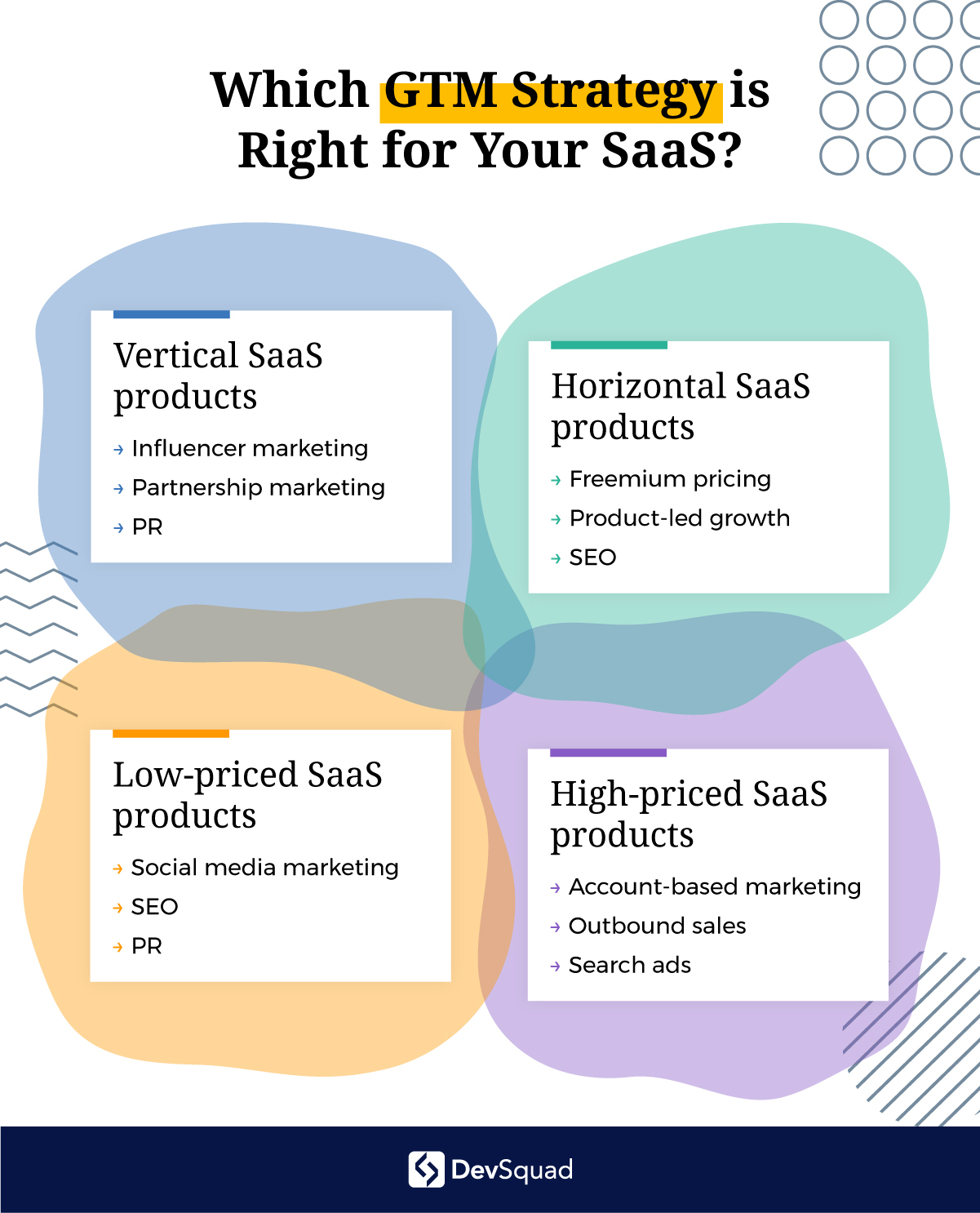
When launching a Software as a Service (SaaS) company, one of the most critical components in the business plan is the go-to-market (GTM) strategy. This comprehensive plan outlines how you will reach your target audience, deliver value, and achieve your sales goals. A well-crafted GTM strategy can make the difference between a thriving SaaS business and one that flounders.
In this article, we’ll guide you through the essential steps to build a robust go-to-market strategy for your SaaS business plan. Whether you’re a seasoned entrepreneur or just starting, these insights will help you carve your path in the competitive world of SaaS.
What is a Go-to-Market Strategy?
A go-to-market strategy is a blueprint that outlines how your company will engage with customers to sell your product or service. In the context of SaaS, it should detail market analysis, competitive positioning, target audience, pricing models, sales tactics, and marketing strategies. It effectively establishes how you’ll introduce your software to potential users.
Step 1: Define Your Target Market
Understand Your Target Audience
The foundation of any successful GTM strategy begins with a deep understanding of your target market. Who are the ideal customers for your SaaS product? Start by identifying your target audience based on demographics, industry, company size, and specific pain points that your software addresses.
Create Customer Personas
Once you have a clear idea of your target audience, create detailed customer personas. These semi-fictional representations of your ideal customers should include information about their goals, challenges, preferred communication channels, and buying behaviors. User personas help streamline your marketing and sales efforts and ensure that your messaging resonates with your audience.
Step 2: Conduct Market Research
Analyze Industry Trends
Stay informed about the trends and shifts within the SaaS industry. This can be done through online research, attending industry events, or subscribing to relevant publications. Understanding the current landscape will help you identify potential opportunities or threats for your business.
Study Your Competitors
Conduct a competitive analysis of other SaaS companies within your niche. Identify key players, their strengths, weaknesses, pricing strategies, and customer reviews. This information will provide insights into what works, what doesn’t, and how you can differentiate your offering in a crowded market.
Step 3: Develop Your Unique Value Proposition (UVP)
Define Your Unique Selling Points
Your Unique Value Proposition (UVP) is a statement that clearly articulates what sets your software apart from competitors. What unique features or benefits does your product provide? Why should customers choose your software over others?
Communicate Your UVP
Once you’ve defined your UVP, weave it into your marketing materials, from your website to sales presentations. Ensure that your messaging consistently reflects your software’s unique benefits in a way that addresses the needs of your target audience.
Step 4: Choose Your Pricing Model
Explore Different Pricing Strategies
Pricing is a crucial factor that can influence your SaaS product’s success. Consider different pricing models, such as subscription-based, tiered pricing, freemium, and pay-per-use. Your chosen model should reflect the value you offer and be aligned with your target audience’s willingness to pay.
Analyze Competitor Pricing
Review the pricing structures of your competitors to ensure your offerings are competitive. Avoid pricing yourself out of the market but also resist the temptation to underprice your services, which can devalue your product in the eyes of potential buyers.

- Overcome negative thought patterns, reduce stress, and live a worry-free life
- Overthinking is the biggest cause of unhappiness
- Don't get stuck in a never-ending thought loop
- Stay present and keep your mind off things that don't matter, and never will
- Break free of your self-imposed mental prison
Step 5: Develop Sales and Marketing Channels
Select Your Sales Strategy
Determine how you will sell your SaaS product. Options include direct sales, online sales, channel partners, or a hybrid approach. Each option comes with its benefits and challenges, so evaluate which aligns best with your goals and resources.
Build Your Marketing Strategy
An effective marketing strategy will drive awareness and demand for your software. Consider various channels such as content marketing, social media, email marketing, SEO, and paid advertising.
-
Content Marketing: Create valuable content that caters to your audience’s needs. This could be in the form of blog posts, videos, webinars, or podcasts.
-
SEO: Optimize your website to improve visibility in search engines. Focus on key phrases that your target audience uses when searching for solutions you provide.
-
Social Media: Utilize platforms where your audience spends their time to create engaging posts or ads. Tailor your content to fit the nuances of each social media platform.
-
Email Marketing: Build an email list of interested contacts and nurture leads with targeted campaigns that provide them with valuable information and offers.
Step 6: Develop a Strong Customer Onboarding Process
Make Onboarding Seamless
Customer success often begins with effective onboarding. Create a streamlined onboarding process that helps new users understand how to use your SaaS product and start seeing value right away.
Offer Support and Resources
Provide comprehensive support resources, including tutorials, FAQs, and live support options. Consider implementing chatbots for immediate assistance or scheduling regular check-ins with new customers to address any concerns.
Step 7: Gather Customer Feedback and Iterate
Continuous Improvement
Once your product is in the hands of users, collect constant feedback through surveys, reviews, and direct communication to identify areas for improvement. Use this feedback to make necessary updates and enhancements to your software, ensuring it evolves with customer needs.
Create a Customer Success Program
Invest in developing a customer success program that focuses on ensuring your customers achieve their desired outcomes using your software. Happy customers lead to renewals, referrals, and upsells.
Step 8: Measure and Adjust Your Strategy
Track Key Performance Indicators (KPIs)
Establish KPIs to evaluate the success of your go-to-market strategy. Common KPIs in the SaaS industry include customer acquisition cost (CAC), customer lifetime value (CLV), churn rate, and conversion rates.
Be Flexible and Adapt
The landscape of your business can change rapidly. Be prepared to pivot your strategy based on performance data and market trends. The ability to adapt quickly may be one of your most significant advantages.
Conclusion
Creating an effective go-to-market strategy is a crucial step in launching a successful SaaS business. It requires thoughtful planning, research, and an understanding of your market and competitors. By defining your target audience, crafting a unique value proposition, developing a comprehensive sales and marketing strategy, and continuously iterating based on customer feedback, you pave the way for your software’s success.
Remember, a go-to-market strategy is not static – it evolves with your business. Consistent measurement and adjustment will help ensure that your SaaS company remains competitive and continues to meet the evolving needs of your customers. Get started today, and set the stage for a thriving SaaS business!


