
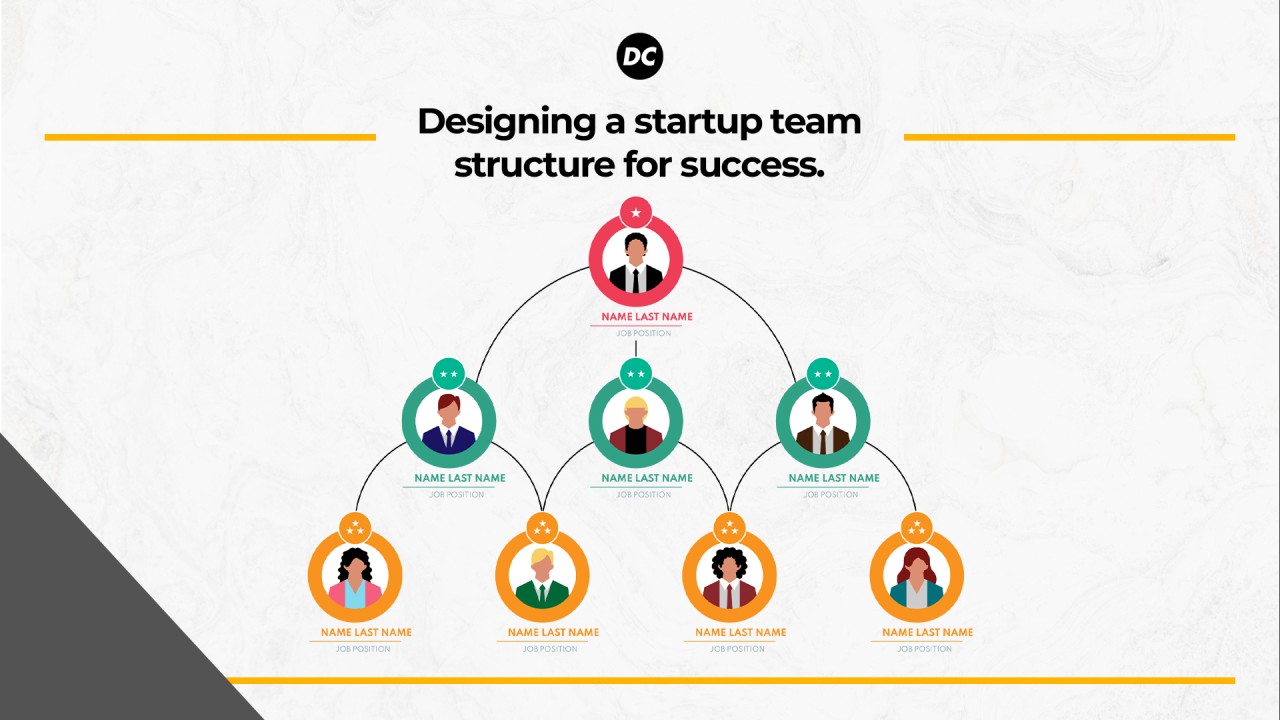
In the competitive world of startups, finding the right people can make or break your venture. If you’re strategizing how to build a startup team that delivers results, you’re in the right place. This article will guide you through the intricate steps needed to assemble a winning team capable of weathering challenges and driving your business toward success.
Understanding the Importance of Team Dynamics
Before diving into the nitty-gritty of team-building, let’s explore why having the right team is crucial for your startup. A startup is not just about a great idea or product; it’s about execution. According to a study by Harvard Business Review, the effectiveness of a team can directly impact a startup’s performance. Team dynamics, communication, collaboration, and culture play significant roles in determining your startup’s trajectory.
The Pillars of a Result-Driven Team
When building your team, you should focus on these key pillars:
- Communication: Open channels of communication foster trust and transparency, allowing team members to feel safe sharing ideas.
- Culture: A positive team culture encourages collaboration, innovation, and motivation among team members.
- Skill Diversity: A blend of skills from different backgrounds can inspire creative solutions and provide varied perspectives.
- Passion: Members who are genuinely passionate about the project are more likely to go the extra mile.
Step-by-Step Guide to Building Your Startup Team
Now that we grasp the significance of building the right team, let’s break down the steps involved in assembling a startup dream team.
Step 1: Define Your Vision and Goals
Before recruiting, clearly articulate your startup’s vision and objectives. What problem are you aiming to solve? Who is your target audience? Defining these foundational aspects helps potential team members align their efforts with the startup’s goals.
Step 2: Identify Key Roles
Once your vision is clear, identify the roles necessary to help you achieve your startup goals. Think about what core competencies your team should possess to deliver results. For most startups, the crucial roles can include:
- Product Manager: To oversee product development and ensure it aligns with customer needs.
- Developers/Engineers: For creating and maintaining the product.
- Marketing Specialists: To promote your product and build your brand awareness.
- Sales Professionals: To convert leads into customers.
Actionable Tip: Write detailed job descriptions for each role, highlighting the skills and experiences required.
Step 3: Source Talent
Where do you find these exceptional candidates? The answer lies in multiple channels. Utilize social media platforms like LinkedIn, industry-specific job boards, and startup incubators. Networking events can also serve as goldmines for talent.
Actionable Tip: Don’t underestimate the power of referrals. Encourage your current network to recommend individuals who may fit the desired roles.
Step 4: Assess Culture Fit
While skills and experience are essential, assessing culture fit can be a game-changer. A candidate who resonates with your startup’s culture is likely to be more engaged and productive. During the interview process, evaluate how candidates can integrate into the existing team dynamics.

- Overcome negative thought patterns, reduce stress, and live a worry-free life
- Overthinking is the biggest cause of unhappiness
- Don't get stuck in a never-ending thought loop
- Stay present and keep your mind off things that don't matter, and never will
- Break free of your self-imposed mental prison
Actionable Tip: Use behavioral interview questions that reflect your core values. For example, ask about a time they contributed to a team-focused goal.
Step 5: Implement a Trial Period
Consider instituting a probationary period for new hires. This phase allows both you and the candidates to assess compatibility before making a long-term commitment. It also provides an opportunity for new team members to understand workflows, expectations, and team culture.
Actionable Tip: Clearly communicate the goals and KPIs for the trial period so that everyone is on the same page.
Step 6: Foster Continuous Learning
Once you’ve built your team, invest in their growth. Startups often evolve and pivot quickly, so it’s essential that your team is adaptable. Providing opportunities for professional development keeps morale high and skills relevant.
Actionable Tip: Schedule regular training sessions, workshops, or access to online courses tailored to your team’s needs.
Step 7: Encourage Collaboration and Feedback
Create an environment where feedback is encouraged and viewed as a tool for growth rather than criticism. Regular check-ins foster open communication, allowing your team to voice concerns and celebrate achievements.
Actionable Tip: Use team-building activities and collaborative projects to enhance relationships among team members.
Building a Remote Startup Team
In recent years, remote work has transformed the startup landscape. If you’re considering building a remote team, there are additional factors to consider.
Emphasize Communication Tools
Utilize tools like Slack, Zoom, and Asana to facilitate remote collaboration. Effective communication is a cornerstone of remote work success.
Cultivate an Inclusive Remote Culture
Organize virtual team-building exercises and encourage casual conversations. Make an effort to include every team member, regardless of their location.
Set Clear Goals and Expectations
In the absence of face-to-face interactions, it becomes even more crucial to establish clear objectives for every project. Break down larger goals into smaller, manageable tasks.
Conclusion: The Road Ahead
Building a startup team that delivers results requires a significant investment of time and energy. However, when executed thoughtfully, you’ll find that the right team can multiply your chances of success. Focusing on communication, culture, and continuous learning while aligning your team with your startup’s vision sets the foundation for not only meeting your goals but exceeding them.
As you venture into this exciting journey, remember that assembling a team is an ongoing process. Stay open to revisiting your strategies to adapt to changing circumstances and emerging talent—after all, your startup is only as strong as the team behind it.
Now, go out there and build your winning startup team! Your ideas deserve a dedicated group of passionate individuals who are ready to help you take the world by storm. Whether you’re just starting or looking to scale, every great startup story begins with the people who champion it. Happy team building!


