
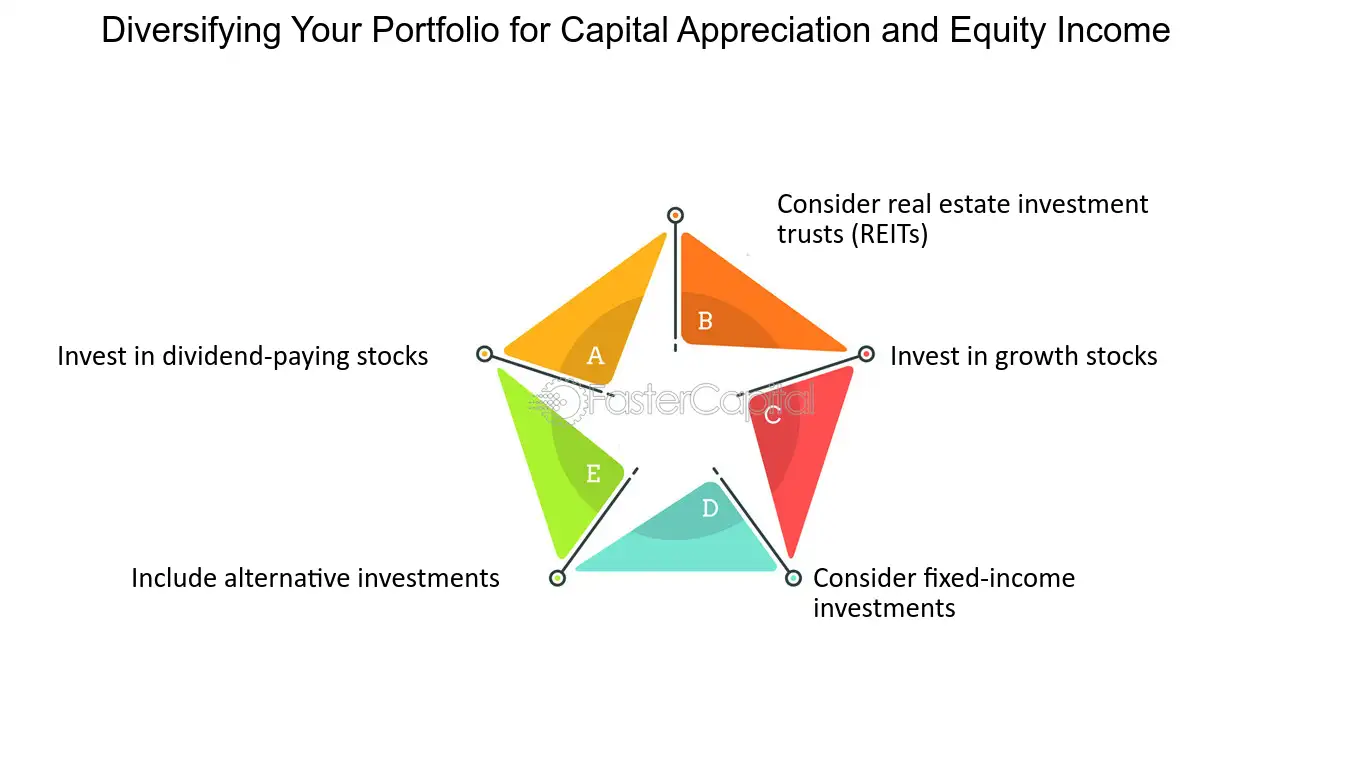
In our ever-evolving financial landscape, one question reverberates among investors: “How can I build a stock portfolio for capital appreciation?” Whether you’re starting your investment journey or looking to refine your strategy, understanding the mechanics behind capital appreciation is vital. This guide will delve deep into the nuances of crafting a stock portfolio that focuses on capital appreciation, blending key principles with actionable insights.
Understanding Capital Appreciation
Before we dive into the specifics of building a stock portfolio, it’s important to grasp what capital appreciation means. At its core, capital appreciation refers to the increase in the value of an asset over time. In the context of the stock market, this means buying stocks with the expectation that they will rise in value as the company grows and the market evolves.
Why Focus on Capital Appreciation?
While dividend stocks can provide steady income, capital appreciation is often appealing due to its potential for higher overall returns. By investing in stocks that are likely to appreciate in value, investors can aim for substantial gains over time. This long-term investment strategy works best in a well-researched, diversified portfolio.
Steps to Build a Stock Portfolio for Capital Appreciation
Step 1: Define Your Investment Goals
Before selecting specific stocks, clarify your financial goals. Are you investing for retirement, a major purchase, or education for your children? Understand your time horizon, risk tolerance, and financial needs. A well-defined objective lays the groundwork for your investment strategy.
Step 2: Conduct Thorough Research
Building a successful portfolio starts with diligent research. Look for companies that have strong growth potential. Key areas to consider include:
-
Industry Trends: Investigate industries with robust growth prospects. Technology, renewable energy, and pharmaceuticals are examples of sectors poised for expansion.
-
Company Fundamentals: Analyze financial statements, including revenue growth, profit margins, and return on equity. Companies with solid fundamentals tend to be more reliable for long-term growth.
-
Management Team: A strong management team is crucial for a company’s success. Research the leadership’s track record and strategic vision.
Step 3: Diversify Your Investments
Diversification is paramount when building a stock portfolio for capital appreciation. Spreading your investments across various sectors reduces risk, ensuring that your portfolio is resilient against market volatility. Consider the following strategies for diversification:
-
Sector Diversification: Invest in a mix of sectors—technology, healthcare, consumer goods, and finance—to shield your portfolio from sector-specific downturns.
-
Geographical Diversification: Explore international markets. Investing outside the U.S. can uncover opportunities in emerging markets that may not be as correlated with domestic markets.
-
Market Capitalization: Include a mix of small-cap, mid-cap, and large-cap stocks. Smaller companies often have higher growth potential, while larger companies provide stability.
Step 4: Choose the Right Stocks
Identifying the right stocks is pivotal to achieving capital appreciation. Here are several strategies to help you select winning stocks:
-
Growth Stocks: Look for companies that demonstrate consistent earnings growth and have future expansion potential. Google, Amazon, and Tesla are classic examples of growth stocks that have appreciated significantly over time.
-
Value Stocks: While focusing on growth, don’t overlook value stocks—these are companies trading below their intrinsic value due to temporary setbacks or negative market sentiment. Identifying undervalued companies can lead to significant appreciation when the market corrects.
-
Quality Stocks: Invest in companies with a strong competitive advantage, solid balance sheets, and good cash flow. These stocks may not grow as fast as pure growth stocks, but they offer a level of stability.

- Overcome negative thought patterns, reduce stress, and live a worry-free life
- Overthinking is the biggest cause of unhappiness
- Don't get stuck in a never-ending thought loop
- Stay present and keep your mind off things that don't matter, and never will
- Break free of your self-imposed mental prison
Step 5: Monitor Your Portfolio Regularly
Creating a diversified portfolio is just the beginning; continuous monitoring is crucial. Financial markets are dynamic, impacted by economic trends, political events, and corporate announcements. Regularly review your portfolio to assess performance and rebalance as necessary.
-
Set Regular Check-Ins: Schedule quarterly or biannual reviews of your portfolio. Analyze the performance of your stocks, and don’t hesitate to make adjustments if certain investments underperform.
-
Stay Informed: Keep yourself updated on market trends and economic developments. Tools such as financial news outlets, stock analysis platforms, and newsletters can provide valuable insights.
Step 6: Be Patient and Stay the Course
Investing for capital appreciation is a long-term strategy. It’s easy to get swayed by short-term market fluctuations, but patience is key. Market corrections may test your resolve, but maintaining a long-term vision often pays off.
-
Avoid Emotional Investing: Don’t let fear or greed dictate your investment decisions. Stick to your strategy and stay focused on your long-term goals.
-
Reinforce Knowledge: The more you learn about investing and financial markets, the better equipped you are to make informed decisions. Reading books, attending webinars, and engaging in investment communities can enhance your understanding.
Step 7: Utilize Investment Tools
Several tools and resources can aid in your journey to build a stock portfolio focused on capital appreciation. Here are some of the most helpful:
-
Stock Screeners: Use stock screening tools to filter potential investments based on criteria such as P/E ratios, growth rates, and return on equity.
-
Investment Apps: Leverage technology to stay on top of your investment portfolio. Apps like Robinhood, Acorns, and E*TRADE provide user-friendly platforms for buying stocks, tracking performance, and performing research.
-
Robo-Advisors: If you’re unsure about picking stocks yourself, consider using a robo-advisor. These digital platforms create investment portfolios tailored to your risk tolerance and investment goals.
Conclusion
Building a stock portfolio for capital appreciation is both a science and an art. By understanding your goals, conducting thorough research, diversifying your investments, and staying informed, you can create a portfolio that not only grows your capital but also withstands the test of time.
As you embark on this journey, remember that successful investing is a marathon, not a sprint. With patience and diligent effort, you can develop a robust stock portfolio that leads to substantial capital appreciation. So, set your goals, do your homework, and begin your investment voyage today. The markets await your findings, and with the right strategies in place, you may just find the financial growth you’ve been seeking. Happy investing!
In this article, we’ve aimed to provide you with a comprehensive understanding of how to build a stock portfolio oriented towards capital appreciation. By following these steps and remaining committed to your investment strategy, you can position yourself for a prosperous financial future.


