
Starting a new business is an exciting venture, filled with opportunities for growth and success. However, for every entrepreneur, there lies a critical decision that can affect the long-term viability and financial health of their startup: choosing the right business structure. This choice not only influences how your business operates but can also significantly impact your tax liability. In this article, we will guide you through the different business structures available, how they can affect your taxes, and tips to minimize your tax burden while maximizing potential benefits.
Understanding Business Structures
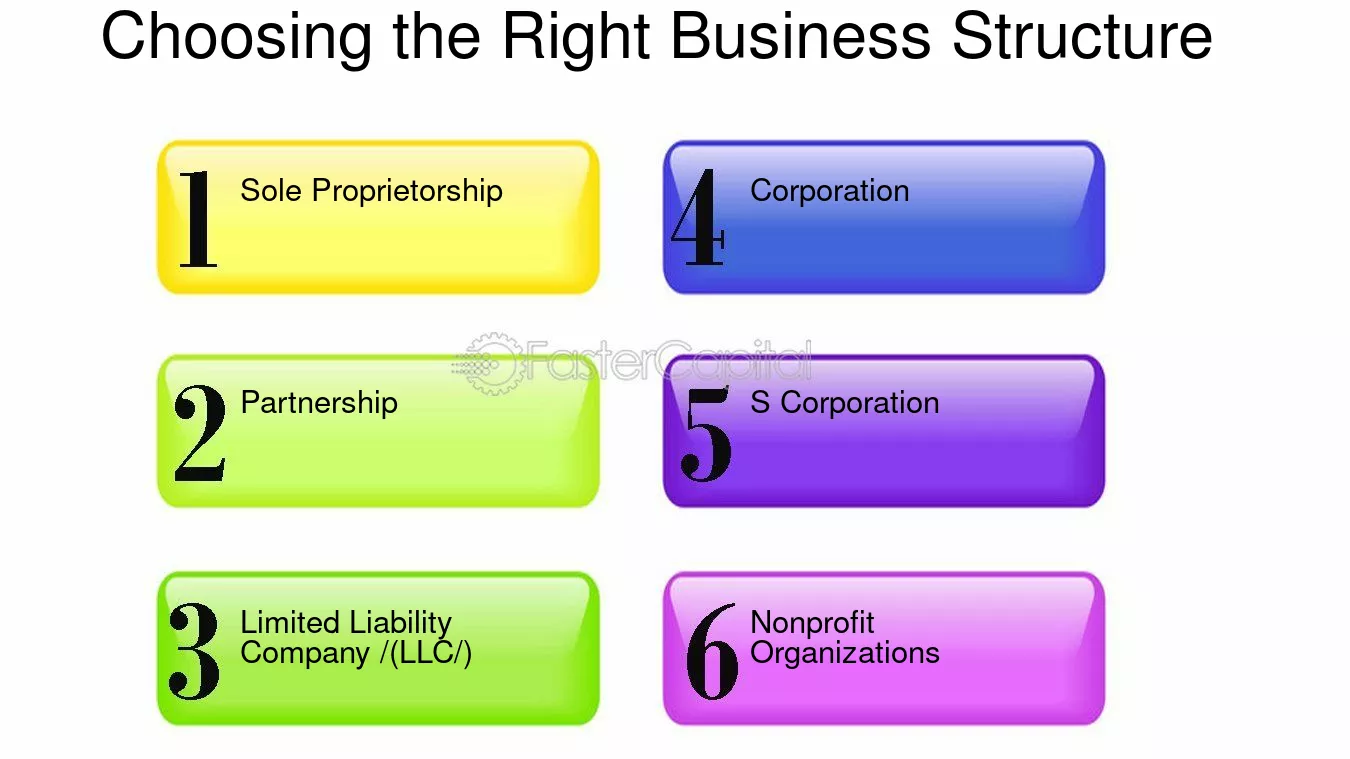
When it comes to structuring your startup, there are a few primary options to consider:
- Sole Proprietorship
- Partnership
- Limited Liability Company (LLC)
- Corporation
- S Corporation
Each of these structures has its unique features, benefits, and drawbacks. To choose the right one, it’s essential to understand how they work and how they can influence your taxes.
1. Sole Proprietorship
A sole proprietorship is the simplest business structure, wherein one individual owns and operates the business. This option is attractive because it requires minimal paperwork and has fewer regulatory requirements.
Tax Implications:
As a sole proprietor, your business income is reported on your personal tax return, and you are subject to self-employment taxes. While this can simplify your tax filing process, it can also lead to higher tax rates if your income reaches a certain level. Additionally, sole proprietors have unlimited personal liability for debts and claims against the business.
Tax Minimization Tips:
– Track and deduct all business expenses, including home office deductions, to lower your taxable income.
– Consider using the standard mileage rate for business-related travel deductions instead of tracking actual expenses.
2. Partnership
Partnerships involve two or more individuals who share ownership and operation of a business. This structure allows for diverse skills and resources, which can benefit the startup environment.
Tax Implications:
Partnerships are pass-through entities, meaning profits and losses pass through to the individual partners’ tax returns. This means you only pay taxes at the individual level, which could potentially lower your tax rate.
Tax Minimization Tips:
– Draft a detailed partnership agreement to clarify profit-sharing and decision-making, helping to avoid potential disputes that could lead to financial losses.
– Each partner should take deductions for legitimate business expenses to reduce taxable income collectively.
3. Limited Liability Company (LLC)
An LLC combines the benefits of a corporation and a partnership. This hybrid structure protects personal assets from business liabilities while also offering tax flexibility.
Tax Implications:
LLCs can choose how they want to be taxed. By default, if there’s only one owner, they’re treated as a sole proprietorship; if multiple owners, as a partnership. However, LLCs can also elect to be taxed as an S Corporation or C Corporation, which can influence tax savings.
Tax Minimization Tips:
– Take advantage of the business expense deductions available to LLCs, including startup costs and necessary investments.
– If possible, elect S Corporation tax status to help reduce self-employment taxes on distributions you take from your profits.
4. Corporation
Corporations are separate legal entities, meaning they can enter contracts, incur debts, and pay taxes independently from their owners. This structure is generally best for larger startups that seek investment through equity financing.
Tax Implications:
Typically, corporations face double taxation: first on profits at the corporate level and again on dividends distributed to shareholders. However, they can benefit from a wide array of tax deductions and credits.
Tax Minimization Tips:
– Explore options for retaining earnings within the corporation to defer taxes rather than distributing them immediately.
– Utilize common corporate deductions, such as health insurance plans and retirement contributions.

- Overcome negative thought patterns, reduce stress, and live a worry-free life
- Overthinking is the biggest cause of unhappiness
- Don't get stuck in a never-ending thought loop
- Stay present and keep your mind off things that don't matter, and never will
- Break free of your self-imposed mental prison
5. S Corporation
An S Corporation is a special type of corporation that meets specific Internal Revenue Code requirements. It allows profits and losses to pass through directly to shareholders’ personal tax returns, thus avoiding double taxation.
Tax Implications:
S Corporations can significantly lower self-employment tax bills since shareholders only pay self-employment taxes on their salary, not on distributions.
Tax Minimization Tips:
– Set your salary at a reasonable level to minimize self-employment taxes while taking additional earnings as distribution that are not subject to these taxes.
– Ensure compliance with IRS regulations concerning S Corporation distributions and officer compensation.
Factors to Consider When Choosing a Business Structure
Choosing a business structure isn’t solely about taxes, though they are important. Here are some additional factors that can help you make the right decision for your startup:
1. Liability Protection
One of the primary reasons entrepreneurs choose LLCs and corporations over sole proprietorships and partnerships is the protection they offer against personal liability. If your business incurs debt or is sued, your personal assets may be at risk unless you choose a structure that limits your liability.
2. Administrative Costs and Complexity
Some business structures require more complex paperwork, higher formation costs, and increased regulatory requirements. Consider your willingness and ability to manage these tasks when selecting your business structure.
3. Future Goals
Consider where you see your startup in the future, particularly regarding investment goals and expansion. If you plan to seek investors, starting as a corporation may be advantageous, as it allows for different classes of stock.
4. Ownership Structure
If you plan to bring on partners or investors, certain structures may be more favorable. For example, an LLC may provide more flexibility regarding profit distribution among members than a corporation would.
5. Tax Deductions and Credits
Research the potential tax deductions and credits available for each business structure. Different structures allow deductions for different types of expenses, which can reduce your overall tax burden.
Common Mistakes in Choosing the Wrong Business Structure
-
Ignoring Future Changes: Choosing a structure based solely on current circumstances can lead to complications later. It’s essential to anticipate potential growth or changes in ownership.
-
Underestimating Complexity: Some entrepreneurs do not fully understand the ongoing compliance and taxation rules tied to their chosen structure, leading to costly mistakes.
-
Neglecting Professional Advice: Many first-time entrepreneurs skip consulting with a tax professional or business attorney. Doing so could lead to costly errors down the line.
Consulting With Professionals
Choosing the right business structure can be a complicated decision, and it’s often beneficial to consult with professionals to help navigate your options. Tax advisors, business attorneys, and accountants can provide personalized insights based on your specific situation and goals, offering a clearer picture of potential liabilities and benefits.
Final Thoughts
Choosing the right business structure is a crucial step for any entrepreneur looking to minimize taxes and protect personal assets. With careful consideration of your business goals, current situation, and long-term vision, you can determine the structure that best suits your startup. Remember, what works for one entrepreneur may not work for another, so take your time to research and seek professional guidance. Ultimately, the right choice will equip you with the tools necessary for a successful and sustainable business.
In conclusion, savvy entrepreneurs understand that minimizing taxes is an ongoing process, not just a one-time decision. As your startup grows and evolves, regularly reviewing your business structure can help ensure that you’re still positioned to get the most benefits. Happy planning, and best of luck on your entrepreneurial journey!


