
Creating a Crypto: A Step-by-step Guide
As a passionate individual in the crypto world, you might have had a brilliant idea for a blueprint on blockchain that can capsize the world. Before diving into the details, it’s essential to understand that creating a crypto is not a simple process, and it requires significant knowledge and expertise.
Understanding The Risks Involved
Creating a crypto can be a complex and challenging task, especially if you’re new to the field. It’s crucial to remember that these activities are not considered safe investments and should not be taken lightly. Additionally, creating a crypto with the intention of perpetrating swindles will be pursued criminally and may result in severe penalties.
The Importance of Choosing a Suitable Blockchain
Before diving into the process of creating a crypto, it’s essential to understand the differences between various blockchains and choose the one that suits your needs. Bitcoin, Ethereum, and PancakeSwap are excellent examples of popular blockchains that serve different purposes. Understanding these differences will help you make an informed decision about which blockchain to use.
Creating a Crypto: A Step-by-step Guide
-
Choose a Suitable Algorithm: The first step in creating a crypto is choosing the right algorithm for consensus. There are two primary options: Proof-of-work (PoW) and proof-of-stake (PoS). While PoW has been used by Bitcoin, it’s considered energy-intensive and may not be sustainable in the long run.
-
Selecting a Suitable Consensus Algorithm: Selecting a suitable consensus algorithm is crucial for creating a crypto that can capsize the world. Between PoW and PoS, the latter is more efficient and requires less energy consumption.
-
Understanding The Role of Mining: Creating a bitcoin requires significant computational power, which can be expensive and may not yield profits in the long run. Understanding the role of mining in creating a crypto is essential for making informed decisions.
-
The Importance of Creating a Blockchain: If your blueprint has big ambitions or you want to create something independent of others, it’s essential to create a blockchain. This will allow you to have full control over the system and ensure that your vision aligns with the market demands.
-
Creating a Wallet: A Step-by-step Guide
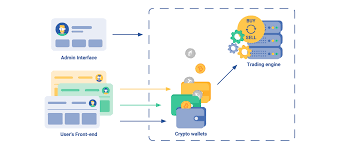
Creating a wallet requires significant knowledge and expertise in coding and blockchain technology. Understanding the difference between hardware wallets, which are safer because they’re disconnected from the internet, and software wallets, which can be easily installed on browsers or mobile devices, is essential for making informed decisions.
- Understanding The Role of an Exchange: Creating a crypto exchange requires significant knowledge and expertise in creating a platform that allows users to buy and sell cryptocurrencies. Understanding the difference between decentralized exchanges (DEXs) and centralized exchanges (Cex) is crucial for creating a successful platform.
Conclusion
Creating a crypto is not a simple process, especially if you’re new to the field. It requires significant knowledge and expertise in coding, blockchain technology, and market analysis. Before embarking on this journey, it’s essential to understand the risks involved, the importance of choosing a suitable blockchain, and the role of mining and exchanges.
Frequently Asked Questions (FAQs)
- What is The Primary Difference Between Bitcoin And Ethereum?
Bitcoin was created to substitute or assign fiat money and traditional banking systems, while Ethereum serves as a platform for Web 3, a new form of Internet that’s developing parallel to the existing one.
- How do I Create a Crypto Wallet?
To create a wallet, you’ll need significant knowledge and expertise in coding and blockchain technology. You can either use open-source code available online or hire external programmers to help you with this process.
- What is The Primary Difference Between a Hardware Wallet And Software Wallet?
Hardware wallets are safer because they’re disconnected from the internet, while software wallets can be easily installed on browsers or mobile devices.
- How do I Create an Exchange For Cryptocurrencies?
Creating an exchange requires significant knowledge and expertise in creating a platform that allows users to buy and sell cryptocurrencies. You’ll need to understand the difference between decentralized exchanges (DEXs) and centralized exchanges (Cex).
- What is The Primary Risk Involved in Creating a Crypto?
The primary risk involved in creating a crypto is the potential for it to be considered a high-risk investment and the possibility of perpetrating swindles, which may result in severe penalties.
- How do I Choose The Right Consensus Algorithm For my Crypto?
Between proof-of-work (PoW) and proof-of-stake (PoS), PoS is more efficient and requires less energy consumption, making it a better option for creating a sustainable crypto.
- What is The Role of Mining in Creating a Bitcoin?
Mining requires significant computational power, which can be expensive and may not yield profits in the long run. Understanding the role of mining in creating a crypto is essential for making informed decisions.
- How do I Ensure That my Crypto Exchange is Secure And Reliable?
To ensure that your crypto exchange is secure and reliable, you’ll need to understand the importance of choosing a suitable blockchain, the difference between DEXs and Cex, and the role of mining and exchanges in creating a successful platform.


