
Starting a business is a thrilling journey filled with many challenges, one of which is developing an effective tax strategy. As we edge closer to 2024, it’s essential for entrepreneurs to be proactive about their tax planning. An effective tax strategy can help you minimize your tax liability, maximize your deductions, and ensure compliance with state and federal regulations, setting your startup on the path to success. Whether you’re in the nascent stages of your business or looking to refine your existing strategy, here’s how you can create a robust tax plan for your startup.
Understanding Taxes and Startups
The tax landscape for startups can be quite complex, and every business is unique. Startups often have different types of income, expenses, and deductions compared to established businesses. Additionally, the tax benefits you can leverage vary based on your business structure—be it an LLC, corporation, or sole proprietorship.
Key Components of a Tax Strategy
- Choose the Right Business Structure
One of the most critical decisions you’ll make as a startup is the structure of your business. The choice between a sole proprietorship, partnership, LLC, or corporation affects how you file taxes, the liabilities you face, and the eventual tax burden. For instance:
-
Sole Proprietorship: The simplest option, where the individual owner reports business income on personal tax returns. However, it can expose personal assets to risk.
-
LLC: Offers liability protection while allowing you to choose how you are taxed (as a sole proprietor, partnership, or corporation).
-
Corporation: Provides the strongest protection but can lead to double taxation. However, S-Corp elections can mitigate this.
Take your time to evaluate your options, considering factors like liability, taxes, and future growth.
- Keep Detailed Financial Records
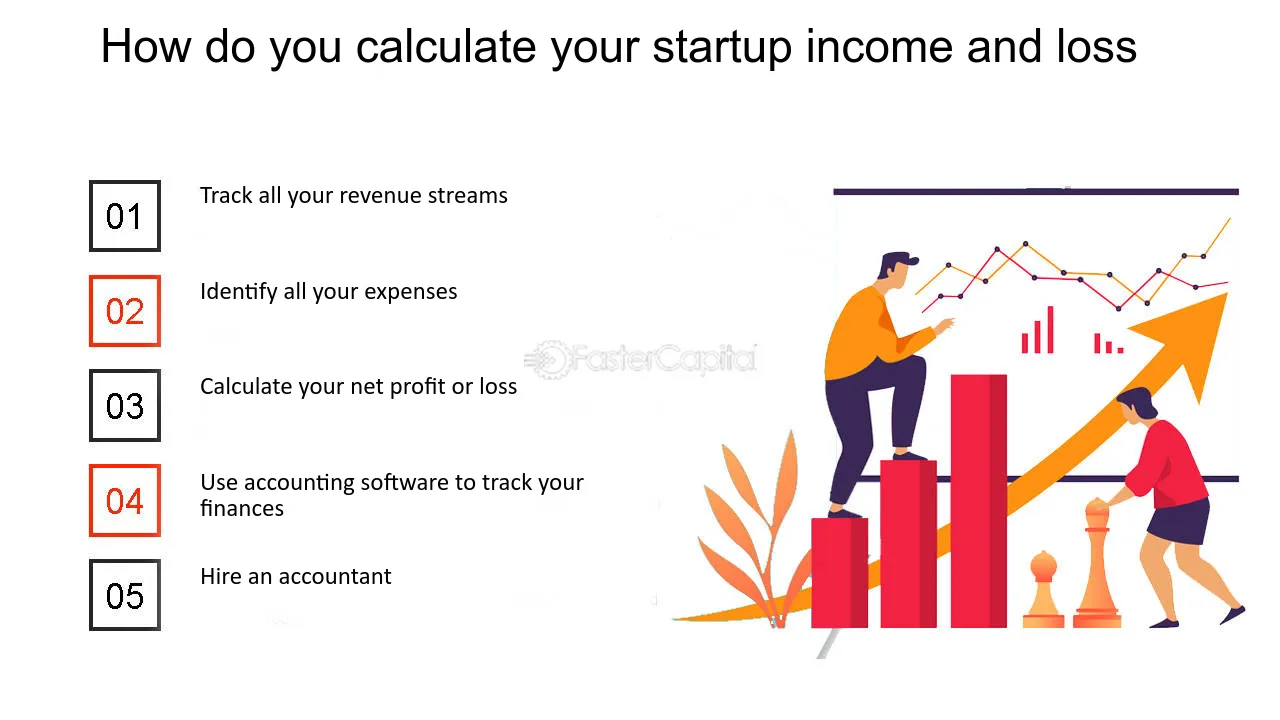
Accurate record-keeping is foundational to a solid tax strategy. Document every income and expense, and categorize them correctly. This process not only makes filing taxes easier, but it also ensures you can substantiate your deductions if audited.
Implementing accounting software can help facilitate this process. Tools like QuickBooks, Xero, or FreshBooks offer user-friendly interfaces for tracking financials. Think about integrating a cloud-based solution to access your data from anywhere and keep it secure.
- Identify Deductible Business Expenses
Understanding which expenses are deductible can significantly reduce your taxable income. Common deductible expenses include:
- Cost of Goods Sold (COGS): Direct costs tied to the production of your products.
- Operating Expenses: Rent, utilities, office supplies, and salaries.
- Travel Expenses: Travel for business (flights, hotels, meals) is deductible.
- Marketing and Advertising Costs: Money spent to promote your business.
- Professional Services: Fees for accountants, legal services, or consultants.
Stay informed about any changes in tax laws regarding deductions to ensure you’re not missing potential savings.
- Consider Tax Credits
Tax credits reduce your tax liability dollar-for-dollar and can be more valuable than deductions. Some credits applicable to startups include:
- Research and Development (R&D) Tax Credit: If your startup invests in innovation, you might qualify for this credit.
- Work Opportunity Tax Credit (WOTC): If you hire individuals from certain target groups, this credit can reduce your tax bill.
- Small Business Health Care Tax Credit: If you provide health insurance to your employees, you may be eligible for this credit under specific conditions.
Research these credits to understand the qualifications and application processes—they can have a significant impact on your tax strategy.
- Plan for Estimated Taxes
Unlike employees who have taxes withheld from their paychecks, self-employed individuals or business owners often need to pay estimated taxes quarterly. Failing to plan for these payments can lead to unexpected penalties and interests.
To prevent cash flow issues, estimate your annual tax liability and divide it into quarterly payments. Keeping aside a percentage of your earnings specifically for taxes can ease your financial burden.
- Utilize Retirement Accounts for Tax Benefits
As a startup owner, contributing to retirement accounts not only prepares you for the future but can also provide immediate tax benefits. Consider options like:
- Solo 401(k): Great for sole proprietors, allowing significant contributions and tax deductions.
- SEP IRA: Suitable for small businesses, allowing you to save a substantial amount with tax-deferred growth.
- Simple IRA: Easier to manage for small businesses, enabling you to contribute for your employees while lowering taxable income.
These accounts can enhance your tax strategy while securing your financial future.
- Hire a Tax Professional
As your startup grows, the complexity of your tax strategy will likely increase. Hiring a tax professional can provide valuable insights and ensure compliance with tax laws. A qualified CPA or tax advisor can help you identify deductions, credits, and strategies unique to your business.
When choosing a tax professional, look for someone with experience in your industry and who understands the specific challenges startups face. Investing in expert advice can save you money and provide peace of mind.
- Stay Updated on Tax Law Changes
Tax laws are constantly evolving, and staying abreast of these changes is crucial for your startup. Changes in federal or state regulations can impact your tax obligations, deductions, and credits. Subscribe to finance-related newsletters, follow IRS updates, and attend tax planning seminars to keep up-to-date.
Especially at the turn of the year, new regulations may come into play. Set a calendar reminder to review any relevant changes and adapt your strategy accordingly.
- Review Your Strategy Regularly
Your initial tax strategy will not be one-size-fits-all as your business evolves. Regularly reviewing your tax strategy ensures it aligns with your business’s current situation. Factors such as revenue growth, changes in business structure, or new employees could necessitate adjustments.
Conducting an annual review, ideally before the end of the financial year, gives you the time to make significant changes without rushing to meet deadlines.
-
Understand Your State and Local Tax Obligations
While federal tax law sets a foundation for taxation, state and local tax obligations can vary dramatically. Research the tax requirements specific to your location, as they can include income tax, sales tax, and property tax.
Additionally, some states offer incentives for startups or specific industries, so taking full advantage of these opportunities can significantly benefit your tax strategy.

- Overcome negative thought patterns, reduce stress, and live a worry-free life
- Overthinking is the biggest cause of unhappiness
- Don't get stuck in a never-ending thought loop
- Stay present and keep your mind off things that don't matter, and never will
- Break free of your self-imposed mental prison
Conclusion
Creating an effective tax strategy for your startup in 2024 is an essential step towards achieving long-term success. By understanding different business structures, maintaining accurate records, and taking full advantage of available deductions and credits, you can minimize your tax burden while ensuring compliance with regulatory requirements. Additionally, enlisting the help of a tax professional and staying informed about changes in tax law will empower you to navigate the complexities of taxation with confidence.
As you embark on this journey, remember that effective tax planning is not a one-time task but an ongoing process. Taking the time to regularly assess and adapt your strategy will provide you with financial stability, allowing you to focus on what truly matters—growing your startup and achieving your entrepreneurial dreams in 2024 and beyond.
This comprehensive guide aims to provide a human touch while addressing a common concern for many startups. It combines practical advice with a conversational style, making the content relatable for readers, while keeping SEO principles in mind to ensure visibility on search engines.


