
When diving into the world of Software as a Service (SaaS), entrepreneurs often encounter jargon that can be overwhelming. One term that pops up frequently is the Minimum Viable Product, or MVP. In an industry that thrives on innovation and rapid iterations, understanding how to define an MVP is crucial for business success. This article will guide you through the intricacies of defining an MVP in a SaaS business plan, providing actionable insights for both budding entrepreneurs and seasoned professionals.
What is a Minimum Viable Product (MVP)?
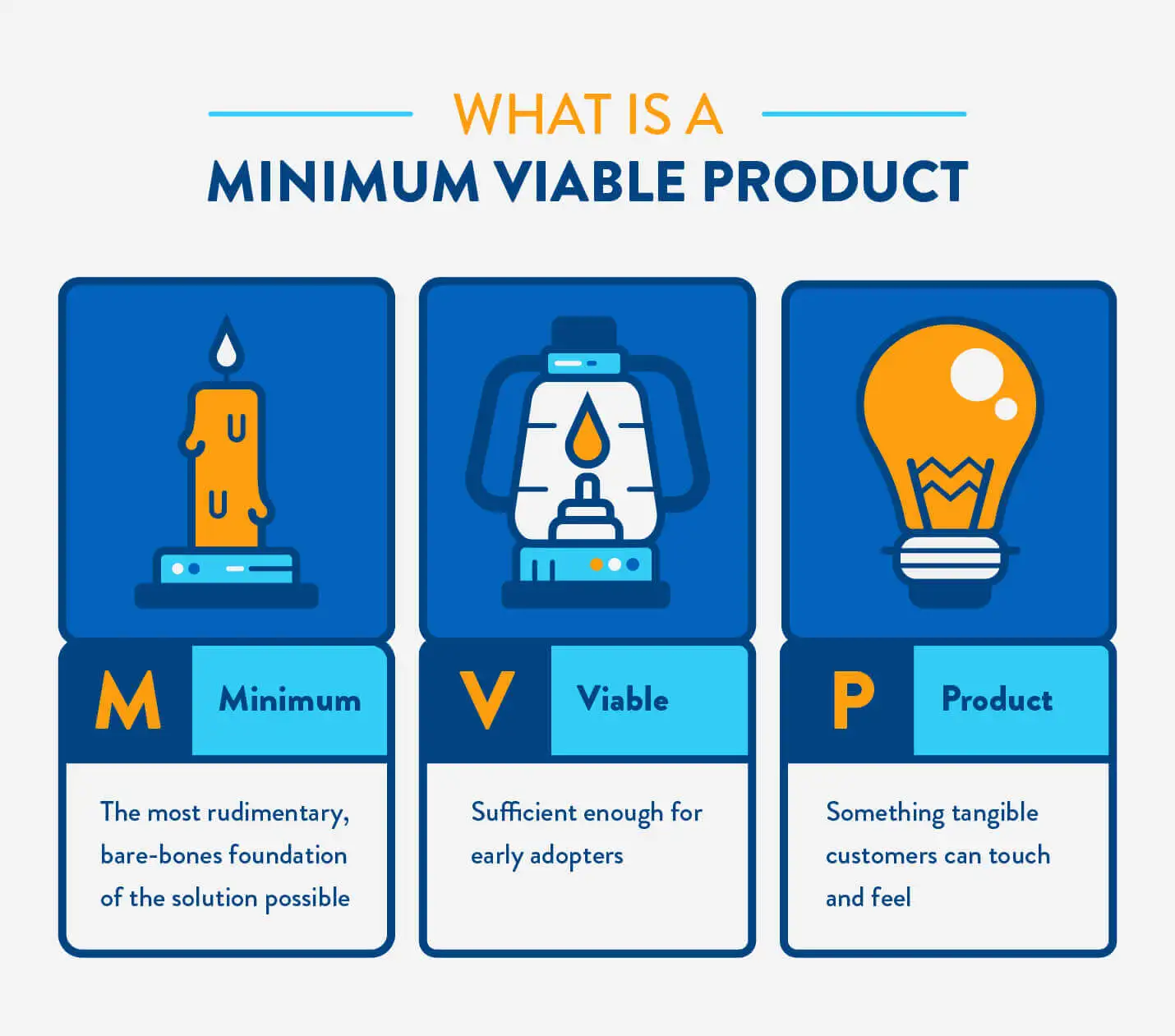
A Minimum Viable Product is the version of a new product that includes only the essential features necessary to meet the needs of its early users. The primary goal of an MVP is to gather feedback from real users to validate assumptions about the product. By releasing an MVP, you can quickly learn what works, what doesn’t, and how to refine your offering based on actual user experiences.
Why is an MVP Important in a SaaS Business?
-
Cost Efficiency: Launching an MVP requires fewer resources, allowing startups to avoid large upfront costs. Instead of building out a full suite of features, you focus on the essentials, meaning you spend less time and money.
-
User Feedback: The MVP model places a significant emphasis on customer feedback. Engaging with early adopters helps you understand their wants and needs, enabling you to tailor your product effectively.
-
Faster Time to Market: In fast-paced technology sectors, getting to market quickly can be a game-changer. By launching an MVP, you can start accumulating user data immediately instead of spending months developing a complete product.
-
Risk Reduction: Implementing an MVP reduces the risk associated with full product launches. If the MVP fails, you haven’t invested as heavily as you would have in a completed product.
-
Benchmarking Success: By focusing on key performance indicators (KPIs), you can use an MVP to measure the success of your product and make informed decisions regarding future features and enhancements.
How to Define Your SaaS MVP
Defining an MVP requires a strategic approach involving planning, research, and iterative cycles. Here’s a thorough breakdown of how to create your MVP:
1. Identify Your Target Audience
Understanding your target audience is the first and most critical step in defining an MVP. Consider the following:
- Demographics: What is the age group, profession, or geographical location of your potential users?
- Pain Points: What problems does your audience experience that your software can resolve?
- User Interviews: Conduct interviews and surveys to get direct feedback from potential users. This qualitative data will serve as a foundation for your MVP.
2. Conduct Market Research
After pinpointing your audience, it’s time to conduct thorough market research:
- Competitor Analysis: Analyze your competitors to see what features they offer. Identify gaps in their offerings that your product could fill.
- Trends and Insights: Use tools like Google Trends and social media to understand the latest trends in SaaS solutions.
3. Define Core Features
With a grasp on your audience and market, begin defining the core features of your MVP. Focus on the following:
- Must-Have Features: Identify the absolute essentials that solve your audience’s primary pain points. List these features down.
- User Stories: Write user stories to visualize how your target audience will interact with your product. This helps prioritize features based on user experience.
Example of User Stories:
- “As a project manager, I want to track my team’s productivity so that I can ensure deadlines are met.”
- “As a user, I want a simple dashboard so that I can navigate the software without needing any technical skills.”
4. Create a Prototype
Visualizing your software can significantly help in defining your MVP. Consider creating:
- Wireframes: Start with wireframes to outline the structural design of your software.
- Clickable Prototype: Use prototyping tools (like Figma or Adobe XD) to create a clickable version of your MVP. This enables potential users to interact with the basic features.

- Overcome negative thought patterns, reduce stress, and live a worry-free life
- Overthinking is the biggest cause of unhappiness
- Don't get stuck in a never-ending thought loop
- Stay present and keep your mind off things that don't matter, and never will
- Break free of your self-imposed mental prison
5. Collect Feedback
Once you have a prototype, gather user feedback through:
- Usability Testing: Conduct tests where users perform specific tasks using your prototype. Observe them and note pain points or confusion areas.
- Surveys and Feedback Forms: Send surveys to users to collect quantitative feedback about their experience and potential improvements.
6. Build the MVP
With feedback in hand, it’s time to start developing your MVP:
- Choose the Right Technology Stack: Select technologies that suit your product’s needs. This will affect everything from performance to scalability.
- Agile Development: Implement Agile methodologies like Scrum or Kanban, which allow for iterative development and quick adjustments based on user feedback.
7. Launch Your MVP
Preparation for launch involves several key actions:
- Marketing Strategy: Plan your go-to-market strategy. This should include social media marketing, content marketing, and other promotional tactics.
- Early User Onboarding: Ensure early adopters receive a smooth introduction to your product. Providing quality onboarding experiences keeps users engaged.
8. Measure and Learn
After launching, continuously measure your MVP’s performance:
- Track KPIs: Establish key performance indicators such as user engagement, customer satisfaction, and churn rate.
- Iterate Based on Feedback: Use the feedback you receive post-launch to improve your product. Prioritize new features based on user requests and behavior.
Common Pitfalls to Avoid
When defining and launching your MVP, be mindful of these common pitfalls:
1. Over-engineering
It’s easy to get carried away and add more features than necessary. Remember, your goal is to validate your product idea, not create a fully-fledged platform right away.
2. Ignoring User Feedback
After launch, consistently seek user feedback and closely monitor how users interact with your software. Failing to do so can lead you to miss essential insights for improvement.
3. Neglecting Marketing
An MVP is only as good as its visibility. Ensure you invest time in marketing efforts designed to attract the right audience.
4. Lacking a Scaling Strategy
From the start, have a plan for how you will scale your SaaS once your MVP gains traction. This planning often requires foresight in infrastructure and resource allocation.
Case Studies
1. Dropbox
Dropbox is a prime example of an MVP done right. The initial product launch didn’t include the full suite of features that the platform offers today. Instead, they built a simple file-sharing service and created a video explaining how it works. This attracted initial users and allowed the founders to gather useful feedback before enhancing the platform.
2. Airbnb
Before becoming a global giant, Airbnb started as a simple website that allowed users to list and book available rooms. The founders focused on addressing a clear need in the market — affordable lodging options — and used an MVP to test their idea. User feedback led to iterations that improved the platform significantly.
Final Thoughts
Defining a Minimum Viable Product in a SaaS business plan is not only a practical approach but a vital one that can save resources, time, and effort. By following the steps detailed above, you can strategically launch a product that meets market demands. Always remember to prioritize your users’ needs and be open to iterative improvements. Embrace feedback, and your MVP may just evolve into the next big SaaS success story!
By defining your MVP correctly, you’re not only paving the way for your product’s success but also establishing a solid foundation for your business’s growth in the competitive tech landscape.


