
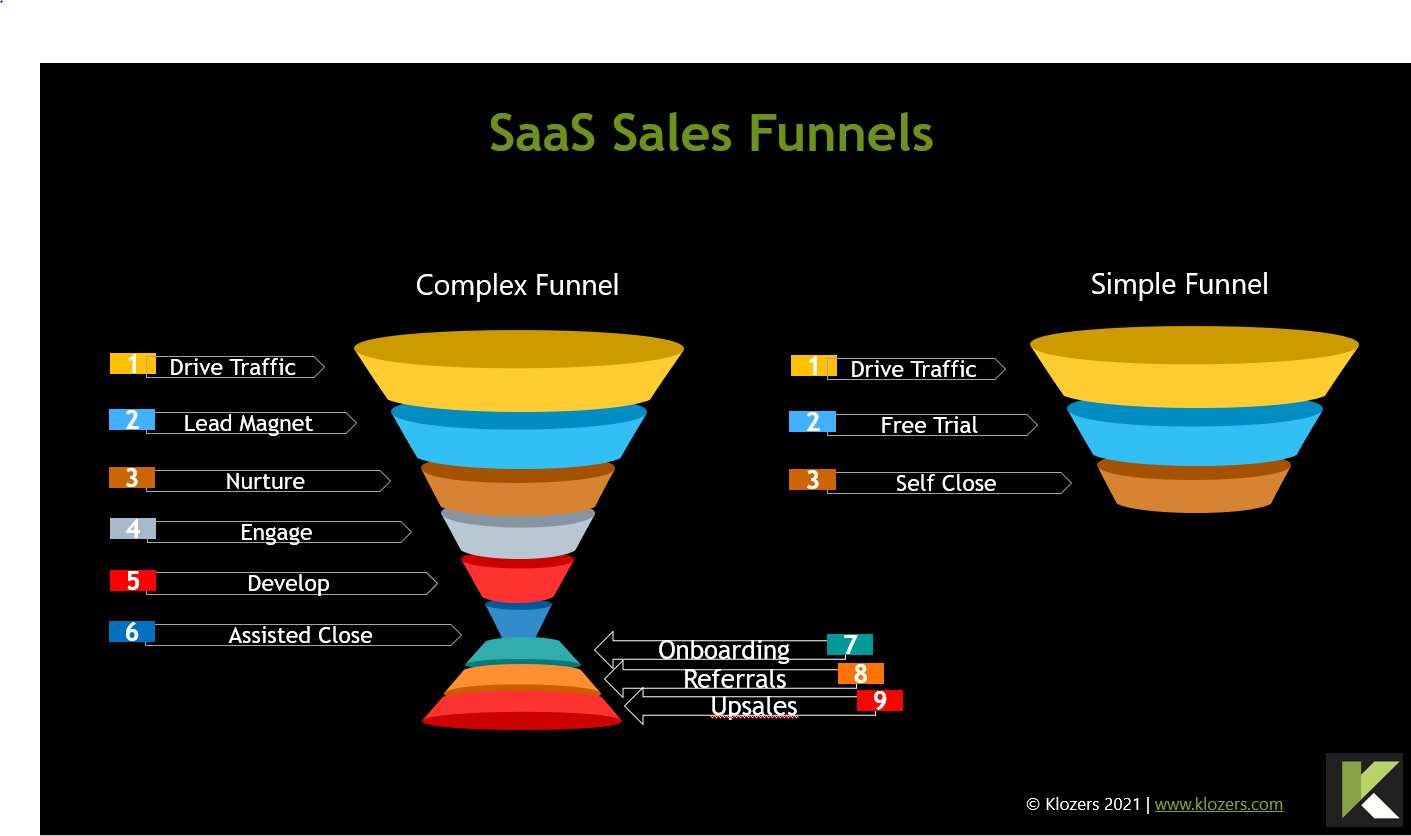
In the world of Software as a Service (SaaS) businesses, a well-structured sales funnel can make the difference between explosive growth and stagnation. Designing a sales funnel isn’t just about drawing a simple diagram of stages; it involves crafting an engaging journey that guides prospects from awareness to conversion and beyond. This comprehensive guide will help you design a scalable sales funnel for your SaaS business plan, maximizing customer acquisition and retention while setting the groundwork for sustainable growth.
Understanding the Sales Funnel
Before diving into the specifics of designing your sales funnel, let’s first define what a sales funnel is. At its core, a sales funnel is a model that represents the customer journey from the first interaction with your brand to the ultimate purchase decision.
The Stages of a Sales Funnel
-
Awareness: Potential customers become aware of your product or service through various channels, such as social media, SEO, advertising, and referrals.
-
Interest: Once aware, leads begin to show interest in your SaaS solution. They may visit your website, read blog posts, or sign up for newsletters.
-
Consideration: Interested leads start evaluating your service against competitors. They may request a demo, read reviews, or understand your unique value proposition.
-
Intent: At this stage, prospects indicate a strong intention to purchase, often adding items to a cart or requesting a trial.
-
Evaluation: Prospects compare options and assess pricing. This is a crucial stage where your sales team or marketing content can make a significant impact.
-
Purchase: The customer makes a purchasing decision and converts, turning from a lead into a paying customer.
-
Retention: After the purchase, the goal shifts to retaining the customer and encouraging repeat business. This involves providing excellent customer support, ongoing engagement, and upselling opportunities.
-
Advocacy: Satisfied customers become advocates for your brand, promoting it through word-of-mouth, social media, and reviews.
Crafting Your Sales Funnel: A Step-by-Step Approach
Step 1: Identify Your Target Audience
Understanding who your ideal customers are is foundational to designing any effective sales funnel. Utilize data analytics, customer surveys, and personas to identify key demographics, pain points, and desires.
-
Personas: Develop detailed profiles of your ideal clients, including their job titles, industry, and common challenges.
-
Data Analysis: Analyze existing customer data to understand which demographics convert best.
Step 2: Map Out the Customer Journey
Once you’ve identified your target audience, map out their journey. Consider the following elements:
-
Touchpoints: Identify where your audience interacts with your brand, be it through social media, webinars, or paid ads.
-
Content Needs: Understand what content your audience is seeking at each stage of their journey.
-
Pain Points: Acknowledge any challenges or objections your prospects may face during their evaluation process.
Step 3: Create Compelling Content for Each Stage
Your funnel should be equipped with engaging content tailored for each stage of the customer journey.
-
Awareness: Use blogs, infographics, and social posts to attract visitors. Focus on educating your audience about problems they face and how your SaaS solution addresses them.
-
Interest: Offer informative resources like eBooks, whitepapers, and webinars that dive deeper into your solutions or industry trends. Encourage email sign-ups to build your contact list.
-
Consideration: Provide case studies, comparison guides, and product demo videos to help prospects evaluate your offering. Host Q&A sessions to address concerns directly.
-
Intent: Create compelling calls-to-action (CTAs) for trials or consultations. Ensure your pricing page is clear, competitive, and highlights the value of your offerings.
-
Evaluation: Counter objections with testimonials, success stories, clear pricing strategies, and easy-to-access support channels.
-
Purchase: Simplify the purchase process with an intuitive interface and clear, concise messaging. Provide various payment options to cater to different customers’ preferences.
-
Retention: Post-purchase, invest in onboarding emails, user training resources, and regular check-ins. Deliver value consistently to prevent churn.
-
Advocacy: Encourage satisfied customers to refer others through incentives, and engage them in community forums or user groups.

- Overcome negative thought patterns, reduce stress, and live a worry-free life
- Overthinking is the biggest cause of unhappiness
- Don't get stuck in a never-ending thought loop
- Stay present and keep your mind off things that don't matter, and never will
- Break free of your self-imposed mental prison
Step 4: Utilize Marketing Automation
Incorporating marketing automation tools can significantly enhance the management of your sales funnel. Automate tasks such as email marketing, lead scoring, and CRM updates to ensure timely follow-ups and lead nurturing.
-
Email Triggers: Set up automated email sequences based on user behavior—ideal for re-engaging leads who drop off or providing onboarding content for new customers.
-
Lead Scoring: Use a scoring system to prioritize leads based on engagement levels, helping your sales team focus their efforts on the most promising prospects.
Step 5: Analyze and Optimize Performance
Building a sales funnel is an ongoing process that requires constant monitoring and optimization.
-
Key Performance Indicators (KPIs): Establish KPIs for each stage of the funnel, including conversion rates, cost per acquisition, and average deal size.
-
A/B Testing: Continuously test various elements of your funnel—from headlines and CTAs to email subject lines—to refine what works best for your audience.
-
Feedback Loop: Listen to customer feedback and make adjustments based on their suggestions and experiences.
Step 6: Scale with Confidence
As you refine and optimize your sales funnel, consider how you can scale.
-
Leverage Partnerships: Form strategic alliances with complementary SaaS products or services to tap into new customer bases.
-
Expand Marketing Channels: Explore new advertising platforms, social media channels, or referral programs to enhance your reach.
-
Segmentation: Tailor your funnel for different audience segments, ensuring ease of customization to meet diverse needs.
Conclusion
Designing a scalable sales funnel is crucial for any SaaS business aiming for sustainable growth. By understanding your target audience, mapping their journey, creating tailored content, leveraging marketing automation, analyzing performance, and planning for scalability, you can effectively guide prospects through the funnel—and convert them into loyal customers.
Implementing this structured approach will not only enhance your customer acquisition efforts but also foster lasting relationships, leading to a thriving SaaS business. Remember, a successful sales funnel evolves with the market and customer needs; stay agile, keep learning, and always be ready to adapt your strategy.


