
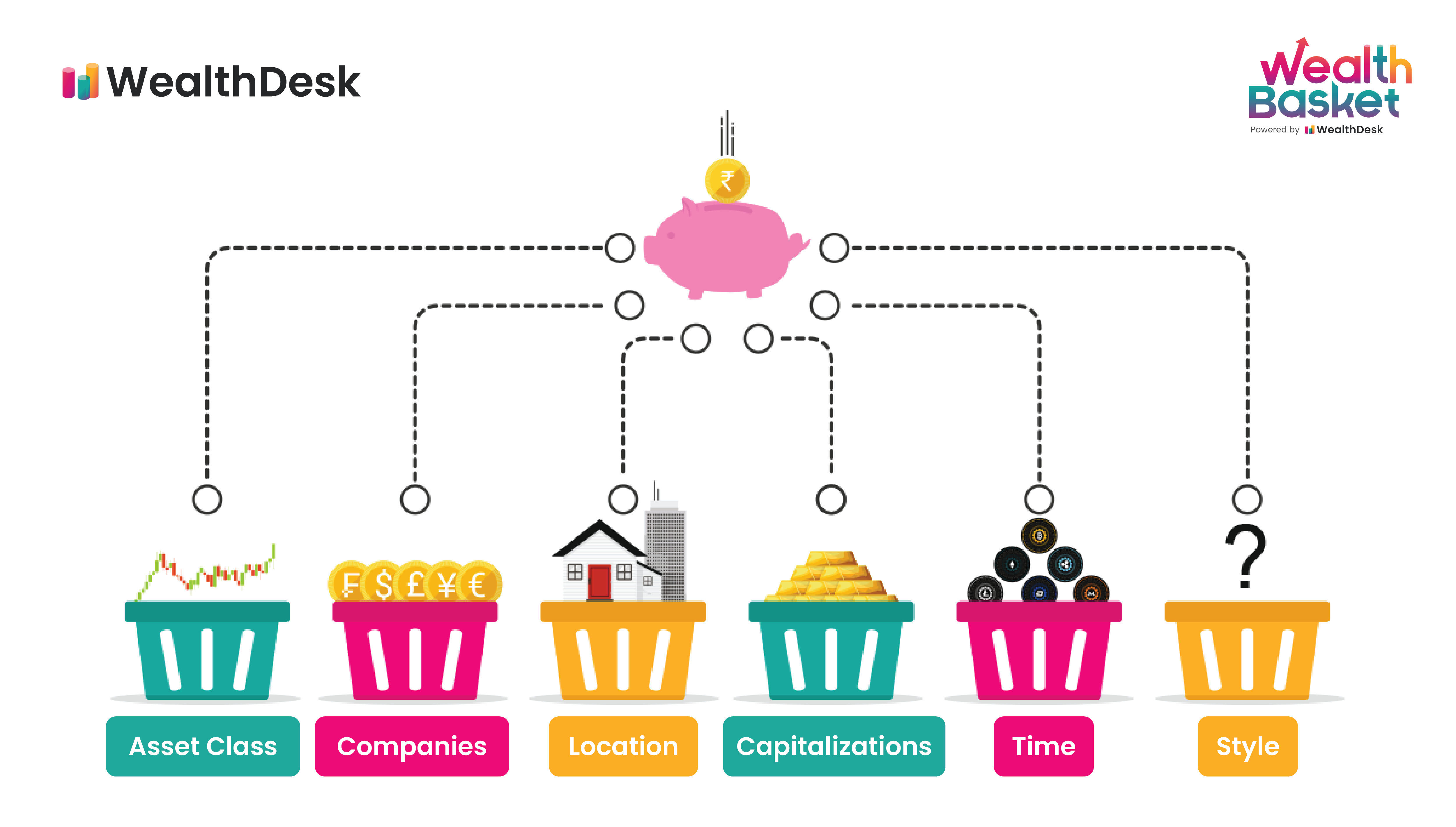
In the dynamic landscape of personal finance, the age-old adage “don’t put all your eggs in one basket” rings louder than ever, especially for those of us who are passionate about exploring the world. If you’re anything like me—a travel enthusiast with a passion for new cultures, cuisines, and adventures—you might wonder how to also secure your financial future, especially when you have a dedicated travel budget to maintain. The answer lies in diversification. In this article, we’ll explore how to diversify your investments effectively to reduce portfolio risk while keeping your travel dreams alive.
Understanding Investment Diversification
Before we dive into the nitty-gritty of diversification strategies, let’s clarify what it means. Investment diversification involves spreading your investments across various financial vehicles, assets, industries, and geographic locations to mitigate risk. The goal is simple: if one investment falters, others will ideally hold up, minimizing the impact on your overall portfolio.
As you plan your next trip to Bali, Paris, or the Grand Canyon, consider the journey of building a robust investment portfolio as an adventure in itself. Let’s begin our exploration.
Why Diversification Matters
When you invest in a single asset class—be it stocks, real estate, or commodities—you expose yourself to systemic risks. For instance, if you’re heavily invested in tech stocks and the market takes a downturn, your portfolio will likely suffer significantly. By diversifying, you cushion your investments against unforeseen market fluctuations.
Moreover, traveling often requires upfront investments—think flights, accommodations, and excursions. Diversification can help ensure you have the necessary funds for your next adventure, even during turbulent economic times. So, let’s arm you with strategies to level up your investment game, allowing you to travel with peace of mind!
Step 1: Assess Your Risk Tolerance
The first step in diversifying your investments involves understanding your risk tolerance. Are you a risk-taker, seeking high returns, or a cautious investor hesitant to face market volatilities? Your investment strategy should align with your comfort zone.
Tools to Measure Risk Tolerance
- Financial Assessment: Review your total assets, liabilities, income, and expenses to understand your financial standing.
- Risk Tolerance Questionnaires: Many investment platforms offer questionnaires to gauge your risk appetite.
- Consult Financial Advisors: Professional advisors can provide insights tailored to your financial circumstances and traveling aspirations.
Once you have a clear understanding of your risk tolerance, you can better identify which asset classes suit your investment style.
Step 2: Explore Asset Classes
A diversified portfolio typically includes a mix of stocks, bonds, real estate, and perhaps even alternative investments like cryptocurrencies or collectibles. Let’s dissect these options:
Stocks
Investing in a variety of stocks enables you to tap into different sectors such as technology, healthcare, finance, and consumer goods. Consider the following approaches for stock diversification:
- Index Funds and ETFs: Exchange-Traded Funds (ETFs) that track specific indexes (like the S&P 500) provide instant diversification across multiple stocks.
- Sector Diversity: Allocate your investments across sectors, ensuring you’re not overly reliant on one industry.
Bonds
Bonds can serve as a stabilizing force within your portfolio. They generally provide fixed returns, making them a safer option compared to stocks. Consider incorporating:
- Government Bonds: These are lower-risk as they are backed by the government.
- Corporate Bonds: Offering higher yields, corporate bonds come with added risks but can provide a good balance in an investment portfolio.
Real Estate
Real estate is not just a physical asset; it can provide rental income and serve as a hedge against inflation. Here are ways to include real estate in your investment strategy:
- REITs (Real Estate Investment Trusts): Investing in REITs allows you to participate in real estate markets without directly buying properties.
- Crowdfunding Platforms: Real estate crowdfunding platforms offer fractional ownership opportunities in larger properties, making it accessible for smaller investors.

- Overcome negative thought patterns, reduce stress, and live a worry-free life
- Overthinking is the biggest cause of unhappiness
- Don't get stuck in a never-ending thought loop
- Stay present and keep your mind off things that don't matter, and never will
- Break free of your self-imposed mental prison
Alternative Investments
Consider diversifying further with alternative investments like:
- Cryptocurrency: While volatile, cryptocurrency may be a small, well-researched addition if you’re comfortable with the risks.
- Collectibles: Items like vintage wine, rare coins, or art can act as unique investments, although they require special knowledge.
Step 3: Geographic Diversification
Just as you wouldn’t restrict your travels to one part of the world, don’t confine your investment geographically. By investing in international markets, you reduce exposure to domestic economic downturns.
How to Achieve Geographic Diversification
- Global ETFs or Mutual Funds: Consider funds that invest in emerging markets or developed economies outside your home country.
- Foreign Stocks: Directly purchase stocks in international companies, considering currency risk and foreign exchange rates.
Step 4: Timing and Rebalancing
Investment diversification isn’t a one-time task; it’s an ongoing journey. As a travel blogger, you understand the importance of planning. Similarly, your investment portfolio should undergo regular reviews.
Rebalancing Your Portfolio
- Set Target Allocations: Determine what percentage of your portfolio should be allocated to each asset class based on your risk tolerance.
- Periodically Review: At least once a year—or more frequently if market conditions change—review your portfolio and make adjustments.
- Buy Low, Sell High: When market trends cause one sector to dominate your portfolio, consider selling some assets to maintain balance and reinvesting in underrepresented sectors.
Step 5: Stay Informed
The world of investments can change as quickly as travel plans do. Staying informed about market trends and economic shifts is crucial for successfully diversifying your investments.
How to Stay Updated
- Follow Financial News: Subscribe to financial news websites and magazines to keep abreast of market and economic changes.
- Join Investment Clubs: Consider joining local or online investment groups to exchange insights and strategies with like-minded individuals.
- Utilize Financial Apps: Use apps designed to provide updates about your investments and financial markets, enabling you to make timely decisions.
Step 6: Embrace Technology
Today, technology offers numerous resources that can make investment diversification seamless. From online brokers to robo-advisors, you have options to suit your individual preferences.
Digital Investment Platforms
- Robo-Advisors: These automated services create and manage a diversified portfolio based on your risk tolerance and goals.
- Investment Apps: Many apps allow you to invest in stocks, bonds, and ETFs directly from your smartphone, making it easier to manage your investments on the go—perfect for travel enthusiasts!
Conclusion: Investing on the Go
As you plan your next globetrotting adventure, remember that creating a diversified investment portfolio is your ticket to reducing risk and ensuring financial stability. By incorporating various asset classes, considering geographic diversification, and staying informed, you can enjoy your travels while feeling confident in your financial strategy.
In a world that constantly changes, your portfolio needs to adapt just like your travel plans. With these strategies, not only will you reduce your investment risk, but you’ll also set the stage for many more adventures to come.
Now, don’t just dream about that trip to Tokyo or a weekend getaway to the Grand Canyon—take charge of your investments today and prepare for your future travels with confidence. Your next great adventure awaits!
By following each of these key strategies to diversify your investments, you empower yourself to reduce portfolio risk and build a stable financial foundation—one that allows for travel opportunities and unforgettable experiences without financial stress. Safe travels and prosperous investing!


