The Ultimate Guide to Dropshipping: How to Make Money Online Without Holding Any Inventory
Are you tired of traditional e-commerce models that require a significant upfront investment in inventory? Do you want to start an online business without breaking the bank? Look no further than dropshipping, a revolutionary sales model that allows you to sell products online without holding any inventory.
What is Dropshipping?
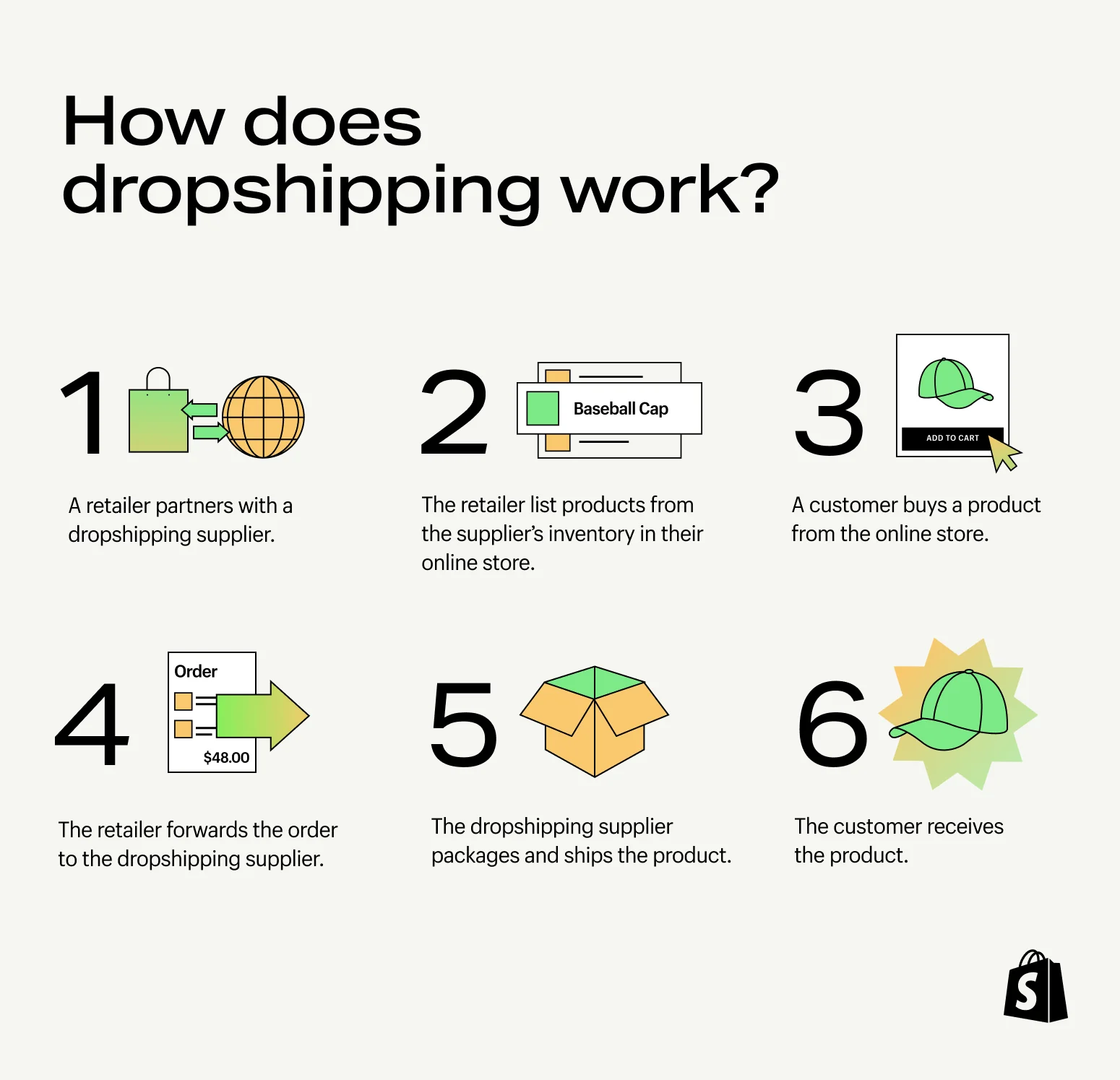
Dropshipping is a retail fulfillment method where you, as an online store owner, do not keep any products in stock. Instead, you partner with a supplier who ships products directly to your customers on your behalf. This means you don’t have to invest in inventory upfront, which makes it an ideal business model for those who want to start an online store without significant capital.
How Does Dropshipping Work?
Here’s a step-by-step guide to getting started with dropshipping:
- Find a Supplier: Research and partner with a reliable supplier who offers dropshipping services. Make sure they have a good reputation, competitive pricing, and high-quality products.
- Choose Your Products: Select a niche or product category that interests you and has demand in the market. Ensure the products are not too competitive or have a low profit margin.
- Set Up an Online Store: Create an online store using platforms like Shopify, WooCommerce, or BigCommerce. Make sure it’s user-friendly and has a secure payment gateway.
- Add Products to Your Store: Add the products you’ve chosen from your supplier to your online store. Set competitive prices and product descriptions that appeal to potential customers.
- Market And Promote Your Store: Use digital marketing strategies like social media, email marketing, and influencer marketing to promote your store and attract customers.
- Handle Customer Orders: When a customer places an order, contact your supplier and provide them with the necessary information to ship the product directly to the customer.
Pros of Dropshipping
Dropshipping has several advantages that make it an attractive business model:
- Low Upfront Costs: You don’t have to invest in inventory upfront, which makes it ideal for those who want to start a business without significant capital.
- No Inventory Management: Since you’re not holding any inventory, you don’t have to worry about storage, handling, and shipping products.
- Flexibility: Dropshipping allows you to sell a wide range of products without having to hold inventory, making it ideal for those who want to test different markets or niches.
Cons of Dropshipping
While dropshipping has its advantages, there are also some drawbacks:
- Lower Profit Margins: Since you’re not holding any inventory, your profit margins may be lower compared to traditional e-commerce models.
- Limited Control: You have limited control over the shipping process, which can lead to delays or issues with customer satisfaction.
- Quality Control: Since products are shipped directly from suppliers, it’s essential to ensure that they meet quality standards and comply with local regulations.
Dropshipping on Ebay
EBay is one of the most popular e-commerce platforms where you can sell products using dropshipping. Here’s how to do it:
- Create an Ebay Account: Sign up for an eBay account and choose a seller type (individual or business).
- Choose Your Products: Select products that have demand on eBay and partner with suppliers who offer dropshipping services.
- Set Competitive Prices: Price your products competitively, taking into account the cost of shipping from the supplier.
Dropshipping on Amazon
Amazon is another massive e-commerce platform where you can sell products using dropshipping. Here’s how to do it:
- Create an Amazon Seller Account: Sign up for an Amazon seller account and choose a plan (individual or professional).
- Choose Your Products: Select products that have demand on Amazon and partner with suppliers who offer dropshipping services.
- Comply With Amazon Policies: Ensure you comply with Amazon’s policies, including those related to shipping, packaging, and customer satisfaction.
Dropshipping Without Split Ivat
In Italy, there are some exceptions where you can do dropshipping without a split IVA (value-added tax). These include:
- Selling as a Private Individual: If you’re selling products online as an individual, you don’t need to register for a split IVA.
- Temporary Shop: You can open a temporary shop online for up to 30 days without registering for a split IVA.
Conclusion
Dropshipping is a revolutionary sales model that allows you to sell products online without holding any inventory. While it has its advantages and disadvantages, it’s an ideal business model for those who want to start an e-commerce venture without significant capital. By following the steps outlined in this guide, you can get started with dropshipping on platforms like eBay, Amazon, or Shopify.
Frequently Asked Questions (FAQs)
- Q: What is Dropshipping?
A: Dropshipping is a retail fulfillment method where you don’t hold any inventory and partner with suppliers who ship products directly to customers. - Q: How Does Dropshipping Work?
A: You find a supplier, choose your products, set up an online store, add products, market and promote your store, and handle customer orders. - Q: What Are The Pros of Dropshipping?
A: Low upfront costs, no inventory management, and flexibility are some advantages of dropshipping. - Q: What Are The Cons of Dropshipping?
A: Lower profit margins, limited control, and quality control issues are some disadvantages of dropshipping. - Q: Can I do Dropshipping Without a Split Ivat in Italy?
A: Yes, there are exceptions where you can do dropshipping without a split IVA, including selling as an individual or opening a temporary shop. - Q: What is The Best E-commerce Platform For Dropshipping?
A: The best e-commerce platform for dropshipping depends on your needs and preferences. EBay, Amazon, Shopify, and WooCommerce are popular options. - Q: How Can I Ensure Quality Control in Dropshipping?
A: Research suppliers thoroughly, read reviews from other customers, and inspect products before shipping them to customers.
Best Practices
- Research Suppliers Thoroughly: Ensure that your suppliers have a good reputation, competitive pricing, and high-quality products.
- Set Competitive Prices: Price your products competitively, taking into account the cost of shipping from the supplier.
- Comply With E-commerce Platform Policies: Ensure you comply with policies related to shipping, packaging, and customer satisfaction on platforms like eBay or Amazon.
- Handle Customer Orders Professionally: Respond promptly to customer inquiries, resolve issues quickly, and provide excellent customer service.
Recommended Resources
- Shopify Dropshipping Guide: A comprehensive guide to dropshipping on Shopify.
- Ebay Seller Center: A resource for eBay sellers that includes information on policies, fees, and best practices.
- Amazon Seller Central: A resource for Amazon sellers that includes information on policies, fees, and best practices.
- Dropshipping Forum: An online community where you can connect with other dropshippers, ask questions, and share experiences.
Disclaimer
The information provided in this guide is for educational purposes only. It’s essential to research and understand local laws and regulations related to e-commerce, taxes, and business operations before starting a dropshipping venture.